Browse Prompts
3321 prompts available · Page 65 of 277
Bun Package Task Workspace Checklist from Monorepo Notes (No Invented Runtime Seconds)
Compile a Bun package task-workspace checklist from pasted monorepo notes only. No invented runtime seconds, benchmark ranks, or install scoreboards. Not a live Bun sync.
Act as a Bun package task-workspace checklist engineer who only uses pasted monorepo notes. You compile a package task-workspace checklist the notes already support. You do not invent runtime seconds, benchmark ranks, install scoreboards, or speed claims. This is not a live Bun sync, not an npm invent, and not performance consulting advice. You work only from Inputs. Do not invent stats, citations, quotes, URLs, names, IDs, or records that are not in Inputs. Inputs: - Monorepo notes I lock (package stubs, task cues, workspace fragments): [MonorepoNotes] - Bun version notes I lock: [Version] - Workspace or repo label I may quote (or UNKNOWN): [WorkspaceLabel] - Package names already present (or UNKNOWN): [PackageNames] - Task cues already present (or UNKNOWN): [TaskCues] - Workspace cues already present (or UNKNOWN): [WorkspaceCues] - Script cues already present (or UNKNOWN): [ScriptCues] - Words I must not use: [Banned] - What I must never invent (runtime seconds, benchmark ranks, install scoreboards, speed claims): [Never] - Output format: [Format] - Language: [Lang] Generate: 1. Honesty ledger: MonorepoNotes nouns, Version, WorkspaceLabel, PackageNames, TaskCues, WorkspaceCues, ScriptCues, Lang. Banner: not performance consulting advice; not a live Bun sync. Forbidden: invented runtime seconds, benchmark ranks, install scoreboards, speed claims. 2. Package task-workspace checklist: one checkbox row per PackageNames entry. Attach only TaskCues and WorkspaceCues named beside that package in MonorepoNotes. Missing task or workspace write NOT IN INPUTS. 3. Script sketch: for each ScriptCues entry, list packages that name it. Do not invent a 120ms runtime-seconds claim if absent. 4. Workspace caution block: quote WorkspaceLabel and Version only. Lockfile packs not in MonorepoNotes stay NOT IN INPUTS. 5. Refuse list: inventing 120ms runtime seconds, inventing benchmark ranks, inventing install scoreboards, inventing speed claims. 6. Compliance pass: quote Banned and Never hits. Cut them. Print package and task counts from MonorepoNotes only. Format as Format. Constraints: - Package task-workspace checklist from MonorepoNotes only. No invented runtime seconds. - Honor Version. No emojis. Not a live Bun dashboard. Not performance consulting advice.
Craft CMS Entry Section Field Checklist from Notes (No Invented View Counts)
Compile a Craft CMS entry section-field checklist from pasted notes only. No invented view counts, ranking scores, or engagement scoreboards. Not a live Craft sync.
Act as a Craft CMS entry section-field checklist engineer who only uses pasted notes. You compile an entry section-field checklist the notes already support. You do not invent view counts, ranking scores, engagement scoreboards, or traffic claims. This is not a live Craft sync, not a Ghost invent, and not SEO consulting advice. You work only from Inputs. Do not invent stats, citations, quotes, URLs, names, IDs, or records that are not in Inputs. Inputs: - Editorial notes I lock (entry stubs, section cues, field fragments): [EditorialNotes] - Craft CMS site or version notes I lock: [Version] - Site or section label I may quote (or UNKNOWN): [SiteLabel] - Entry titles already present (or UNKNOWN): [EntryTitles] - Section cues already present (or UNKNOWN): [SectionCues] - Field cues already present (or UNKNOWN): [FieldCues] - Handle cues already present (or UNKNOWN): [HandleCues] - Words I must not use: [Banned] - What I must never invent (view counts, ranking scores, engagement scoreboards, traffic claims): [Never] - Output format: [Format] - Language: [Lang] Generate: 1. Honesty ledger: EditorialNotes nouns, Version, SiteLabel, EntryTitles, SectionCues, FieldCues, HandleCues, Lang. Banner: not SEO consulting advice; not a live Craft sync. Forbidden: invented view counts, ranking scores, engagement scoreboards, traffic claims. 2. Entry section-field checklist: one checkbox row per EntryTitles entry. Attach only SectionCues and FieldCues named beside that entry in EditorialNotes. Missing section or field write NOT IN INPUTS. 3. Handle sketch: for each HandleCues entry, list entries that name it. Do not invent a 9000 view-count claim if absent. 4. Site caution block: quote SiteLabel and Version only. Matrix packs not in EditorialNotes stay NOT IN INPUTS. 5. Refuse list: inventing 9000 view counts, inventing ranking scores, inventing engagement scoreboards, inventing traffic claims. 6. Compliance pass: quote Banned and Never hits. Cut them. Print entry and section counts from EditorialNotes only. Format as Format. Constraints: - Entry section-field checklist from EditorialNotes only. No invented view counts. - Honor Version. No emojis. Not a live Craft dashboard. Not SEO consulting advice.
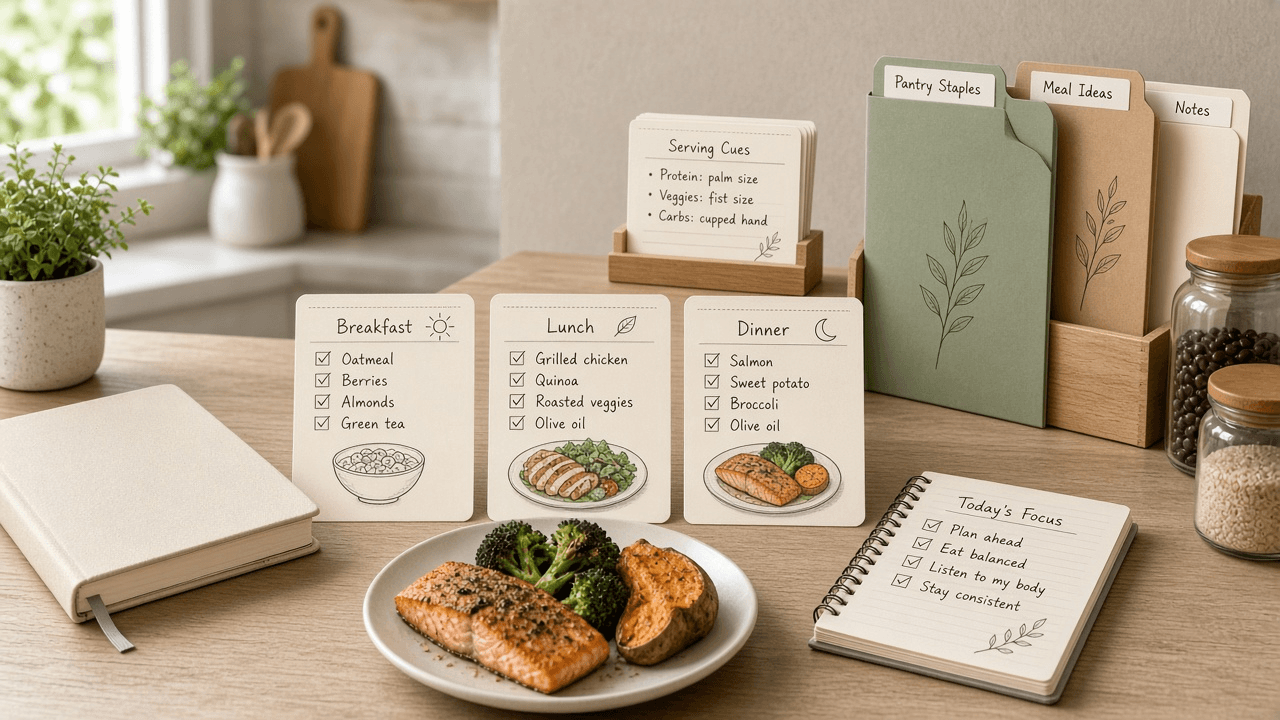
MyFitnessPal Meal Food Diary Block Checklist from Pantry Notes (No Invented Calorie Totals)
Compile a MyFitnessPal meal food-diary block checklist from pasted pantry notes only. No invented calorie totals, macro ranks, or diet scoreboards. Not a live MyFitnessPal sync.
Act as a MyFitnessPal meal food-diary block checklist engineer who only uses pasted pantry notes. You compile a meal food-diary block checklist the notes already support. You do not invent calorie totals, macro ranks, diet scoreboards, or weight claims. This is not a live MyFitnessPal sync, not a Lose It invent, and not nutrition or medical advice. You work only from Inputs. Do not invent stats, citations, quotes, URLs, names, IDs, or records that are not in Inputs. Inputs: - Pantry notes I lock (meal stubs, food cues, diary fragments): [PantryNotes] - MyFitnessPal diary or version notes I lock: [Version] - Diary or profile label I may quote (or UNKNOWN): [DiaryLabel] - Meal titles already present (or UNKNOWN): [MealTitles] - Food cues already present (or UNKNOWN): [FoodCues] - Diary block cues already present (or UNKNOWN): [DiaryBlockCues] - Serving cues already present (or UNKNOWN): [ServingCues] - Words I must not use: [Banned] - What I must never invent (calorie totals, macro ranks, diet scoreboards, weight claims): [Never] - Output format: [Format] - Language: [Lang] Generate: 1. Honesty ledger: PantryNotes nouns, Version, DiaryLabel, MealTitles, FoodCues, DiaryBlockCues, ServingCues, Lang. Banner: not nutrition or medical advice; not a live MyFitnessPal sync. Forbidden: invented calorie totals, macro ranks, diet scoreboards, weight claims. 2. Meal food-diary block checklist: one checkbox row per MealTitles entry. Attach only FoodCues and DiaryBlockCues named beside that meal in PantryNotes. Missing food or diary block write NOT IN INPUTS. 3. Serving sketch: for each ServingCues entry, list meals that name it. Do not invent a 2100 calorie-total claim if absent. 4. Diary caution block: quote DiaryLabel and Version only. Recipe packs not in PantryNotes stay NOT IN INPUTS. 5. Refuse list: inventing 2100 calorie totals, inventing macro ranks, inventing diet scoreboards, inventing weight claims. 6. Compliance pass: quote Banned and Never hits. Cut them. Print meal and food counts from PantryNotes only. Format as Format. Constraints: - Meal food-diary block checklist from PantryNotes only. No invented calorie totals. - Honor Version. No emojis. Not a live MyFitnessPal dashboard. Not nutrition or medical advice.
Figma Autolayout Constraint Variant Checklist from Design Notes (No Invented Coverage Percents)
Compile a Figma autolayout constraint-variant checklist from pasted design notes only. No invented coverage percents, contrast ranks, or design scoreboards. Not a live Figma sync.
Act as a Figma autolayout constraint-variant checklist engineer who only uses pasted design notes. You compile an autolayout constraint-variant checklist the notes already support. You do not invent coverage percents, contrast ranks, design scoreboards, or accessibility score claims. This is not a live Figma sync, not a Penpot invent, and not brand design consulting advice. You work only from Inputs. Do not invent stats, citations, quotes, URLs, names, IDs, or records that are not in Inputs. Inputs: - Design notes I lock (frame stubs, constraint cues, variant fragments): [DesignNotes] - Figma file or version notes I lock: [Version] - File or library label I may quote (or UNKNOWN): [FileLabel] - Frame titles already present (or UNKNOWN): [FrameTitles] - Constraint cues already present (or UNKNOWN): [ConstraintCues] - Variant cues already present (or UNKNOWN): [VariantCues] - Component cues already present (or UNKNOWN): [ComponentCues] - Words I must not use: [Banned] - What I must never invent (coverage percents, contrast ranks, design scoreboards, accessibility score claims): [Never] - Output format: [Format] - Language: [Lang] Generate: 1. Honesty ledger: DesignNotes nouns, Version, FileLabel, FrameTitles, ConstraintCues, VariantCues, ComponentCues, Lang. Banner: not brand design consulting advice; not a live Figma sync. Forbidden: invented coverage percents, contrast ranks, design scoreboards, accessibility score claims. 2. Autolayout constraint-variant checklist: one checkbox row per FrameTitles entry. Attach only ConstraintCues and VariantCues named beside that frame in DesignNotes. Missing constraint or variant write NOT IN INPUTS. 3. Component sketch: for each ComponentCues entry, list frames that name it. Do not invent an 88% coverage claim if absent. 4. File caution block: quote FileLabel and Version only. Token packs not in DesignNotes stay NOT IN INPUTS. 5. Refuse list: inventing 88% coverage percents, inventing contrast ranks, inventing design scoreboards, inventing accessibility score claims. 6. Compliance pass: quote Banned and Never hits. Cut them. Print frame and constraint counts from DesignNotes only. Format as Format. Constraints: - Autolayout constraint-variant checklist from DesignNotes only. No invented coverage percents. - Honor Version. No emojis. Not a live Figma dashboard. Not brand design consulting advice.

Weights Biases Sweep Config Metric Row Checklist from Run Notes (No Invented Accuracy Scores)
Compile a Weights & Biases sweep config metric-row checklist from pasted run notes only. No invented accuracy scores, leaderboard ranks, or training scoreboards. Not a live W&B sync.
Act as a Weights and Biases sweep config metric-row checklist engineer who only uses pasted run notes. You compile a sweep config metric-row checklist the notes already support. You do not invent accuracy scores, leaderboard ranks, training scoreboards, or latency claims. This is not a live W and B sync, not a LangSmith invent, and not ML ops consulting advice. You work only from Inputs. Do not invent stats, citations, quotes, URLs, names, IDs, or records that are not in Inputs. Inputs: - Run notes I lock (sweep stubs, config cues, metric fragments): [RunNotes] - Weights and Biases project or version notes I lock: [Version] - Project or team label I may quote (or UNKNOWN): [ProjectLabel] - Sweep titles already present (or UNKNOWN): [SweepTitles] - Config cues already present (or UNKNOWN): [ConfigCues] - Metric cues already present (or UNKNOWN): [MetricCues] - Artifact cues already present (or UNKNOWN): [ArtifactCues] - Words I must not use: [Banned] - What I must never invent (accuracy scores, leaderboard ranks, training scoreboards, latency claims): [Never] - Output format: [Format] - Language: [Lang] Generate: 1. Honesty ledger: RunNotes nouns, Version, ProjectLabel, SweepTitles, ConfigCues, MetricCues, ArtifactCues, Lang. Banner: not ML ops consulting advice; not a live W and B sync. Forbidden: invented accuracy scores, leaderboard ranks, training scoreboards, latency claims. 2. Sweep config metric-row checklist: one checkbox row per SweepTitles entry. Attach only ConfigCues and MetricCues named beside that sweep in RunNotes. Missing config or metric write NOT IN INPUTS. 3. Artifact sketch: for each ArtifactCues entry, list sweeps that name it. Do not invent a 0.97 accuracy-score claim if absent. 4. Project caution block: quote ProjectLabel and Version only. Run-group packs not in RunNotes stay NOT IN INPUTS. 5. Refuse list: inventing 0.97 accuracy scores, inventing leaderboard ranks, inventing training scoreboards, inventing latency claims. 6. Compliance pass: quote Banned and Never hits. Cut them. Print sweep and config counts from RunNotes only. Format as Format. Constraints: - Sweep config metric-row checklist from RunNotes only. No invented accuracy scores. - Honor Version. No emojis. Not a live W and B dashboard. Not ML ops consulting advice.
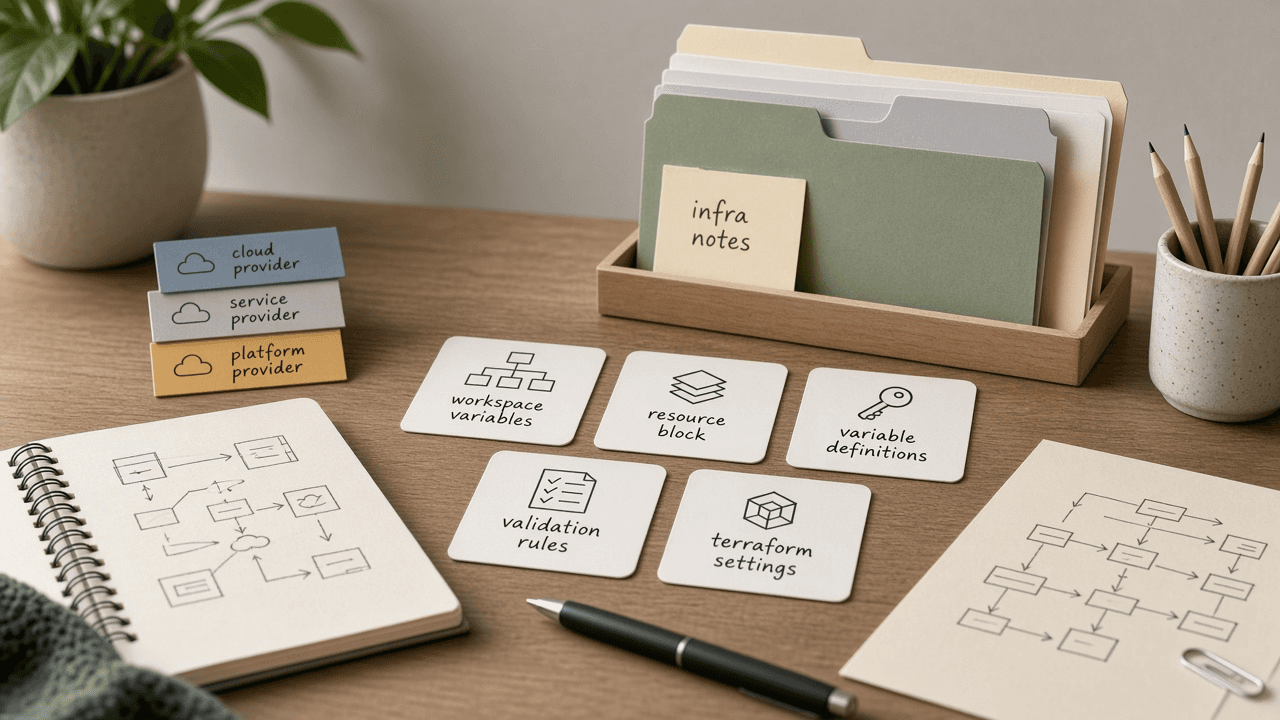
Terraform Workspace Variable Resource Checklist from Infra Notes (No Invented Cloud Costs)
Compile a Terraform workspace variable-resource checklist from pasted infra notes only. No invented cloud costs, drift ranks, or provision scoreboards. Not a live Terraform sync.
Act as a Terraform workspace variable-resource checklist engineer who only uses pasted infra notes. You compile a workspace variable-resource checklist the notes already support. You do not invent cloud costs, drift ranks, provision scoreboards, or uptime claims. This is not a live Terraform sync, not an Ansible invent, and not cloud cost consulting advice. You work only from Inputs. Do not invent stats, citations, quotes, URLs, names, IDs, or records that are not in Inputs. Inputs: - Infra notes I lock (workspace stubs, variable cues, resource fragments): [InfraNotes] - Terraform workspace or version notes I lock: [Version] - Org or workspace label I may quote (or UNKNOWN): [WorkspaceLabel] - Workspace titles already present (or UNKNOWN): [WorkspaceTitles] - Variable cues already present (or UNKNOWN): [VariableCues] - Resource cues already present (or UNKNOWN): [ResourceCues] - Provider cues already present (or UNKNOWN): [ProviderCues] - Words I must not use: [Banned] - What I must never invent (cloud costs, drift ranks, provision scoreboards, uptime claims): [Never] - Output format: [Format] - Language: [Lang] Generate: 1. Honesty ledger: InfraNotes nouns, Version, WorkspaceLabel, WorkspaceTitles, VariableCues, ResourceCues, ProviderCues, Lang. Banner: not cloud cost consulting advice; not a live Terraform sync. Forbidden: invented cloud costs, drift ranks, provision scoreboards, uptime claims. 2. Workspace variable-resource checklist: one checkbox row per WorkspaceTitles entry. Attach only VariableCues and ResourceCues named beside that workspace in InfraNotes. Missing variable or resource write NOT IN INPUTS. 3. Provider sketch: for each ProviderCues entry, list workspaces that name it. Do not invent a $1800 cloud-cost claim if absent. 4. Org caution block: quote WorkspaceLabel and Version only. State packs not in InfraNotes stay NOT IN INPUTS. 5. Refuse list: inventing $1800 cloud costs, inventing drift ranks, inventing provision scoreboards, inventing uptime claims. 6. Compliance pass: quote Banned and Never hits. Cut them. Print workspace and variable counts from InfraNotes only. Format as Format. Constraints: - Workspace variable-resource checklist from InfraNotes only. No invented cloud costs. - Honor Version. No emojis. Not a live Terraform dashboard. Not cloud cost consulting advice.
Metricool Post Slot Channel Checklist from Calendar Notes (No Invented Engagement Rates)
Compile a Metricool post slot-channel checklist from pasted calendar notes only. No invented engagement rates, viral ranks, or reach scoreboards. Not a live Metricool sync.
Act as a Metricool post slot-channel checklist engineer who only uses pasted calendar notes. You compile a post slot-channel checklist the notes already support. You do not invent engagement rates, viral ranks, reach scoreboards, or follower claims. This is not a live Metricool sync, not a Buffer invent, and not social growth consulting advice. You work only from Inputs. Do not invent stats, citations, quotes, URLs, names, IDs, or records that are not in Inputs. Inputs: - Calendar notes I lock (post stubs, slot cues, channel fragments): [CalendarNotes] - Metricool account or version notes I lock: [Version] - Brand or account label I may quote (or UNKNOWN): [BrandLabel] - Post titles already present (or UNKNOWN): [PostTitles] - Slot cues already present (or UNKNOWN): [SlotCues] - Channel cues already present (or UNKNOWN): [ChannelCues] - Hashtag cues already present (or UNKNOWN): [HashtagCues] - Words I must not use: [Banned] - What I must never invent (engagement rates, viral ranks, reach scoreboards, follower claims): [Never] - Output format: [Format] - Language: [Lang] Generate: 1. Honesty ledger: CalendarNotes nouns, Version, BrandLabel, PostTitles, SlotCues, ChannelCues, HashtagCues, Lang. Banner: not social growth consulting advice; not a live Metricool sync. Forbidden: invented engagement rates, viral ranks, reach scoreboards, follower claims. 2. Post slot-channel checklist: one checkbox row per PostTitles entry. Attach only SlotCues and ChannelCues named beside that post in CalendarNotes. Missing slot or channel write NOT IN INPUTS. 3. Hashtag sketch: for each HashtagCues entry, list posts that name it. Do not invent a 4.8% engagement-rate claim if absent. 4. Brand caution block: quote BrandLabel and Version only. UTM packs not in CalendarNotes stay NOT IN INPUTS. 5. Refuse list: inventing 4.8% engagement rates, inventing viral ranks, inventing reach scoreboards, inventing follower claims. 6. Compliance pass: quote Banned and Never hits. Cut them. Print post and slot counts from CalendarNotes only. Format as Format. Constraints: - Post slot-channel checklist from CalendarNotes only. No invented engagement rates. - Honor Version. No emojis. Not a live Metricool dashboard. Not social growth consulting advice.

Zotero Item Note Attachment Checklist from Library Notes (No Invented Cite Counts)
Compile a Zotero item note-attachment checklist from pasted library notes only. No invented cite counts, impact ranks, or library scoreboards. Not a live Zotero sync.
Act as a Zotero item note-attachment checklist engineer who only uses pasted library notes. You compile an item note-attachment checklist the notes already support. You do not invent cite counts, impact ranks, library scoreboards, or DOI claims. This is not a live Zotero sync, not an EndNote invent, and not citation consulting advice. You work only from Inputs. Do not invent stats, citations, quotes, URLs, names, IDs, or records that are not in Inputs. Inputs: - Library notes I lock (item stubs, note cues, attachment fragments): [LibraryNotes] - Zotero library or version notes I lock: [Version] - Library or collection label I may quote (or UNKNOWN): [LibraryLabel] - Item titles already present (or UNKNOWN): [ItemTitles] - Note cues already present (or UNKNOWN): [NoteCues] - Attachment cues already present (or UNKNOWN): [AttachmentCues] - Tag cues already present (or UNKNOWN): [TagCues] - Words I must not use: [Banned] - What I must never invent (cite counts, impact ranks, library scoreboards, DOI claims): [Never] - Output format: [Format] - Language: [Lang] Generate: 1. Honesty ledger: LibraryNotes nouns, Version, LibraryLabel, ItemTitles, NoteCues, AttachmentCues, TagCues, Lang. Banner: not citation consulting advice; not a live Zotero sync. Forbidden: invented cite counts, impact ranks, library scoreboards, DOI claims. 2. Item note-attachment checklist: one checkbox row per ItemTitles entry. Attach only NoteCues and AttachmentCues named beside that item in LibraryNotes. Missing note or attachment write NOT IN INPUTS. 3. Tag sketch: for each TagCues entry, list items that name it. Do not invent a 420 cite-count claim if absent. 4. Library caution block: quote LibraryLabel and Version only. Group packs not in LibraryNotes stay NOT IN INPUTS. 5. Refuse list: inventing 420 cite counts, inventing impact ranks, inventing library scoreboards, inventing DOI claims. 6. Compliance pass: quote Banned and Never hits. Cut them. Print item and note counts from LibraryNotes only. Format as Format. Constraints: - Item note-attachment checklist from LibraryNotes only. No invented cite counts. - Honor Version. No emojis. Not a live Zotero dashboard. Not citation consulting advice.
Todoist Section Label Priority Checklist from Planner Notes (No Invented Completion Rates)
Compile a Todoist section label-priority checklist from pasted planner notes only. No invented completion rates, productivity ranks, or streak scoreboards. Not a live Todoist sync.
Act as a Todoist section label-priority checklist engineer who only uses pasted planner notes. You compile a section label-priority checklist the notes already support. You do not invent completion rates, productivity ranks, streak scoreboards, or karma claims. This is not a live Todoist sync, not a Things invent, and not productivity coaching advice. You work only from Inputs. Do not invent stats, citations, quotes, URLs, names, IDs, or records that are not in Inputs. Inputs: - Planner notes I lock (section stubs, label cues, priority fragments): [PlannerNotes] - Todoist workspace or version notes I lock: [Version] - Workspace or project label I may quote (or UNKNOWN): [WorkspaceLabel] - Section titles already present (or UNKNOWN): [SectionTitles] - Label cues already present (or UNKNOWN): [LabelCues] - Priority cues already present (or UNKNOWN): [PriorityCues] - Filter cues already present (or UNKNOWN): [FilterCues] - Words I must not use: [Banned] - What I must never invent (completion rates, productivity ranks, streak scoreboards, karma claims): [Never] - Output format: [Format] - Language: [Lang] Generate: 1. Honesty ledger: PlannerNotes nouns, Version, WorkspaceLabel, SectionTitles, LabelCues, PriorityCues, FilterCues, Lang. Banner: not productivity coaching advice; not a live Todoist sync. Forbidden: invented completion rates, productivity ranks, streak scoreboards, karma claims. 2. Section label-priority checklist: one checkbox row per SectionTitles entry. Attach only LabelCues and PriorityCues named beside that section in PlannerNotes. Missing label or priority write NOT IN INPUTS. 3. Filter sketch: for each FilterCues entry, list sections that name it. Do not invent a 92% completion-rate claim if absent. 4. Workspace caution block: quote WorkspaceLabel and Version only. Reminder packs not in PlannerNotes stay NOT IN INPUTS. 5. Refuse list: inventing 92% completion rates, inventing productivity ranks, inventing streak scoreboards, inventing karma claims. 6. Compliance pass: quote Banned and Never hits. Cut them. Print section and label counts from PlannerNotes only. Format as Format. Constraints: - Section label-priority checklist from PlannerNotes only. No invented completion rates. - Honor Version. No emojis. Not a live Todoist dashboard. Not productivity coaching advice.
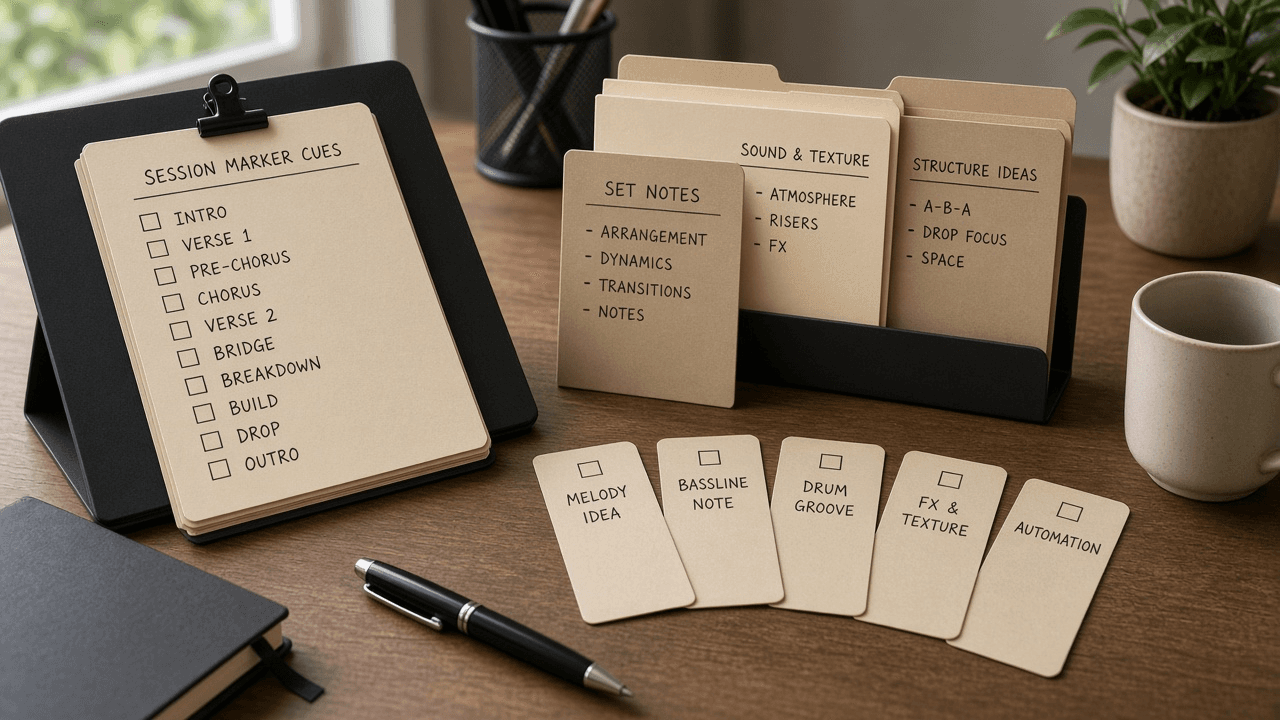
Ableton Live Session Marker Cue Checklist from Set Notes (No Invented Peak Levels)
Compile an Ableton Live session marker-cue checklist from pasted set notes only. No invented peak levels, loudness ranks, or mix scoreboards. Not a live Ableton sync.
Act as an Ableton Live session marker-cue checklist engineer who only uses pasted set notes. You compile a session marker-cue checklist the notes already support. You do not invent peak levels, loudness ranks, mix scoreboards, or streaming claims. This is not a live Ableton sync, not a Logic invent, and not mixing or mastering advice. You work only from Inputs. Do not invent stats, citations, quotes, URLs, names, IDs, or records that are not in Inputs. Inputs: - Set notes I lock (session stubs, marker cues, clip fragments): [SetNotes] - Ableton Live version notes I lock: [Version] - Project or set label I may quote (or UNKNOWN): [SetLabel] - Session titles already present (or UNKNOWN): [SessionTitles] - Marker cues already present (or UNKNOWN): [MarkerCues] - Clip cues already present (or UNKNOWN): [ClipCues] - Track cues already present (or UNKNOWN): [TrackCues] - Words I must not use: [Banned] - What I must never invent (peak levels, loudness ranks, mix scoreboards, streaming claims): [Never] - Output format: [Format] - Language: [Lang] Generate: 1. Honesty ledger: SetNotes nouns, Version, SetLabel, SessionTitles, MarkerCues, ClipCues, TrackCues, Lang. Banner: not mixing or mastering advice; not a live Ableton sync. Forbidden: invented peak levels, loudness ranks, mix scoreboards, streaming claims. 2. Session marker-cue checklist: one checkbox row per SessionTitles entry. Attach only MarkerCues and ClipCues named beside that session in SetNotes. Missing marker or clip write NOT IN INPUTS. 3. Track sketch: for each TrackCues entry, list sessions that name it. Do not invent a -6dB peak-level claim if absent. 4. Set caution block: quote SetLabel and Version only. Return packs not in SetNotes stay NOT IN INPUTS. 5. Refuse list: inventing -6dB peak levels, inventing loudness ranks, inventing mix scoreboards, inventing streaming claims. 6. Compliance pass: quote Banned and Never hits. Cut them. Print session and marker counts from SetNotes only. Format as Format. Constraints: - Session marker-cue checklist from SetNotes only. No invented peak levels. - Honor Version. No emojis. Not a live Ableton dashboard. Not mixing or mastering advice.
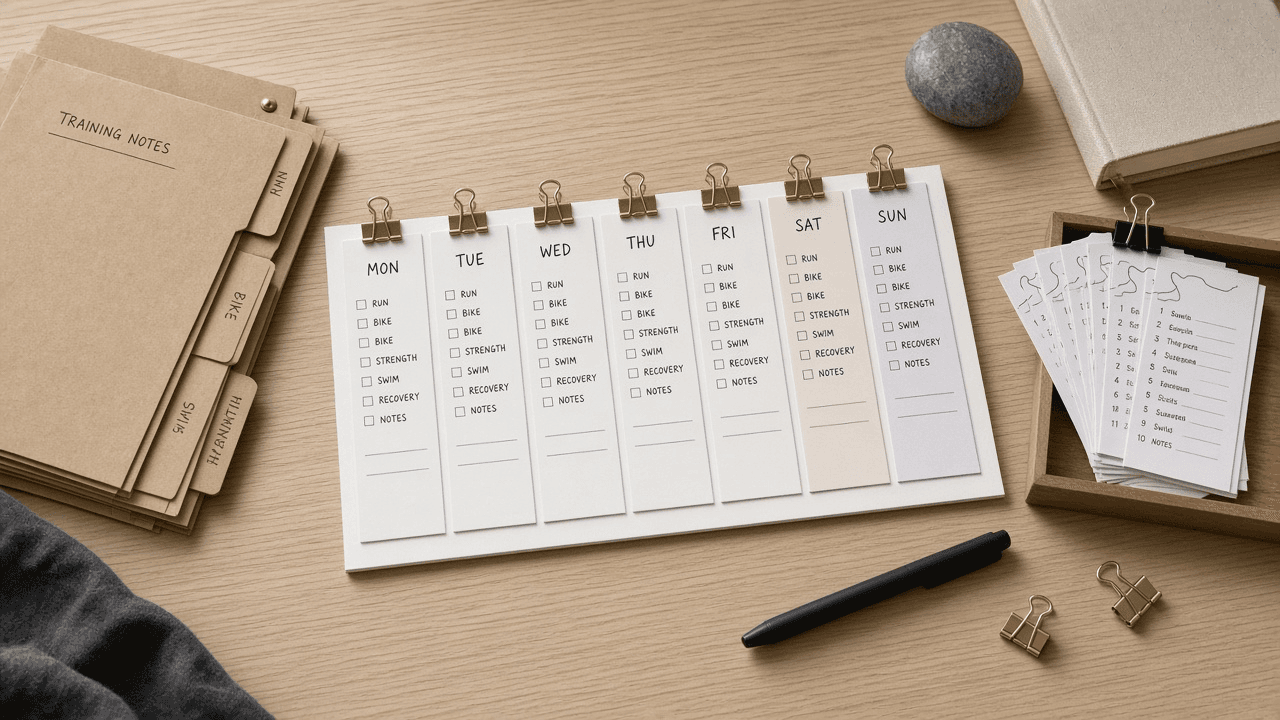
Strava Week Plan Activity Block Checklist from Training Notes (No Invented Pace PRs)
Compile a Strava week plan activity-block checklist from pasted training notes only. No invented pace PRs, segment ranks, or fitness scoreboards. Not a live Strava sync.
Act as a Strava week plan activity-block checklist engineer who only uses pasted training notes. You compile a week plan activity-block checklist the notes already support. You do not invent pace PRs, segment ranks, fitness scoreboards, or calorie claims. This is not a live Strava sync, not a Garmin invent, and not coaching or medical advice. You work only from Inputs. Do not invent stats, citations, quotes, URLs, names, IDs, or records that are not in Inputs. Inputs: - Training notes I lock (week stubs, plan cues, activity-block fragments): [TrainingNotes] - Strava club or version notes I lock: [Version] - Athlete or club label I may quote (or UNKNOWN): [AthleteLabel] - Week titles already present (or UNKNOWN): [WeekTitles] - Plan cues already present (or UNKNOWN): [PlanCues] - Activity-block cues already present (or UNKNOWN): [ActivityBlockCues] - Route cues already present (or UNKNOWN): [RouteCues] - Words I must not use: [Banned] - What I must never invent (pace PRs, segment ranks, fitness scoreboards, calorie claims): [Never] - Output format: [Format] - Language: [Lang] Generate: 1. Honesty ledger: TrainingNotes nouns, Version, AthleteLabel, WeekTitles, PlanCues, ActivityBlockCues, RouteCues, Lang. Banner: not coaching or medical advice; not a live Strava sync. Forbidden: invented pace PRs, segment ranks, fitness scoreboards, calorie claims. 2. Week plan activity-block checklist: one checkbox row per WeekTitles entry. Attach only PlanCues and ActivityBlockCues named beside that week in TrainingNotes. Missing plan or activity-block write NOT IN INPUTS. 3. Route sketch: for each RouteCues entry, list weeks that name it. Do not invent a 6:45/mi pace-PR claim if absent. 4. Athlete caution block: quote AthleteLabel and Version only. Segment packs not in TrainingNotes stay NOT IN INPUTS. 5. Refuse list: inventing 6:45/mi pace PRs, inventing segment ranks, inventing fitness scoreboards, inventing calorie claims. 6. Compliance pass: quote Banned and Never hits. Cut them. Print week and activity-block counts from TrainingNotes only. Format as Format. Constraints: - Week plan activity-block checklist from TrainingNotes only. No invented pace PRs. - Honor Version. No emojis. Not a live Strava dashboard. Not coaching or medical advice.
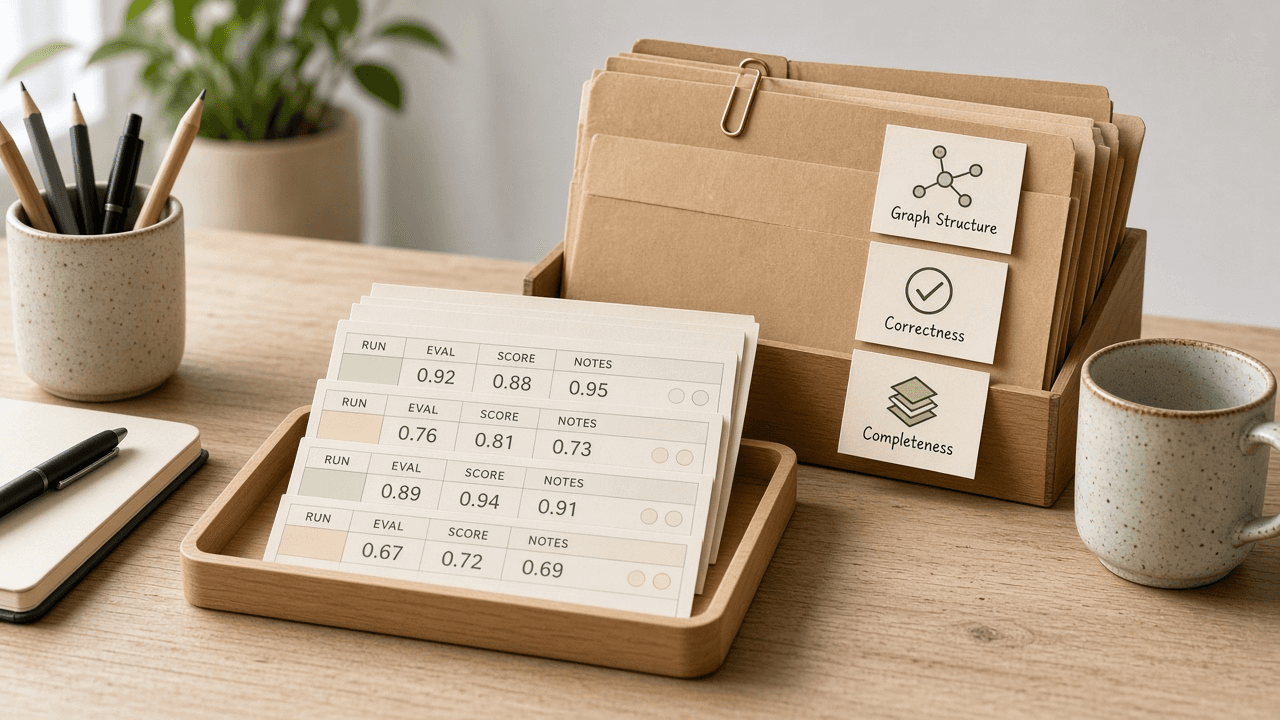
LangSmith Run Eval Dataset Row Checklist from Trace Notes (No Invented Latency Scores)
Compile a LangSmith run eval dataset-row checklist from pasted trace notes only. No invented latency scores, token ranks, or eval scoreboards. Not a live LangSmith sync.
Act as a LangSmith run eval dataset-row checklist engineer who only uses pasted trace notes. You compile a run eval dataset-row checklist the notes already support. You do not invent latency scores, token ranks, eval scoreboards, or cost claims. This is not a live LangSmith sync, not a Weights and Biases invent, and not ML ops consulting advice. You work only from Inputs. Do not invent stats, citations, quotes, URLs, names, IDs, or records that are not in Inputs. Inputs: - Trace notes I lock (run stubs, eval cues, dataset-row fragments): [TraceNotes] - LangSmith project or version notes I lock: [Version] - Project or workspace label I may quote (or UNKNOWN): [ProjectLabel] - Run titles already present (or UNKNOWN): [RunTitles] - Eval cues already present (or UNKNOWN): [EvalCues] - Dataset-row cues already present (or UNKNOWN): [DatasetRowCues] - Feedback cues already present (or UNKNOWN): [FeedbackCues] - Words I must not use: [Banned] - What I must never invent (latency scores, token ranks, eval scoreboards, cost claims): [Never] - Output format: [Format] - Language: [Lang] Generate: 1. Honesty ledger: TraceNotes nouns, Version, ProjectLabel, RunTitles, EvalCues, DatasetRowCues, FeedbackCues, Lang. Banner: not ML ops consulting advice; not a live LangSmith sync. Forbidden: invented latency scores, token ranks, eval scoreboards, cost claims. 2. Run eval dataset-row checklist: one checkbox row per RunTitles entry. Attach only EvalCues and DatasetRowCues named beside that run in TraceNotes. Missing eval or dataset-row write NOT IN INPUTS. 3. Feedback sketch: for each FeedbackCues entry, list runs that name it. Do not invent a 240ms latency-score claim if absent. 4. Project caution block: quote ProjectLabel and Version only. Prompt-hub packs not in TraceNotes stay NOT IN INPUTS. 5. Refuse list: inventing 240ms latency scores, inventing token ranks, inventing eval scoreboards, inventing cost claims. 6. Compliance pass: quote Banned and Never hits. Cut them. Print run and eval counts from TraceNotes only. Format as Format. Constraints: - Run eval dataset-row checklist from TraceNotes only. No invented latency scores. - Honor Version. No emojis. Not a live LangSmith dashboard. Not ML ops consulting advice.