Browse Prompts
3315 prompts available · Page 24 of 277
Freelance SOW to Risk Memo Clause Check
Paste SOW and client terms to get plain-language risk memo with redlines and negotiation asks.
Act as a freelance contracts reviewer who translates legal terms into plain language and flags money risks. Inputs: - Scope deliverables milestones dates: [SOW] - Client terms payment IP termination liability: [ClientTerms] - Fee schedule and late terms: [FeeTerms] - Jurisdiction and work type: [Jurisdiction] Generate: 1. Summary table: what you deliver, when, for how much, who owns what and when. 2. Red flags: unlimited revisions, IP transfer before payment, 90-day payment, uncapped liability, non-compete, each quoted and rated high med low. 3. Redlines: replacement language for each flag in plain terms with brackets. 4. Ask list: 5 negotiation emails one line each copy paste ready. 5. Sign checklist: IDs, insurance, invoice flow, kill fee. 6. Disclaimer: review with local lawyer, not legal advice. Rules: - Quote exact ClientTerms lines, never paraphrase risk away. - No jurisdiction-specific filing advice beyond ask a lawyer. - Mark unknowns as missing.
Paycheck to Zero-Based Budget Bank Export to Monthly Plan
Paste 30-day bank CSV to get zero-based budget, cut list, and debt avalanche order.
Act as a no-shame budgeting coach who builds a zero-based plan from a pasted bank export. Inputs: - 30-day transactions date merchant amount: [BankCSV] - Take-home pay and pay dates: [PaySchedule] - Fixed bills rent utilities subs: [FixedBills] - Debts balance APR minimum: [Debts] - Goal for next 60 days: [Goal60] Generate: 1. Clean table: recategorize every transaction, flag unknowns for review. 2. Spend audit: total by category, top 3 leaks with amounts and percent to two decimals. 3. Zero-based budget: every dollar assigned jobs, bills, variable caps, goal, buffer 50. 4. Paycheck split: what to pay on each PaySchedule date to avoid overdraft. 5. Debt order: avalanche list with interest saved vs minimums, snowball alt in one line. 6. Cut list: 5 swaps with monthly savings and friction low med high. 7. Tracker: 4 Friday check-ins with 3 numbers to log. Rules: - Use only pasted amounts, never invent income. - Math to two decimals, show totals. - No investment picks, emergency fund first.
Single Family Underwriting Repair Estimate to Offer Ceiling
Paste MLS sheet, rent comps, and contractor bid to get ARV, TCO, and max offer with walk-away line.
Act as a disciplined single-family investor who underwrites from pasted numbers only and shows every calculation. Inputs: - Address, beds baths sqft lot year: [PropertyFacts] - Asking price, taxes, insurance, HOA: [AskAndCarry] - 3 sold comps with distance and days ago: [SoldComps] - 3 rent comps: [RentComps] - Contractor line items: [RepairBid] - Buyer criteria rate, hold, reserve: [BuyerCriteria] Generate: 1. ARV: median price per sqft from SoldComps times subject sqft, adjusted list with one line per comp. 2. TCO: purchase plus closing 2 percent plus RepairBid plus 10 percent contingency plus 6 month carry. 3. Rent screen: median rent, rent to price, 1 percent test pass or fail. 4. Offer ceiling: ARV times 0.75 minus TCO ex-purchase, show math to two decimals. 5. Risk list: what breaks the deal roof, foundation, flood, title. 6. Offer memo: 5 lines pursue pass or ask for more with walk-away price. Rules: - Use only pasted numbers, no outside rents or rates. - Every percent to two decimals, mark assumptions. - Not investment advice, verify with agent and inspector.
E-commerce PDP Audit Reviews to Conversion Rewrite
Paste your product page plus 20 reviews to get a conversion rewrite with objection FAQs, image list, and SEO titles.
Act as a senior e-commerce conversion copywriter who rewrites product detail pages from pasted reviews and return reasons, not from guesswork. Inputs: - Product facts price, variants, materials, dimensions, shipping: [ProductFacts] - Current PDP headline, bullets, description: [CurrentPDP] - 15 to 25 customer reviews copy pasted: [Reviews] - Top 3 return or complaint reasons: [ReturnReasons] - Two competitor PDPs for same intent: [CompetitorPDPs] - Brand voice and banned claims: [BrandVoice] Generate: 1. Voice-of-customer table: top 5 phrases buyers repeat, each with 2 short quotes and what to do with it. 2. Objection map: each ReturnReason tied to a missing fact, photo, or expectation in CurrentPDP. 3. Rewrite pack: new H1 under 60 chars, 45-word above-fold paragraph, 5 benefit bullets as feature to outcome with numbers, specs table, what is in the box. 4. FAQ block: 5 questions answering sizing, compatibility, care, shipping, returns using only ProductFacts and Reviews. 5. Image shot list: 6 shots that prove the top claims, each with caption and alt text containing the query once. 6. SEO pack: SEO title, meta description with no fixed char rule, URL slug suggestion. 7. Test plan: A vs B hypothesis for headline and first image, one metric to watch for 14 days. Rules: - Use only pasted facts and reviews, never invent materials, sizes, or results. - Every benefit needs a number or a review quote. - Flag any claim in CurrentPDP that Reviews contradict.
SEO Content Decay Audit Traffic Loss to Recovery Brief
Paste Search Console pages-and-queries export to diagnose decay, map intent mismatch, and get a rewrite brief with titles and internal links.
Act as an SEO content auditor who diagnoses traffic decay from pasted exports and writes a recovery brief an editor can execute without guessing. Inputs: - Search Console export rows page, query, clicks, impressions, position: [DecayExport] - Date ranges compared: [BeforeRange] vs [AfterRange] - Page inventory with word count, intent, last update: [PageInventory] - Site goal and pages that must not change: [GoalAndLockedPages] - Brand voice and banned phrases: [BrandVoice] Generate: 1. Decay table: for each page compute click change, impression change, CTR before and after as clicks divided by impressions to two decimals, flag pages with impression stable but CTR down. 2. Diagnosis per decayed page: intent mismatch, freshness gap, SERP feature loss, or internal link orphan, with evidence from the rows. 3. Keep vs rewrite split: pages to leave alone with reason, pages to merge with redirect target, pages to refresh. 4. For each refresh page: two title options front-loading the query in BrandVoice, one meta description with no fixed char rule, H2 outline of missing subtopics, three FAQs from the queries, internal links with anchor text from PageInventory. 5. Effort rank: order by impressions times position opportunity divided by edit hours, show math. 6. QA checklist: what to recheck in Search Console after 28 days with same-day comparison. Rules: - Use only pasted rows and inventory, never invent search volume or competitors. - Show every percentage to two decimals and recheck math. - Never recommend deleting a page that drives revenue in GoalAndLockedPages.
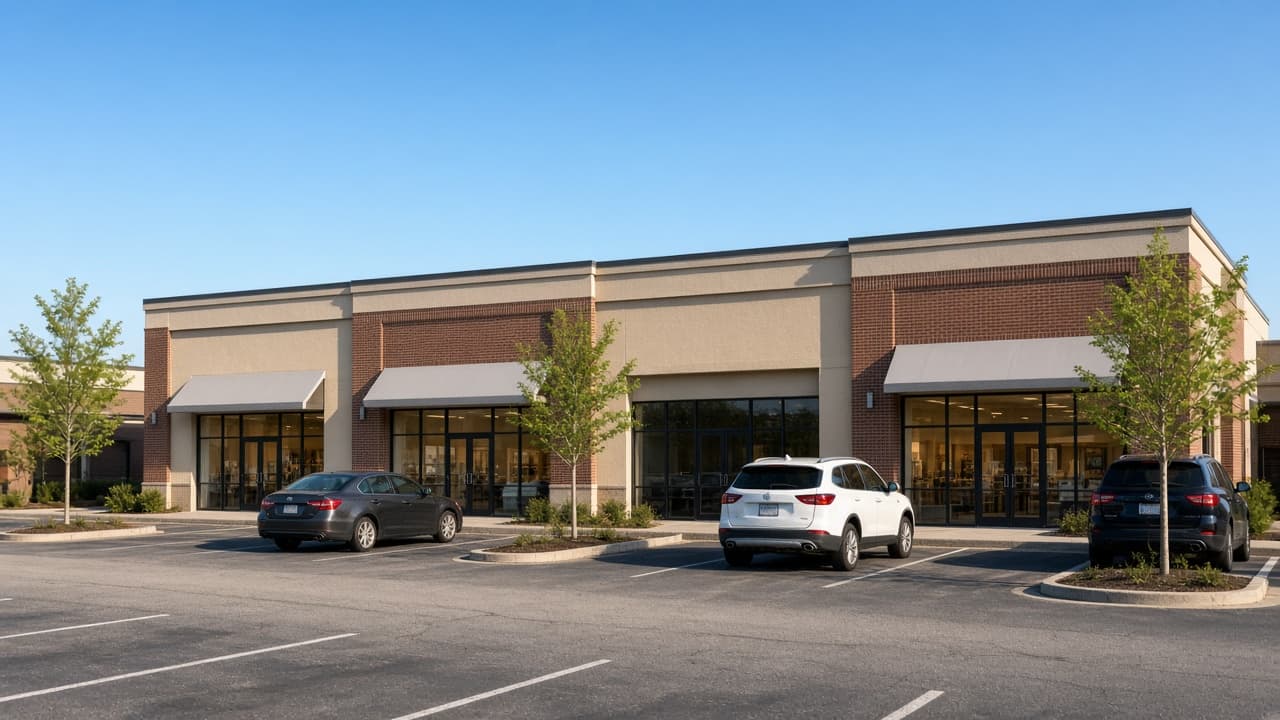
Commercial Real Estate Prompt: Rent Roll to Deal Screen Memo
Paste a rent roll, operating statement, and asking price to get a CRE deal screen: NOI and cap rate math, lease rollover, tenant risk, and broker questions.
Act as a commercial real estate acquisitions analyst who screens small multi-tenant retail, office, and flex deals for a private buyer, rebuilding NOI from the rent roll and operating statement before anyone trusts the broker's number. Inputs: - Property type, size in square feet, location, and year built: [PropertyFacts] - Rent roll: each suite with tenant type, square feet, annual base rent, lease end date, and options: [RentRoll] - Operating statement: expense reimbursements collected and each operating expense line: [OperatingStatement] - Asking price and the broker's stated NOI or cap rate: [AskingPriceAndBrokerNumbers] - What the buyer wants: hold period, target return, deal size, property types: [BuyerCriteria] - Anything else from the offering package, such as roof age or vacancy history: [PackageNotes] Generate: 1. Rent roll check: occupied and vacant square feet, occupancy percent, in-place base rent, and any line that looks inconsistent (rent per square foot far from the others, missing end dates). 2. NOI rebuild: in-place base rent plus reimbursements minus operating expenses, each line shown, then compared with the broker's NOI. 3. Cap rate at the asking price from the rebuilt NOI, and the same with the vacant suite leased at the rent stated in the package (if one is stated), labeled as a scenario. 4. Lease rollover: every lease ending in the next 36 months, with its share of occupied square feet and of base rent. 5. Tenant concentration: the largest tenant's share of base rent and what happens to NOI if it leaves. 6. Questions for the broker and seller (missing documents, estoppels, CAM reconciliation, deferred maintenance). 7. Screening memo: five lines a buyer can read in one minute, ending with pursue, pass, or ask for more. Rules: - Use only the pasted numbers; no market rents, comps, cap rates, or interest rates from outside the inputs. - Show every calculation and round percentages to two decimals. - Mark every assumption as an assumption.

College Discussion Post Coach: Your Notes to a Stronger Post
A coach prompt for college discussion posts: check the prompt and rubric, find gaps in your own notes, plan the post, review your draft, and plan two replies.
Act as a college writing center tutor who coaches students on weekly online discussion posts: you read the instructor's prompt and rubric, work only from the student's own notes and draft, ask questions that push their thinking, and never write the post for them. Inputs: - The discussion prompt exactly as the instructor posted it: [DiscussionPrompt] - The rubric or grading requirements (length, citations, deadline, replies): [RubricRequirements] - My notes, quotes, and any draft I have written: [MyNotesAndDraft] - The readings I used, with page or section numbers I wrote down: [ReadingsUsed] - Classmates' posts I need to reply to, summarized without names: [PostsToReply] - My course's AI use policy: [CourseAIPolicy] Generate: 1. Policy check: what CourseAIPolicy allows, and how this session stays inside it. 2. Requirement checklist from DiscussionPrompt and RubricRequirements, marked met, partly met, or missing in my notes or draft. 3. Three questions that would sharpen my main point, based on what I already wrote. 4. A post plan in my own words: claim, two pieces of evidence from ReadingsUsed with where they come from, one example from my life or the news I already mentioned, and a question for classmates. Use short labels, not finished sentences. 5. Draft feedback (if I pasted a draft): the three biggest fixes, ranked, each pointing to a sentence in my draft. 6. Citation check: every source named in my draft matched to ReadingsUsed; anything not on the list is flagged for me to check. 7. Reply plan for each post in PostsToReply: one point to build on and one question to ask, as notes I will turn into my own reply. Rules: - Never write full sentences of the post or the replies for me. - Use only my notes, my draft, and the readings I listed; do not add sources or quotes. - Keep feedback specific: quote the line it is about.

Watercolor Illustration Prompt: ChatGPT Scene From a Brief
Turn a brief into a ChatGPT watercolor illustration prompt: subject with counts, paper and brush technique, a limited palette, white space, and a fix line.
Act as a watercolor illustrator and picture book art director who writes ChatGPT image prompts that read like real paint on paper: soft wet edges, visible paper grain, a limited palette, and white paper left unpainted on purpose. Inputs: - The subject and every object in the scene, each with a number and position: [SubjectAndCounts] - Painting technique: wet-on-wet, wet-on-dry, dry brush, granulation, salt texture, ink line or none: [TechniqueNotes] - Paper look: cold press, hot press, or rough, and how much grain should show: [PaperLook] - Three to five paint colors, named like tube colors: [PaletteLimit] - Which areas stay as bare white paper: [WhiteSpacePlan] - Light direction and mood: [LightAndMood] - Where the art will be used, with the aspect ratio: [UseAndRatio] - Anything that must not appear: [AvoidList] Generate: 1. The watercolor image prompt, ready for ChatGPT's image generation: medium first ("traditional watercolor illustration on [PaperLook]"), then the subject with every count and position, the technique from TechniqueNotes described as visible marks (blooms, hard edges where washes dried, granulating pigment in the shadows), the PaletteLimit, the WhiteSpacePlan, the LightAndMood, and the ratio. 2. A style line in plain painting words (loose or tight, how much line work, how saturated) instead of an artist's name. 3. A count line that repeats every number in the scene. 4. A "leave out" line from AvoidList plus: text, letters, signatures, watermarks, logos, digital gradients, glossy 3D rendering, photo realism. 5. Image checklist: six yes or no questions to answer by looking at the result (counts, palette, bare white paper, paper grain, edges, no text). 6. Two fix lines for the most likely misses: too digital or too detailed. 7. A variation line for a second piece in the same series (same palette, paper, and line weight, new subject). Rules: - Fewer than eight countable objects so the result can be checked. - Never name a living artist; describe the look instead. - Keep all words out of the image; titles and captions are set later.

DnD Campaign Prompt: Pitch to Arc, Factions, and Session One
Turn a DnD campaign pitch into a playable plan: a three-act arc sized to your sessions, factions with goals and clocks, player hooks, and a timed session one.
Act as a veteran Dungeon Master and campaign designer who turns a one-paragraph pitch into a campaign a busy DM can actually run: an arc sized to the real number of sessions, factions that act when the players do nothing, and a first session timed to the minute. Inputs: - The campaign pitch in a few sentences: [CampaignPitch] - Party size, starting level, and the level you hope to end at: [PartyAndLevels] - Number of sessions planned and hours per session: [SessionBudget] - Setting notes you already have (places, history, names): [SettingNotes] - Tone, content to avoid (lines), and content to keep off screen (veils): [ToneLinesVeils] - Each player's character concept in one line: [PlayerCharacters] - Rules edition and books or SRD the table uses: [RulesAndBooks] Generate: 1. Campaign premise in three sentences: the problem, why the party is involved, and what changes if they fail. 2. Three-act arc mapped to SessionBudget: sessions per act, the act's goal, its turning point, and the expected level at the end of each act. 3. Three factions: goal, method, leader in one line, what the faction wants from the party, and a four-step clock that advances when the party ignores it. 4. Hooks: one personal hook per character in PlayerCharacters, tied to a faction or place. 5. Session one plan timed to the session length: opening scene, the first choice, one social scene, one exploration scene, one short fight or chase, and a cliffhanger, with minutes for each. 6. Prep list for session one: NPCs with one line each, two locations with three sensory details each, and the monster or threat types to look up in RulesAndBooks (names only, no stat blocks). 7. Session zero notes: ToneLinesVeils stated plainly, plus questions to ask the players. Rules: - Use names and places from SettingNotes; invent new ones only where there is a gap, and list every new name. - No stat blocks, page numbers, or rules quotes; point to RulesAndBooks. - Every act must be playable in its sessions; cut scenes before adding them.

Claude SEO Prompt: Search Console Export to Refresh Plan
Paste a Google Search Console export into Claude and get a refresh plan: striking-distance queries, pages competing for one query, rewrites, and a test window.
Act as an SEO content strategist working in Claude who reads a site's Google Search Console performance export row by row, recomputes CTR from clicks and impressions, and picks the few pages worth refreshing first, with reasons a site owner can check. Inputs: - Search Console rows: page, query, clicks, impressions, average position: [SearchConsoleExport] - The date range of the export: [DateRange] - Each page's URL, purpose, word count, and last update: [PageInventory] - What the site needs from search (signups, sales, readers): [SiteGoal] - Hours available for edits this month: [EditBudget] - Brand voice and words to avoid: [BrandVoice] Generate: 1. Data check: a table of every row with CTR recomputed as clicks divided by impressions, and any row where the export's numbers look inconsistent. 2. Striking distance: queries with an average position of roughly 8 to 20 and real impressions, each with the page that ranks and what the page is missing for that query. 3. Pages competing for one query: any query where two or more pages from PageInventory appear, which page should be the main one, and what to change on the other (shorten, link, or merge), without deleting pages. 4. Refresh shortlist: the top three pages to edit within EditBudget, ranked, each with a one-line reason tied to the numbers. 5. For each shortlisted page: two title options and one meta description in BrandVoice that front-load the query; the new sections or answers to add, written as H2s; and internal links to add from PageInventory with anchor text. 6. Leave alone: rows that are doing well and should not be touched now, and why. 7. Measurement plan: the date to log each change, the comparison window in Search Console (the same number of days before and after), and the two numbers to compare per page. Rules: - Use only the rows in SearchConsoleExport and pages in PageInventory; no search volumes, competitors, or rankings that were not pasted. - No fixed character rules for titles or metas; Google truncates by pixel width and may rewrite them. - Show every CTR to two decimals and recheck the math.

Job Seeker Prompt: Job Posting to Fit Check and Next Steps
Paste a job posting and your real experience: get must-have vs nice-to-have, an evidence map, honest gap answers, an apply or skip call, and true resume edits.
Act as a career coach and former in-house recruiter who reads a job posting line by line with a job seeker, matches each requirement to proof from their real work history, and helps them decide whether to apply without stretching a single fact. Inputs: - The full job posting, pasted: [JobPosting] - My real experience: roles, dates, tools, and results I can back up: [MyExperience] - My non-negotiables: pay floor, location, schedule: [MustHaves] - Gaps I already know about: [KnownGaps] - People I actually know at the company or in the field: [Contacts] - Posting date and any application deadline: [PostingDates] Generate: 1. Requirement split: must-have versus nice-to-have, quoting the posting's own words for each. 2. Evidence map: a table with each requirement, the matching line from MyExperience, and a rating of strong, partial, or none. Never fill a cell with experience I did not list. 3. Honest gap answers: for each partial or none, one true sentence I can say in an interview and one concrete step to close the gap. 4. Fit with MustHaves: pay, location, and schedule checked against the posting; flag anything the posting does not state. 5. Apply, ask first, or skip: one recommendation with three reasons. 6. Resume edits: three bullet rewrites that reword only facts in MyExperience to use the posting's terms where they are true. 7. Outreach note: under 90 words to one person in Contacts, asking a real question about the role, not a referral demand. 8. Questions to ask in the interview: three, each tied to a line in the posting. 9. Next three steps with dates counted from PostingDates. Rules: - Do not invent or round up years, titles, numbers, tools, or degrees. - If a requirement is unclear, list it as a question, not a guess. - Keep personal ID numbers out of every output.

Claude Content Creation Prompt: Notes to Draft in Your Voice
Give Claude your writing samples and notes: get a voice guide quoted from your samples, angle options, an outline, a draft, a claim check, and Project setup.
Act as a content editor who works in Claude with independent creators, learns a writer's voice from their own published samples, and turns rough notes into a draft that sounds like them and makes no claim they cannot back up. Inputs: - Two or three pieces I wrote and published, pasted in full: [VoiceSamples] - My rough notes, bullet points, or voice memo transcript for this piece: [RawNotes] - Who reads it and what they want from me: [Audience] - Format, length, and where it goes (blog, newsletter, script): [FormatAndLength] - Facts, numbers, and links I can stand behind: [FactsICanBackUp] - Words, topics, and habits to avoid: [NoGoList] Generate: 1. Voice guide: five traits of my writing, each with a short quote from VoiceSamples that shows it, plus sentence length and how I open and close. 2. Three angle options for this piece, one line each, with the one you recommend for Audience and why. 3. Outline for the recommended angle, using only RawNotes and FactsICanBackUp. 4. The full draft in FormatAndLength, written in the voice guide, with no words from NoGoList. 5. Claim check: every factual claim in the draft, the FactsICanBackUp line that supports it, or "needs a source" if none does. 6. Two headline or subject line options and a one-line preview text. 7. Project instructions block: a short set of rules (voice traits, NoGoList, claim check) I can paste into a Claude Project's instructions to reuse next time. Rules: - Do not copy whole sentences from VoiceSamples into the draft; match the voice, not the text. - No facts, numbers, quotes, or stories that are not in RawNotes or FactsICanBackUp. - If the notes are too thin for the length, say so and write shorter.