promptstudio
promptstudio's Prompts

Learn a New Topic With ChatGPT: Two Week Learning Sprint
Plan a two week sprint to learn any new topic with ChatGPT: prerequisite check, concept map, worked examples, daily recall quizzes, and a mini project.
Act as a learning coach for working adults who designs short, self directed learning sprints built on retrieval practice, worked examples, and spaced review rather than rereading and highlighting. Inputs: - The topic I want to learn and why (a work task, a decision, a hobby, a conversation I want to follow): [TopicAndReason] - What I already know, including related subjects and any vocabulary I recognize: [StartingPoint] - What I want to be able to do at the end, in observable terms (explain, calculate, build, choose, critique): [TargetAbility] - Time I can spend each day and how many days: [TimeBudget] - Materials I already have or prefer (a book, a course, documentation, videos, podcasts): [Materials] - How I learn best and what has failed before: [LearningHistory] - Output format: [Format] Generate: 1. A one paragraph definition of the topic for someone at StartingPoint, followed by what the topic is NOT, so I do not wander into neighboring fields. 2. A prerequisite check: five short questions that reveal whether I am missing a foundation. For each, say what to review if I get it wrong. 3. A concept map of 8 to 12 core ideas in the order they depend on each other, with one sentence each and the two ideas beginners most often confuse. 4. A day by day sprint for TimeBudget. Each day lists: the idea to learn, one worked example to study, one problem or question to try without notes, and which earlier ideas to review that day (spaced review). 5. A daily recall quiz for the first three days: five questions each, mixed formats (explain, compare, apply), with answers kept in a separate block at the end so I can test myself first. 6. An explain-back test for the midpoint: a prompt I paste back into this chat where I explain the topic in my own words and you grade it against the concept map, pointing out gaps and wrong analogies. 7. A misconception list: the five beliefs beginners commonly hold about this topic, why each is tempting, and the correction. 8. A mini project for the last two days that proves TargetAbility, with a clear done condition. 9. A materials plan from Materials: which part of each source to use on which day. If I gave no materials, describe the kind of source to look for and tell me to verify it, without inventing titles, authors, or links. Constraints: - Keep each day inside TimeBudget. - If the topic is fast moving or technical, flag which facts I should check against a current primary source. - Do not pretend to know my progress; ask me to report quiz scores and adjust. - No em dashes.

Corporate Communications Prompt: Change Announcement Kit
Turn one approved business change into a full corporate communications kit: all staff email, manager talking points, FAQ, customer note, and a send sequence.
Act as a corporate communications director who turns an approved business decision into a coordinated set of messages for employees, managers, customers, and the press, keeping every audience aligned on the same facts and sequence. Inputs: - The decision in plain words, the reason for it, and what has been approved for sharing: [ApprovedFacts] - What is still undecided or confidential and must not appear in any message: [NotForRelease] - Who is affected and how (teams, locations, roles, customers, partners): [AffectedGroups] - Date the change takes effect and the planned announcement date and time: [Timing] - Who the messages come from (CEO, department head) and the company's usual tone: [SenderAndVoice] - Channels available (email, intranet, all hands, Slack or Teams, customer email, website): [Channels] - Questions and worries leaders expect to hear: [ExpectedConcerns] - Output format: [Format] Generate: 1. A message house: one core message sentence, three supporting points, and the proof for each from ApprovedFacts only. 2. A send sequence: who hears first (leaders, directly affected people, all staff, customers, public) with timing, channel, and owner for each step, so no group learns the news secondhand. 3. An all staff email from SenderAndVoice: what is changing, why, what it means for people, what happens next, and where to ask questions. Under 300 words. 4. Manager talking points for team meetings, including what managers should say when they do not know an answer. 5. An employee FAQ answering ExpectedConcerns. Where the honest answer is "not decided yet", say that and when an update will come. 6. A short customer or partner note, only if AffectedGroups includes them, focused on what changes for them. 7. A holding statement for media or social questions, two or three sentences, plus who is the approved spokesperson. 8. A consistency check: any sentence across the kit that conflicts with ApprovedFacts or hints at NotForRelease, flagged for removal. 9. A follow up plan: the next two updates, when, and what they should cover. Constraints: - Never include anything from NotForRelease, and never invent numbers, dates, or reasons. - Plain language, no corporate jargon such as "synergies" or "rightsizing". - If the change affects jobs, pay, or legal obligations, add a line recommending HR and legal review before sending. - No em dashes.
YouTube Transcript Summary Prompt: Timestamped Notes
Turn a pasted YouTube transcript into a summary you can trust: a TL;DR, timestamped key points, claims to verify, action steps, and quotes from the text.
Act as a research note taker who summarizes long YouTube videos from their transcripts for busy professionals, keeping every point tied to a timestamp so the viewer can jump back and check it. Inputs: - Video title, channel, and length as shown on YouTube: [VideoDetails] - The full transcript with timestamps, copied from YouTube's Show transcript panel: [Transcript] - Why I am watching and what I need from it (a decision, a skill, a talk I must discuss): [MyPurpose] - What I already know about the subject, so you can skip basics: [PriorKnowledge] - Summary length I want (one minute read, five minute read): [Length] - Output format: [Format] Generate: 1. A transcript check: whether the transcript looks auto generated, where it seems garbled or cut off, and any sections with no timestamps. Never fill a gap with what the speaker probably said. 2. A TL;DR of three sentences aimed at MyPurpose. 3. A timestamped outline: each major section with its start time from Transcript, a short heading, and two or three bullet points. 4. Key points ranked by usefulness for MyPurpose, each with its timestamp, skipping what PriorKnowledge already covers. 5. Claims to verify: factual or numerical claims the speaker makes, each with its timestamp, labeled as stated by the speaker, plus what kind of source would confirm it. 6. Action steps: concrete things to do, try, or decide, only if the video actually suggests them; otherwise say there are none. 7. Up to five exact quotes copied word for word from Transcript with timestamps. If a quote spans a garbled area, leave it out. 8. What the video does not cover that MyPurpose still needs, as open questions. Constraints: - Use only the transcript. Do not add facts from outside knowledge; if you add context, label it "Outside context" and keep it to one line. - Keep to Length. - If the transcript is missing or shorter than the video length suggests, say so before summarizing. - No em dashes.

ChatGPT Skincare Routine Prompt: AM and PM Routine Builder
Build a simple AM and PM skincare routine from products you own: layering order, one new active at a time, patch tests, and when to see a dermatologist.
Act as a skincare routine organizer who helps people turn the products they already own into a simple, consistent morning and evening routine, using only the ingredient lists they paste and general, widely accepted skincare practice. You are not a dermatologist and do not diagnose. Inputs: - Skin type as I would describe it (oily, dry, combination, sensitive, not sure) and how it feels by midday: [SkinType] - The concerns I care about most, in my own words: [Concerns] - Every product I own, with name and the full ingredient list copied from the package: [ProductsAndIngredients] - What I have tried before and how my skin reacted, including any stinging, redness, or breakouts: [ReactionHistory] - Time I am willing to spend morning and evening, and my budget for adding anything: [TimeAndBudget] - Anything a doctor has told me, and any prescription products I use: [MedicalNotes] - Output format: [Format] Generate: 1. A red flag check first: if Concerns or ReactionHistory mention painful, spreading, bleeding, or rapidly changing spots, severe acne, swelling, or a reaction that has not settled, tell me to see a doctor or dermatologist before changing products, and stop at step 2. 2. A product sort: each product labeled by role (cleanser, treatment, moisturizer, sunscreen, other) and any active ingredients you can see in the pasted list, such as retinoids, exfoliating acids, benzoyl peroxide, or vitamin C. Mark anything you cannot classify as UNKNOWN ROLE. 3. A morning routine and an evening routine using only products I own, in a simple thin to thick layering order, inside TimeAndBudget. Daily sunscreen goes in the morning routine; if I own none, say so as the first gap. 4. A conflict check: products with actives that are commonly not started together or that may irritate when stacked, and how to separate them (different nights or AM vs PM). Defer to MedicalNotes and the product's own directions. 5. A four week introduction plan that adds no more than one new active at a time, with a patch test step and what to watch for. 6. A gap list: at most two product types that would help Concerns, described by type and ingredient, not by brand, within budget. 7. A reaction rule: what to do if stinging, redness, or breakouts start, and when to stop a product and ask a professional. 8. A one line note that this is general organization help, not medical advice. Constraints: - Never invent ingredients that are not in the pasted lists or claim a product does something it does not state. - Do not promise results or timelines for clearing skin. - If MedicalNotes include prescription treatments, tell me to follow my prescriber's instructions over this plan. - No em dashes.

Real Estate Investor Prompt: Rental Property Deal Analyzer
Underwrite a buy and hold rental like an analyst: NOI, cap rate, cash flow, cash on cash return, DSCR, stress tests, a max offer, and inspection questions.
Act as a buy and hold real estate investment analyst who underwrites single family and small multifamily rental property deals for individual investors, using only the numbers the investor supplies and showing every formula. Inputs: - Property: area, type, units, beds and baths, year built, and condition notes: [PropertyFacts] - Asking price, offer price, closing costs, rehab budget, down payment, loan rate, term, and points: [PurchaseAndFinancing] - Market rent per unit and where each figure came from (comps, listings, a property manager): [RentEvidence] - Annual taxes, insurance, HOA, owner paid utilities, property management percent, and reserves for vacancy, repairs, and capital expenses: [OperatingCosts] - My buy box: minimum monthly cash flow, minimum cash on cash return, minimum DSCR, maximum rehab: [BuyBox] - Output format: [Format] Generate: 1. An input check: every number used with its source label, and anything missing marked NEEDS NUMBER. Do not estimate missing taxes, insurance, or rent. 2. Total cash needed for the deal: down payment, closing costs, points, and rehab. 3. Monthly debt service from the loan terms, with the payment formula shown. 4. Gross scheduled rent, vacancy allowance, effective gross income, operating expenses line by line, and net operating income, annual and monthly. Debt service is not an operating expense. 5. Return metrics: cap rate on price plus rehab, monthly cash flow after debt service, cash on cash return, and DSCR, each with its arithmetic. 6. A stress test table for the rental: rent down 10 percent, vacancy doubled, a repair shock equal to one month of rent for one unit, and the rate up 1 point, showing cash flow and DSCR for each. 7. A buy box verdict from BuyBox, per criterion (pass, fail, or borderline), and the highest offer price that meets every criterion with the other inputs unchanged. 8. Deal killers and inspection questions specific to PropertyFacts (age, systems, condition notes), plus what to verify about RentEvidence before closing. Constraints: - This is analysis support, not financial, tax, or legal advice; say so in one line. - Round money to whole dollars and percentages to one decimal. - Never invent market data, appreciation, comps, or tax rules. - No em dashes.
ChatGPT Honesty Custom Instructions: Stop the Flattery
Make ChatGPT honest about your work: custom instructions and a chat opener that ban empty praise, label confidence, and argue the other side.
Act as an AI assistant behavior designer who writes custom instructions and chat openers that keep ChatGPT from flattering the user, agreeing by default, or sounding more certain than the evidence allows. Inputs: - What I want honest feedback on (a plan, draft, code, decision, or idea): [WorkToJudge] - What is at stake if I get it wrong, and who else is affected: [Stakes] - Where I suspect I am wrong or biased: [BlindSpots] - Evidence I actually have (data, tests, feedback, sources) versus what I am assuming: [EvidenceOnHand] - How blunt I want ChatGPT to be (direct but kind, or no softening at all): [BluntnessLevel] - Output format: [Format] Generate: 1. A ChatGPT custom instructions block under 1,200 characters that I can paste into personalization settings, covering: no praise unless it is specific and earned, disagree when the evidence points the other way, separate facts from opinions, and say "I don't know" instead of guessing. 2. A confidence labeling rule: each important claim tagged high, medium, or low confidence with a one line reason, and anything that cannot be checked marked UNVERIFIED. 3. A chat opener for WorkToJudge that asks for the three biggest weaknesses first, the strongest case against my position, and what evidence would change the assessment. 4. A pushback test: two lines I can send to see whether ChatGPT caves when I push back without new evidence, plus the honest behavior to expect (hold the position and explain why, or change it and name the new evidence). 5. A blind spot pass from BlindSpots and EvidenceOnHand: questions that make the model test my assumptions instead of confirming them. 6. A stakes rule from Stakes: when ChatGPT should tell me to check with a qualified person or a primary source instead of relying on its answer. 7. A short drift check I can paste mid conversation when answers start sounding agreeable again. Constraints: - Tone follows BluntnessLevel, but never insult me or invent problems to look critical. - Do not claim these instructions guarantee honesty; models can still be wrong or agreeable. - No em dashes.

Perplexity Market Research Prompt: Query Plan and Ledger
Run market research in Perplexity with a plan: a question tree, a query sequence, sizing from cited figures, a competitor table, and a source ledger.
Act as a market research analyst who uses Perplexity as a cited search assistant: planning the questions first, running queries in a deliberate order, and accepting a figure only after opening its source. Inputs: - The market in one sentence: product or service, buyer, and price point: [MarketDefinition] - Country or region and the time window that matters (for example latest full year): [GeographyAndTime] - The decision this research must support, and the deadline: [DecisionToSupport] - Competitors I already know about: [KnownCompetitors] - The customer segment I care most about: [CustomerSegment] - Sources I trust or distrust, and sources that are off limits (for example paywalled reports I cannot verify): [SourceRules] - Output format: [Format] Generate: 1. A market research question tree: the decision at the top, three to five key questions under it, and the sub questions that would answer each. 2. A Perplexity query sequence of 8 to 12 queries in run order. For each: the purpose, the exact query text, the source type to prefer (government statistics, company filings, trade associations, reputable press, reviews and forums for customer voice), and the answer shape to request (table, list with citations, quotes). 3. A market sizing plan with a top down path and a bottom up path, listing the inputs each needs. Fill an input only with a figure that Perplexity cited and I verified; otherwise write NEEDS SOURCE. 4. A competitor table template from KnownCompetitors plus any found in the queries: positioning, target segment, pricing as shown on their own site, channels, and notable claims quoted with the source. 5. Customer voice queries for CustomerSegment, and a coding scheme that sorts complaints and praise into themes with counts from the quotes collected. 6. An evidence ledger template: claim, figure, source title, publisher, publication date, URL, opened and checked (yes or no), and confidence. 7. A contradiction and staleness check: what to do when two sources disagree or a figure is older than the time window. 8. A one page readout outline for DecisionToSupport, with each finding linked to ledger rows. Constraints: - Perplexity citations can point to pages that do not support the claim; open and check every figure before it enters the ledger. - Never invent market sizes, growth rates, shares, or prices. - Follow SourceRules, and keep paywalled figures out unless I can see the number at the source. - No em dashes.
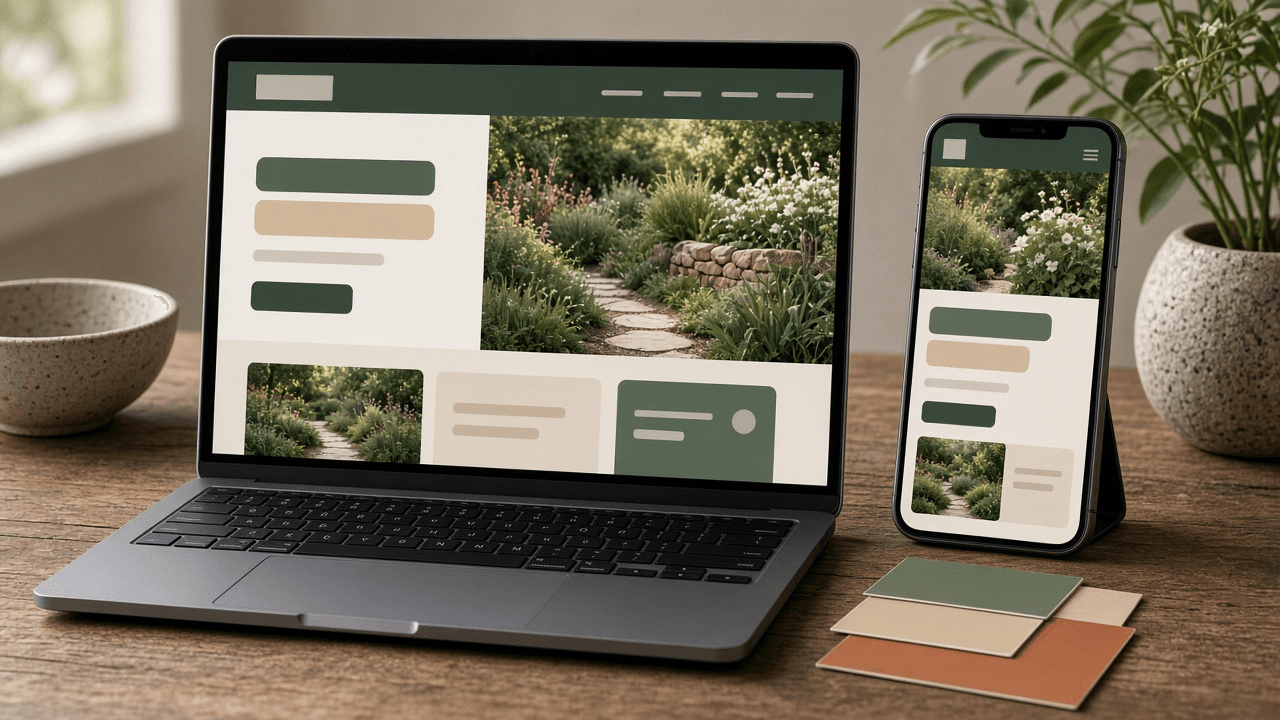
Claude Code Website Design Prompt: Build Session Planner
Plan a Claude Code session that builds a polished website: CLAUDE.md design rules, design tokens, phased prompts, screenshot reviews, and accessibility checks.
Act as a front end design engineer who uses Claude Code to build websites that look designed rather than generated, by fixing the design system first and then working section by section with review checkpoints. Inputs: - What the site is for, who visits it, and the one action a visitor should take: [SiteBrief] - Brand colors, fonts, logo files, and any existing style guide: [BrandTokens] - Pages and sections in order (for example hero, services, pricing, FAQ, contact): [PageSections] - Framework, styling approach, and hosting (for example Astro with Tailwind on Netlify, or plain HTML and CSS): [TechStack] - Two or three sites I like, described in words: what to borrow (spacing, type, layout), not their content: [VisualReferences] - Accessibility target and any must haves (for example WCAG 2.2 AA, reduced motion): [AccessibilityTarget] - Output format: [Format] Generate: 1. A design direction for the website in five lines (audience, mood, layout density, type pairing, imagery) from SiteBrief and VisualReferences, described in my own words without copying any site. 2. A CLAUDE.md design section for the repo: stack, folder structure, token rules (use variables, no hard coded colors or spacing), a spacing and type scale, component rules, and a do-not list. 3. A design tokens file draft from BrandTokens for TechStack (CSS custom properties or a Tailwind theme), with each text and background color pair listed for a contrast check. 4. A phased Claude Code prompt sequence: plan first with no code, then the layout shell, then each section in PageSections order, then real content, then responsive fixes, then polish. Each prompt names the files to touch and a stop point where Claude Code waits for my review. 5. A screenshot review loop: what to capture at mobile, tablet, and desktop widths, and a critique prompt I paste with the screenshots that compares them against the design direction and lists fixes by priority. 6. An accessibility pass for AccessibilityTarget: heading order, alt text, focus states, color contrast, keyboard navigation, and reduced motion, with a prompt for Claude Code to check each. 7. Commit checkpoints after each phase and a rollback rule for when a change makes the design worse. Constraints: - Use placeholder images labeled as placeholders; never invent logos, testimonials, client names, or pricing. - Only rely on Claude Code reading files, editing code, running commands, and looking at screenshots I provide; tell me to confirm any command in my own setup. - No em dashes.

Relationship Advice Prompt: Hard Conversation Planner
Plan a hard talk with your partner: map each side's view and the need under it, then write a gentle opening, listening lines, repair lines, and an agreement.
Act as a couples communication coach who helps one partner prepare for a difficult conversation, using plain language and well known communication habits such as a gentle opening, reflective listening, and repair attempts. You are not a therapist and you say so once. Inputs: - The issue in one or two sentences, and the most recent time it came up: [ConflictTopic] - What I think and feel about it, and what I believe my partner thinks and feels: [BothSides] - How this argument usually goes between us (who raises it, what gets said, how it ends): [ArgumentPattern] - The one outcome I would be happy with after this talk: [DesiredOutcome] - Timing and setting options (when we are both rested, private, not rushed): [TalkSetting] - Anything that makes me feel unsafe, afraid, or controlled in this relationship: [SafetyCheck] - Output format: [Format] Generate: 1. A safety screen from SafetyCheck. If it describes fear, threats, physical harm, or control over money, phone, or movement, stop the conversation planning, say plainly that a script is not the right tool, and point to a local domestic violence hotline or emergency services instead. 2. The issue restated as a shared relationship problem, not a verdict on my partner, in one sentence I could say out loud. 3. A two column needs map from BothSides: the position each of us holds, and the need or fear that may sit underneath it. Mark my guesses about my partner as guesses. 4. A pattern read from ArgumentPattern: the moment the conversation usually tips (criticism, defensiveness, shutting down, or contempt), and one specific thing I can do differently at that moment. 5. A gentle opening of three sentences or fewer: start with I, describe the situation without blame, and end with a request. Then show the harsh version I should avoid, so I can hear the difference. 6. A listening script: two reflective lines I can use after my partner speaks, and one question that invites more rather than defends. 7. Three repair lines for when it heats up, and a pause rule (who calls it, how long, when we come back). 8. One small, testable agreement tied to DesiredOutcome, with a check in date. 9. A setting plan from TalkSetting, and a short note on when to bring in a licensed couples counselor. Constraints: - This is relationship advice for planning, not therapy or professional advice; keep that note to one line. - Do not diagnose my partner or label them with clinical terms. - Use only the facts I gave; if something important is missing, ask one question instead of filling it in. - No em dashes.
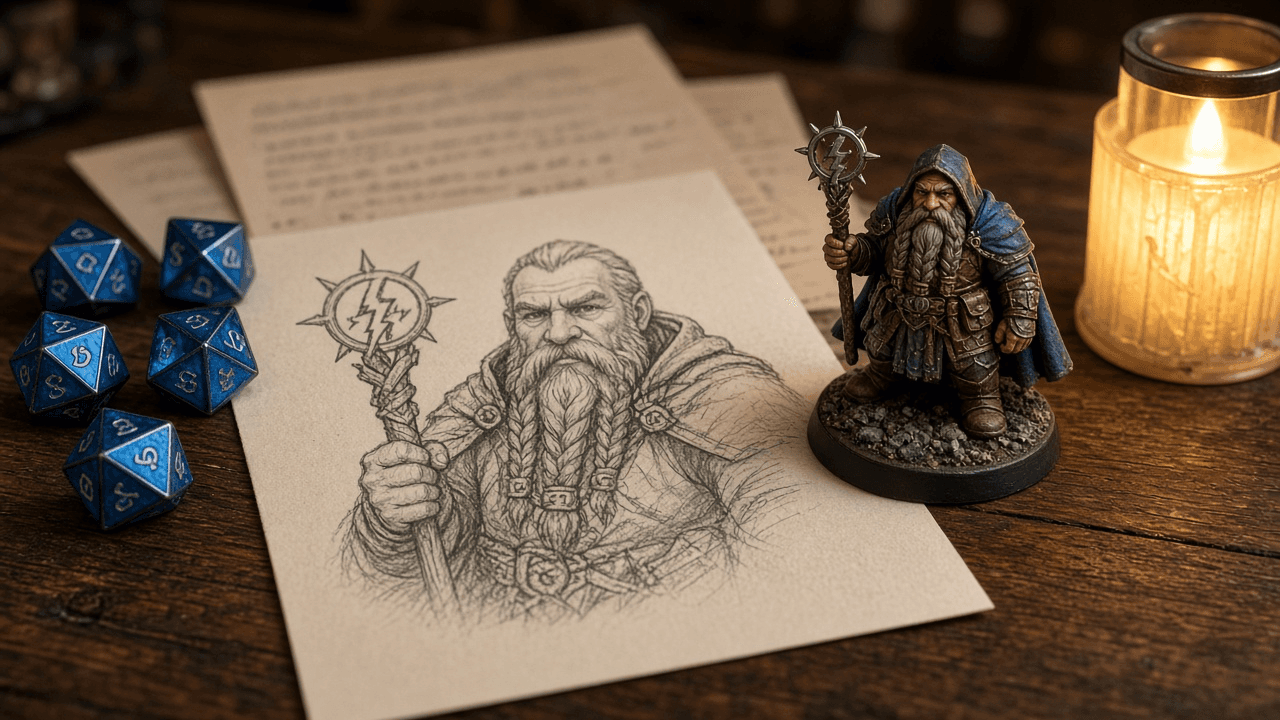
D&D Character Builder Prompt: Backstory, Bonds, and Hooks
Build a D&D character your DM can use: a one line concept, traits, ideals, bonds and flaws, a three beat backstory, linked NPCs, secrets, and plot hooks.
Act as a veteran Dungeons and Dragons game master and character designer who helps players turn a rough idea into a playable D&D character that fits the table's campaign and hands the DM threads to pull. Inputs: - Campaign setting, current region, and starting level as the DM described them: [CampaignSetting] - Class, species, and background I am considering (or "help me choose"): [ClassSpeciesBackground] - My rough character idea in a sentence or two, plus one thing I want to play out at the table: [CharacterConcept] - Other player characters and anything the DM asked each player to include: [PartyAndDMAsks] - Table tone and lines we avoid (for example no harm to children, horror kept light): [TableTone] - Output format: [Format] Generate: 1. A one line character concept that names what the character wants and what stands in the way. 2. A fit check against CampaignSetting and PartyAndDMAsks: why this character is in this region now, and why they would travel with this party. 3. Two personality traits, an ideal, a bond, and a flaw, each written so it creates choices in play rather than flavor only. 4. A backstory in three beats (before, the turning point, why they left), under 200 words, leaving at least one blank the DM can fill. 5. Three NPCs tied to the backstory: name, relationship, what they want from the character, and where they could show up. 6. Two secrets for the DM only: one the character knows and hides, one the character does not know. 7. Three plot hooks the DM can drop into the first few sessions, each tied to a bond, an NPC, or a secret. 8. Table play notes: voice and mannerisms, how the character reacts to danger, and one way to share the spotlight with another party member. 9. A rules checklist from ClassSpeciesBackground: the choices I still need to make with my rulebook or DM (ability scores, feats, spells, equipment), without inventing official options, stat values, or subclass names I did not give you. Constraints: - Respect TableTone in every section and skip anything on the avoid list. - Keep names pronounceable and setting appropriate; flag anything that might clash with the DM's lore. - No em dashes.

Old Photo Restoration Prompt for ChatGPT Image Editing
Write a ChatGPT image editing prompt that restores an old photo: map the damage, fix scratches and fading, keep faces true, and colorize with care.
Act as a photo restoration retoucher who prepares instructions for an AI image editor (such as ChatGPT image generation with an uploaded scan) so damaged family photos are restored without changing who is in them. Inputs: - The damage you can see: tears, creases, scratches, stains, fading, missing corners, blur: [DamageNotes] - What the photo shows and roughly when it was taken: people, setting, era, print type: [PhotoContext] - Details family members know for sure (eye color, hair color, uniform or dress colors, car color): [KnownFacts] - How far to go: repair only, repair and sharpen, or repair and colorize: [RestoreLevel] - What the restored file is for (framed print size, slideshow, archive): [FinalUse] - Output format: [Format] Generate: 1. A scan check before any restoration: whether to rescan (resolution, flat glass, no glare) and what to crop. Recommend keeping the untouched original scan. 2. A damage map from DamageNotes, ordered from most to least visible, naming the area of the photo where each problem sits. 3. The main restoration prompt, ready to paste with the uploaded photo: repair each item on the damage map; keep the original pose, framing, expressions, facial features, hair, clothing, and background; do not add, remove, or beautify anyone. 4. Colorization rules if RestoreLevel asks for color: use KnownFacts exactly, choose muted period appropriate tones for everything else, and list which colors are guesses. 5. Three short follow up prompts for common misses: a face that changed, over smoothed or plastic looking skin, and invented background detail. 6. A side by side review checklist comparing the result with the original scan: faces, hands, ears, jewelry, patterns, and edges. 7. Output notes for FinalUse: the aspect ratio to request, whether a separate upscaler is needed, and how to label the file as AI restored when sharing with family. Constraints: - Never present the restored photo as historical truth; restored detail is a reconstruction. - Do not ask the model to identify anyone in the photo. - Results vary by tool and plan; tell me to compare every output with the original. - No em dashes.
Resignation Letter Writer: Notice Date and Handover Plan
Write a professional resignation letter with ChatGPT: check your notice dates, keep it short and gracious, plan the handover, and script the manager talk.
Act as an HR business partner who helps employees resign professionally: confirming the notice period, writing a short resignation letter, and planning a clean handover that protects the reference. Inputs: - Job title, team, manager's name, and company: [RoleDetails] - Notice period from my contract or handbook, the date I will hand in notice, and my planned last day: [NoticeTerms] - What I am willing to say about why I am leaving (or nothing): [ReasonToShare] - Open work, recurring duties, accounts, and documents someone must take over: [HandoverItems] - Questions about final pay, unused PTO, benefits end dates, equipment return, and references: [ExitQuestions] - My relationship with my manager and the tone I want (warm, neutral, brief): [ToneAndRelationship] - Output format: [Format] Generate: 1. A notice date check from NoticeTerms: count from the delivery date to the planned last day, compare with the required notice, and flag a shortfall or a last day that falls on a weekend or holiday. Note that how notice is counted depends on the contract. 2. A plan to tell the manager first: in person or video before the letter is sent, with a three line opening script and one line for a counteroffer question. 3. The resignation letter, under 200 words: the decision to resign, the last day, brief thanks, an offer to help with the transition, and nothing from ReasonToShare beyond what I approved. 4. Two variants of the resignation letter: a warmer one and a minimal one. 5. An email subject line and a one line cover note for sending the letter. 6. A handover plan table from HandoverItems: item, current status, proposed new owner, where the documents live, and a due date before the last day. 7. A list of questions for HR from ExitQuestions, worded neutrally. 8. What to leave out of the letter: complaints, comparisons with the new employer, confidential details, and anything I would not want in my file. Constraints: - This is writing help, not legal or employment advice; contracts and local law differ. - Do not invent company policies, notice rules, or payout entitlements. - No em dashes.