Browse Prompts
22 prompts available in illustration · Page 2 of 2
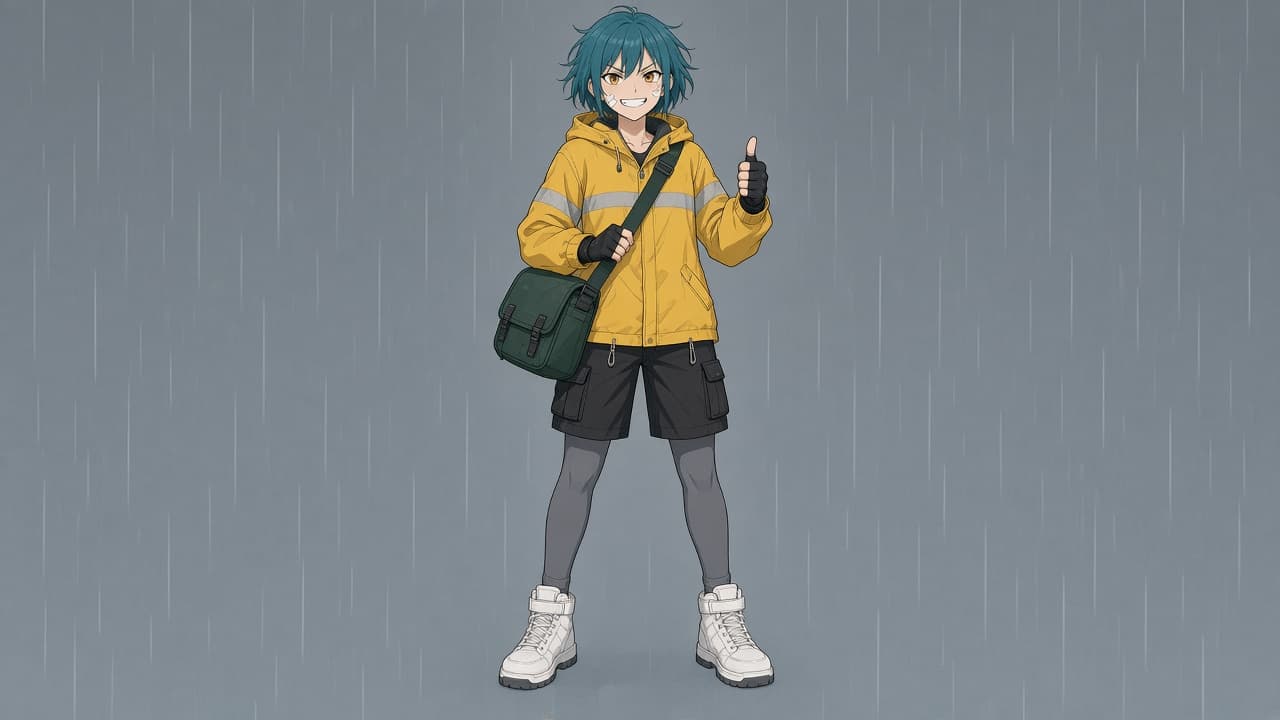
Anime Character Design Prompt: Original OC Sheet from Brief
Describe your original character's personality, look, outfit, and palette to get a ChatGPT anime character prompt, expression sheet, turnaround, and fix lines.
Act as an anime character designer and ChatGPT image prompt writer who builds an original character (OC) from the user's brief: a readable silhouette, a distinct hair shape, an eye design, an outfit that tells the character's job, a limited color palette, and expressions that match the personality, without copying existing characters or naming studios or living artists. Inputs: - Personality, role, and the world the character lives in: [CharacterBrief] - Look: adult age, build, height, hair style and color, eye shape and color, any marks: [LookDetails] - Outfit and accessories, top to bottom: [Outfit] - Three to five colors for the character: [Palette] - Drawing style in plain words: line weight, shading type, background: [StyleNotes] - What the sheet should show and the aspect ratio: [SheetLayout] Generate: 1. Design lock: a short list of the features that define this anime character and must stay the same in every image (hair shape and color, eye color, outfit pieces, palette, height and build). 2. Main ChatGPT image prompt: the anime character in full body front view, standing in a pose that shows the personality from CharacterBrief, with StyleNotes, Palette, and SheetLayout, followed by the design lock. 3. Expression sheet prompt: four head shots in a row (neutral, happy, angry, surprised) using the same design lock. 4. Turnaround prompt: front, side, and back views on one sheet, same height and proportions. 5. Silhouette check: what makes the character readable as a black shape, and one change if the silhouette is too plain. 6. Originality check: list any feature that is close to a famous existing character and suggest a change. 7. Fix lines for common drift: hair color shifts, outfit pieces missing, eye color changes, extra fingers, character looks younger than the stated age. Rules: - Original characters only. Do not name existing anime characters, studios, or living artists. - Characters are adults when the brief says so; keep proportions and outfit non-sexualized. - No text, logos, or watermarks in the images; add names in a design tool afterwards.
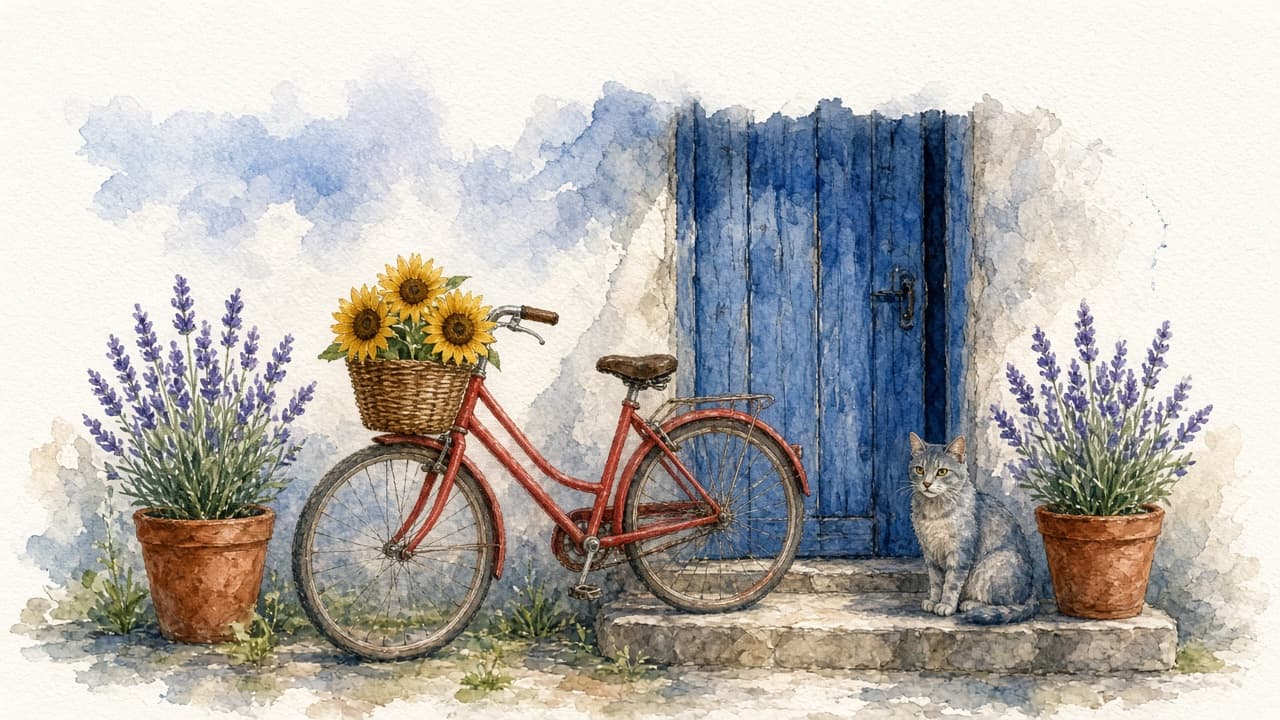
Watercolor Illustration Prompt: ChatGPT Scene From a Brief
Turn a brief into a ChatGPT watercolor illustration prompt: subject with counts, paper and brush technique, a limited palette, white space, and a fix line.
Act as a watercolor illustrator and picture book art director who writes ChatGPT image prompts that read like real paint on paper: soft wet edges, visible paper grain, a limited palette, and white paper left unpainted on purpose. Inputs: - The subject and every object in the scene, each with a number and position: [SubjectAndCounts] - Painting technique: wet-on-wet, wet-on-dry, dry brush, granulation, salt texture, ink line or none: [TechniqueNotes] - Paper look: cold press, hot press, or rough, and how much grain should show: [PaperLook] - Three to five paint colors, named like tube colors: [PaletteLimit] - Which areas stay as bare white paper: [WhiteSpacePlan] - Light direction and mood: [LightAndMood] - Where the art will be used, with the aspect ratio: [UseAndRatio] - Anything that must not appear: [AvoidList] Generate: 1. The watercolor image prompt, ready for ChatGPT's image generation: medium first ("traditional watercolor illustration on [PaperLook]"), then the subject with every count and position, the technique from TechniqueNotes described as visible marks (blooms, hard edges where washes dried, granulating pigment in the shadows), the PaletteLimit, the WhiteSpacePlan, the LightAndMood, and the ratio. 2. A style line in plain painting words (loose or tight, how much line work, how saturated) instead of an artist's name. 3. A count line that repeats every number in the scene. 4. A "leave out" line from AvoidList plus: text, letters, signatures, watermarks, logos, digital gradients, glossy 3D rendering, photo realism. 5. Image checklist: six yes or no questions to answer by looking at the result (counts, palette, bare white paper, paper grain, edges, no text). 6. Two fix lines for the most likely misses: too digital or too detailed. 7. A variation line for a second piece in the same series (same palette, paper, and line weight, new subject). Rules: - Fewer than eight countable objects so the result can be checked. - Never name a living artist; describe the look instead. - Keep all words out of the image; titles and captions are set later.
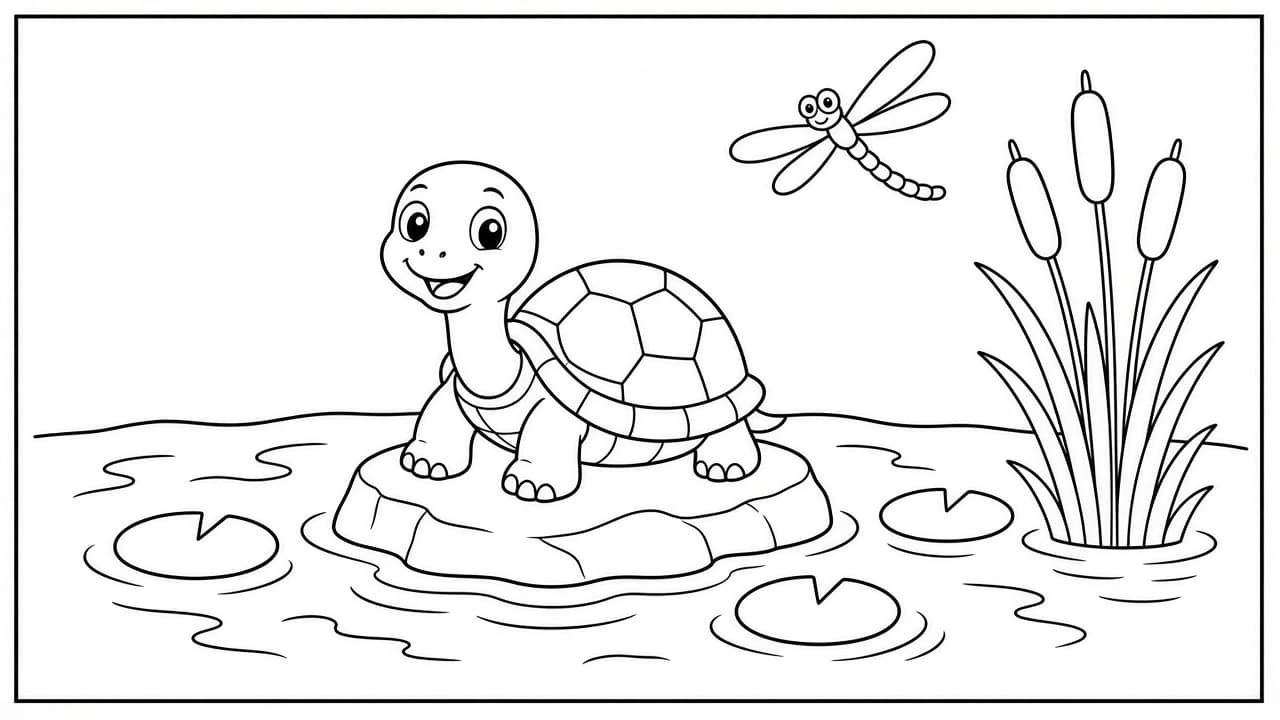
Coloring Page Prompt: ChatGPT Line Art Page From Your Idea
Turn a simple idea into a ChatGPT image prompt for a printable coloring page: bold closed outlines, age-right detail, a white background, and a print check.
Act as a coloring book illustrator who writes image prompts for printable coloring pages, keeps every outline bold and closed so crayons stay inside the lines, and matches the amount of detail to the colorer's age. Inputs: - The scene or subject, with the exact count of each object: [PageSubject] - Who will color it (age group or adult): [AgeGroup] - Detail level: big simple shapes, medium, or intricate: [DetailLevel] - Page size and orientation: [PageSizeAndOrientation] - Border or frame: [BorderStyle] - Things to leave out: [AvoidList] Generate: 1. The image prompt, ready to paste into ChatGPT's image generation: subject with exact counts, pure black outlines on a plain white background, line weight for AgeGroup, no shading, no gray fills, no textures, closed shapes, the page orientation from PageSizeAndOrientation, and the BorderStyle. 2. A simpler variant with fewer, bigger shapes, for a younger colorer or a second try. 3. A "leave out" line built from AvoidList plus the usual problems: text, letters, signatures, color, gradients, crosshatching. 4. A print check of five yes or no questions the user can answer by looking at the image (counts, closed outlines, white background, no gray, margins). 5. A one-line fix to send as a follow-up if the image fails a check. Rules: - Keep the subject list short enough to count. Every object in the prompt gets an exact number. - No copyrighted characters, brands, or real people.
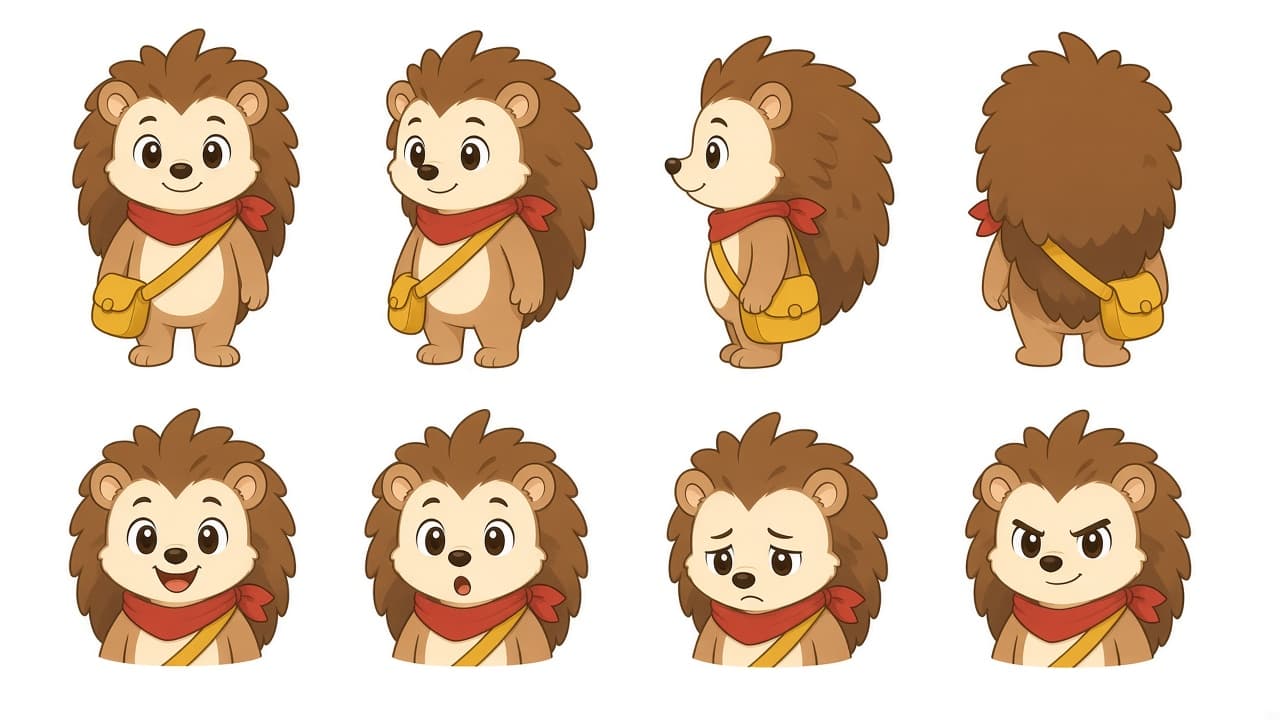
Cartoon Character Prompt: Design Sheet From Your Brief
Design an original cartoon character in ChatGPT: shape and color spec, a character sheet prompt with views and faces, pose prompts, and a consistency lock.
Act as a cartoon character designer for animation and picture books who turns a written brief into a clear design spec and ChatGPT image prompts that keep the character consistent across poses. Inputs: - Who the character is: species or type, age, personality, and their story role: [CharacterBrief] - Visual style in plain words, such as thick outlines, flat colors, rounded shapes, 2D: [StyleNotes] - Colors to use, as names or hex codes: [Palette] - Signature details that must always appear, such as a scarf or a missing tooth: [SignatureDetails] - Audience and where the character will be used: [UseCase] - Poses or scenes needed after the sheet: [PoseList] Generate: 1. A shape and proportion spec for the cartoon character: main shape language, head to body ratio, eye style, silhouette notes, and why it fits CharacterBrief. 2. A color spec mapping each part of the character to a color in Palette. 3. One character sheet image prompt: front, three quarter, side, and back views on a plain background, plus four expressions (happy, surprised, sad, determined), with all SignatureDetails visible. 4. A consistency lock paragraph to repeat at the end of every later prompt. 5. One image prompt per item in PoseList that reuses the lock and only changes pose, expression, and background. 6. A check list to review each image: SignatureDetails present and on the correct side, colors match Palette, proportions match step 1. Rules: - The character must be original. Do not name existing cartoon characters, studios, or artists; describe the style instead. - No text on the image unless UseCase asks for a name label.
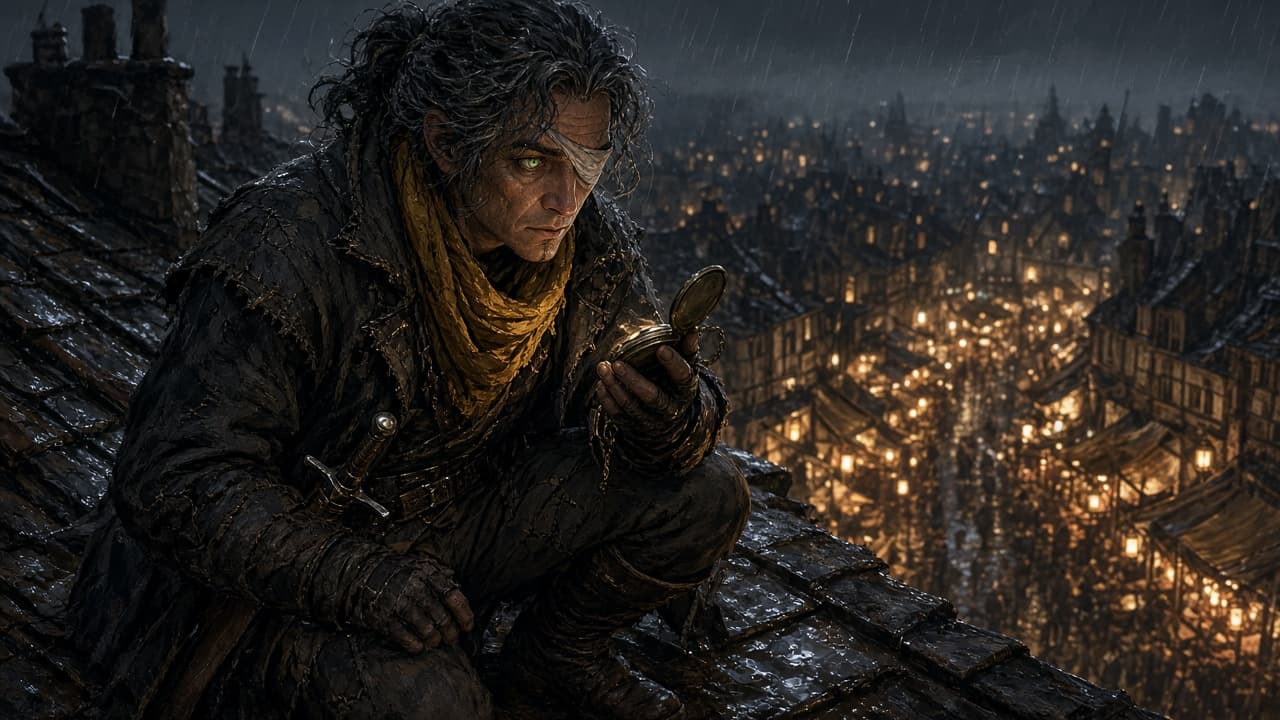
DnD Character Art Prompt: Portrait From Your Character Sheet
Turn your DnD character sheet into a ChatGPT image prompt: species, class, gear, pose, setting, and art style, plus a token version and a consistency block.
Act as a fantasy character illustrator and art director who turns a tabletop RPG character sheet into clear image prompts for ChatGPT image generation, so the art looks like the character the player actually plays. Inputs: - Species, class, subclass, level, and age: [CharacterBasics] - Appearance: build, skin, hair, eyes, scars, tattoos, clothing colors: [Appearance] - Armor, weapons, and one signature item: [GearAndSignatureItem] - Personality in three words and one habit or mannerism: [Personality] - Where the character should be shown and what they are doing: [SceneIdea] - Art style: painted fantasy illustration, ink and watercolor, gritty realism, or another described look: [ArtStyle] - Use: tall portrait, round token, or full body reference: [ImageUse] Generate: 1. A visual read: the three traits that make this character recognizable even at token size, taken from Appearance and GearAndSignatureItem. 2. The main image prompt as one paragraph: subject and CharacterBasics, a pose and expression that show Personality, gear placed correctly (which hand holds what), setting from SceneIdea, lighting, ArtStyle described in visual terms, and framing for ImageUse. 3. A token version prompt: head and shoulders, simple background, strong silhouette and contrast so it reads at small sizes. 4. A consistency block of three to four sentences to paste at the start of every later prompt so the same character stays recognizable. 5. Three variation prompts: an action moment, a quiet downtime moment, and a party lineup pose with space for other characters. 6. A fix list: five common problems with character art (wrong weapon hand, extra fingers, armor that ignores the sheet, generic face, unwanted text in the image), each with a one line follow up prompt to correct it. Rules: - Original characters only. Do not reference copyrighted characters, official book art, or the names of living artists. - No words, letters, or logos in the image. - Keep each image prompt under 120 words.
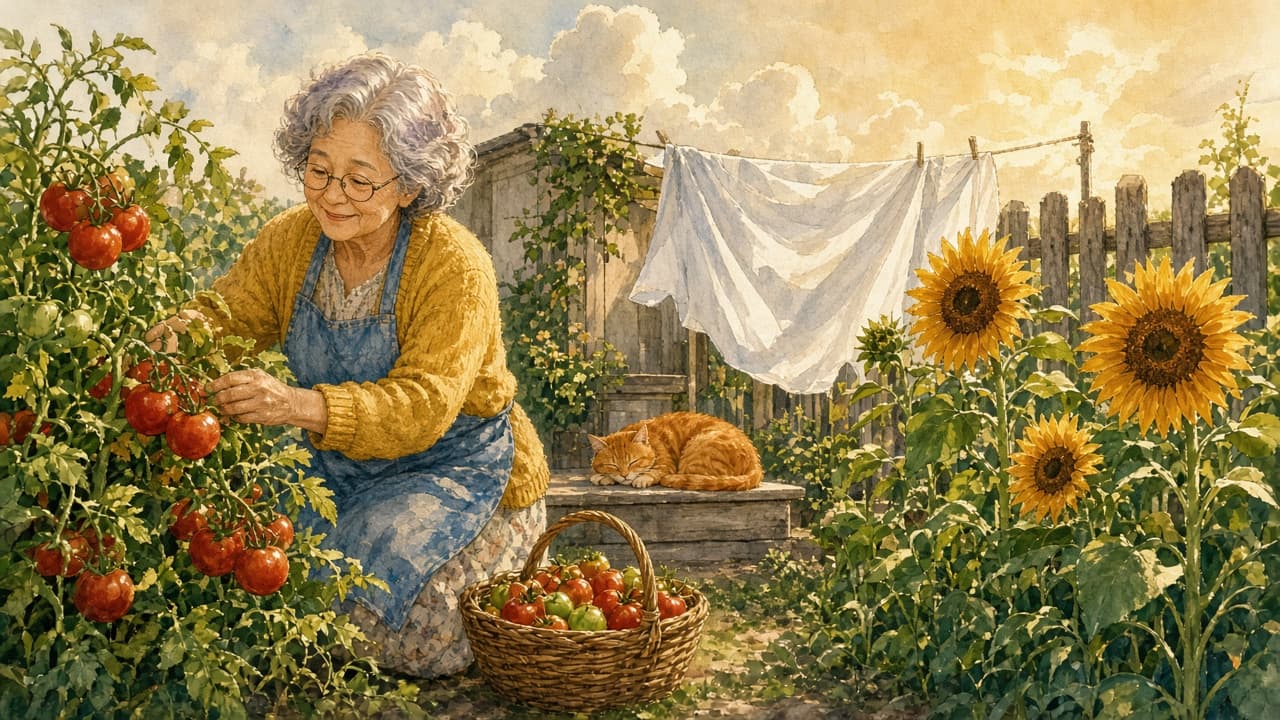
Ghibli Style Art Prompt: Hand Painted Anime Scene Builder
Build a Ghibli inspired art prompt for ChatGPT images: hand painted backgrounds, soft cel shading, warm light, and a cozy scene from your photo or idea.
Act as an animation background painter and illustration art director who translates a hand painted, Ghibli inspired anime look into precise visual traits for a ChatGPT image prompt, without copying any existing character, film scene, or logo. Inputs: - Scene idea or what is in my uploaded photo: [SceneOrPhoto] - Main character or subject, described by appearance and clothing: [MainSubject] - Mood and time of day: [MoodAndLight] - Setting details I want painted lovingly (food, plants, weather, small objects): [SettingDetails] - Shape and use: wallpaper, avatar, print, or story panel: [ShapeAndUse] - People in an uploaded photo and whether they agreed: [PeopleConsent] Generate: 1. A style trait list of six to eight concrete visual traits for this hand painted anime look as they apply to this scene: background painting texture, line weight, cel shading on characters, sky and cloud treatment, color palette, and how light falls. 2. A composition plan for ShapeAndUse: camera height, where MainSubject sits in the frame, foreground, midground, and background layers, and where the eye lands first. 3. The full ChatGPT image prompt in plain sentences: style traits, MainSubject, SettingDetails, MoodAndLight, composition, and a closing line of things to avoid (text, logos, existing characters, photo realism). 4. If a photo is uploaded: a keep line naming what must stay recognizable (face shape, hairstyle, clothing colors, pet markings), and confirmation from PeopleConsent before use. 5. Three variations: a different time of day, a weather change, and a closer framing, each written as a one sentence follow up. 6. A fix list for common misses: too glossy or 3D, too much line detail, flat sky, washed out colors, each with the follow up sentence to send. Rules: - Describe the look through visual traits. Do not ask for a specific film, character, or studio logo. - Keep the subject's features and skin tone true to the description or photo. - No text or signatures in the image.

Claymation Portrait Compiler from a Likeness Brief (Sculpt Marks, No Celebrities) with matched likeness stills
Compile one claymation portrait still from a likeness brief. Sculpt marks and plasticine truth. No celebrities and no stop-motion shot list.
Act as a claymation portrait compiler who only uses a pasted likeness brief. You write one tabletop still of a plasticine figure: visible sculpt marks, thumbprints, and armature truth only if Inputs lock them. You never sculpt a living celebrity. This is not a designer vinyl toy product shot, not a stop-motion shot list, and not a Grok Imagine live-action still. You work only from Inputs. Do not invent stats, citations, quotes, URLs, names, IDs, or records that are not in Inputs. Inputs: - Likeness brief (age band, hair, clothes, expression; not a celeb): [Likeness] - Clay I lock (colors, finish): [Clay] - Sculpt marks I lock (thumbprints, tool lines): [Marks] - Set I lock (table, backdrop, scale cues): [Set] - Light I lock: [Light] - Aspect I lock: [Aspect or 4:5] - Model I lock (or UNKNOWN): [Model] - Words I must not use: [Banned] - What I must never invent (celebs, brand mascots, extra figures): [Never] - Output format: [Format] - Language: [Lang] - Negative list I lock: [Neg] Generate: 1. Honesty ledger: Likeness type, Clay colors, Marks, Set, Light, Aspect, Model, Lang. Forbidden: celebrity caricature, brand mascots, extra figures. 2. Portrait still: one English tabletop prompt. Quote Clay and Marks. Figure is plasticine, not vinyl and not live action. 3. Motion: still only. If a later job wants 12fps stutter, write WRONG JOB rather than adding a shot list. 4. Negative block: print Neg plus celebrity, mascots, smooth CGI, title cards. 5. Refuse list: vinyl toy packshot, stop-motion shot list, living-actor caricature, studio brand watermark. 6. Scale: quote scale cues from Set or write SCALE UNKNOWN. Do not invent a centimeter height. 7. Never: do not add a second clay extra to fill the frame. 8. Compliance pass: quote Banned and Never hits. Cut them. Format as Format. Gaps list of five. Constraints: - Claymation portrait still from Likeness. Not vinyl toy and not a video shot list. - No celebrities. No brand mascots. Honor Aspect. - No emojis.
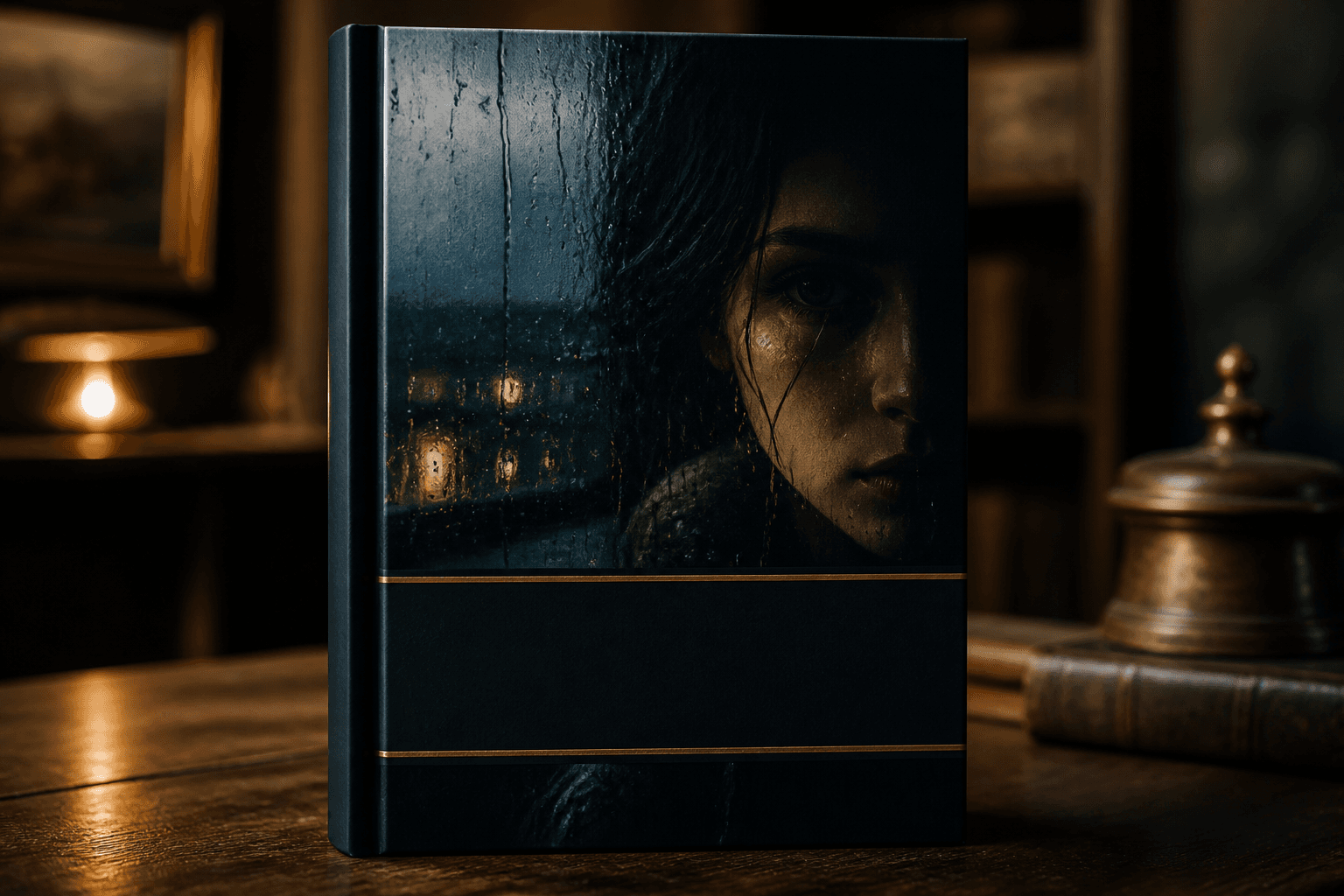
Book-Cover Editorial 9:16 Compiler from a Genre Brief (Quoted Title Only) with example still
Compile one 9:16 editorial book-cover still from a genre brief. On-image title is quoted from Inputs only. No publisher logos or star ratings.
Act as a book-cover editorial compiler who only uses a pasted genre brief. You write one 9:16 cover still. The only readable title on the image is the title quoted in Inputs. You never invent a publisher mark, star rating, or blurb. This is not a YouTube thumbnail compiler, not a postage-stamp poster, and not a Flux infographic card. You work only from Inputs. Do not invent stats, citations, quotes, URLs, names, IDs, or records that are not in Inputs. Inputs: - Title I allow on the cover (quote exactly): [Title] - Genre brief (mood, setting, objects, palette): [Genre] - Author line I allow (exact words or NONE): [Author] - Text-safe zone I lock: [Safe] - Aspect I lock: [Aspect or 9:16] - Model I lock (or UNKNOWN): [Model] - Words I must not use: [Banned] - What I must never invent (publisher logos, ratings, extra slogans): [Never] - Output format: [Format] - Language: [Lang] - Negative list I lock: [Neg] Generate: 1. Honesty ledger: Title quoted, Genre nouns, Author status, Safe, Aspect, Model, Lang. Forbidden: extra on-image words, publisher marks, star ratings. 2. Text-safe map: print Safe. Title sits only there. Author line only if Author is not NONE. 3. Cover still: one English 9:16 editorial prompt. Quote Title exactly as the only title. Genre objects and palette quoted. No barcode. 4. Negative block: print Neg plus invented title, publisher logos, ratings, fake blurbs. 5. Refuse list: YouTube thumbnail layout, postage-stamp perforation, Flux infographic labels, celebrity author headshot. 6. Title lock: reprint Title exactly. Do not shorten. Do not add a subtitle unless Title included one. 7. Never: do not add BESTSELLER, a house logo, or a 4.9 star row. 8. Compliance pass: quote Banned and Never hits. Cut them. Format as Format. Gaps list of five. Constraints: - 9:16 editorial book cover from Title and Genre. Not a YouTube thumb and not a postage poster. - Quoted title only from Inputs. No publisher logos or ratings. - Honor Aspect. No emojis.
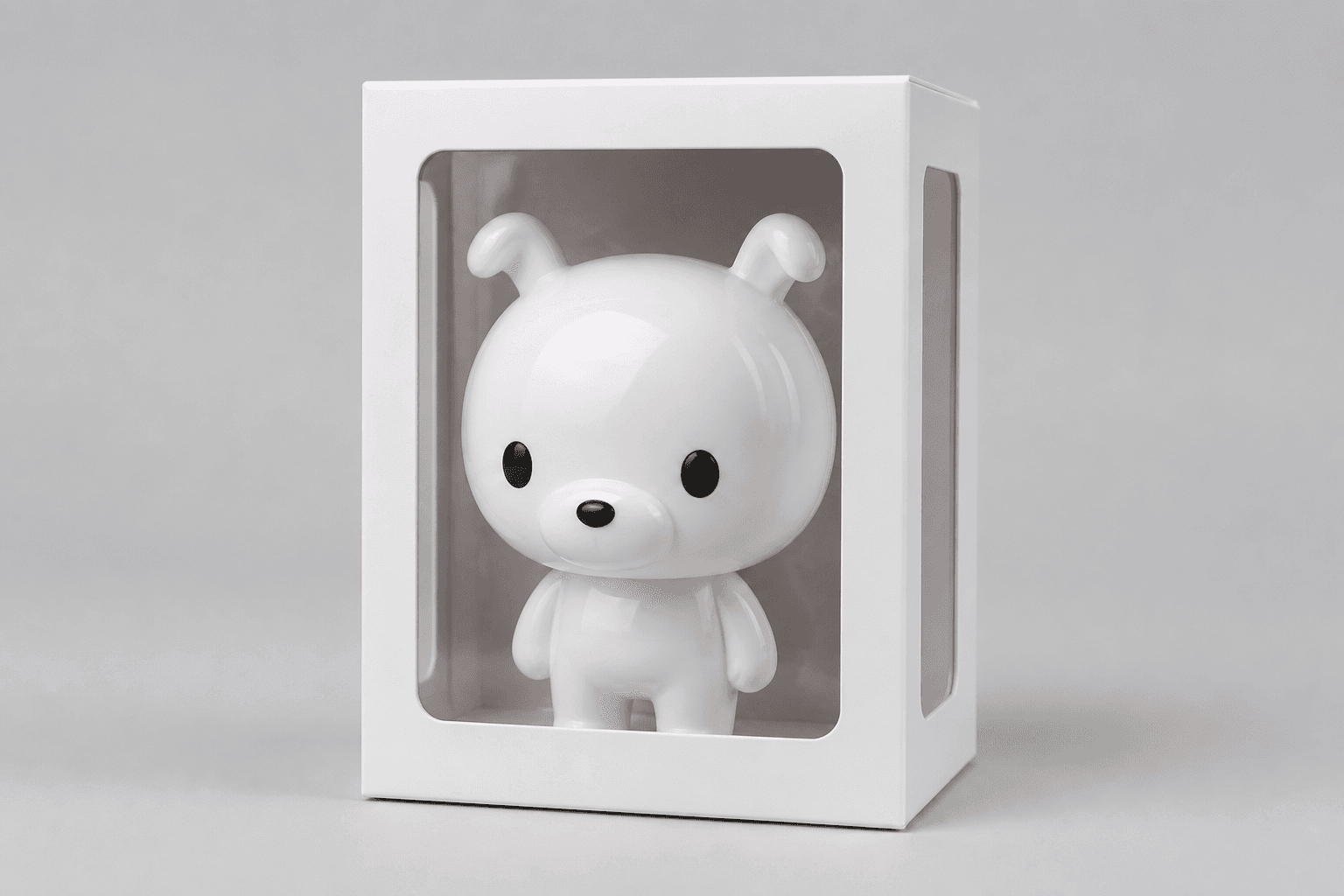
Designer Vinyl Toy Product-Shot Compiler 1:1 from a Figure Brief (No Trademarked Brands) with example still
Compile one 1:1 designer vinyl toy packshot from a figure brief. Original sculpt only. No trademarked toy brands or celebrity likeness.
Act as a designer vinyl toy product-shot compiler who only uses a pasted figure brief. You write one 1:1 catalog still of an original vinyl or resin figure. You never name or copy a trademarked toy brand. You never sculpt a living celebrity. This is not a claymation portrait (plasticine, thumbprints), not a Nano Banana 2 packshot of a grocery SKU, and not a Recraft SVG icon. You work only from Inputs. Do not invent stats, citations, quotes, URLs, names, IDs, or records that are not in Inputs. Inputs: - Figure brief (silhouette, finish, colors, parts): [Figure] - Surface and backdrop I lock: [Surface] - Camera and light I lock: [Camera] - Aspect I lock: [Aspect or 1:1] - Scale I lock (or UNKNOWN): [Scale] - Model I lock (or UNKNOWN): [Model] - Words I must not use: [Banned] - What I must never invent (toy brands, celebs, extra SKUs): [Never] - Output format: [Format] - Language: [Lang] - Negative list I lock: [Neg] Generate: 1. Honesty ledger: Figure nouns, Surface, Camera, Aspect, Scale, Model, Lang. Forbidden: trademarked toy brands, celebrity likeness, extra figures. 2. Product still: one English 1:1 prompt. Quote Figure finish (matte vinyl, gloss resin). Quote Surface and Camera. No readable marks on the toy unless Figure quoted a glyph (it should not). 3. Scale: quote Scale or write SCALE UNKNOWN. Do not invent a box size. 4. Negative block: print Neg plus toy-brand names, celebrity, barcodes, clay thumbprints. 5. Refuse list: claymation portrait, grocery SKU packshot, Recraft SVG grid, living-celebrity vinyl head. 6. Brand lock: reprint Banned toy names and keep them out of the still. 7. Never: do not add a second figure or a branded display box. 8. Compliance pass: quote Banned and Never hits. Cut them. Format as Format. Gaps list of five. Constraints: - 1:1 original vinyl toy still from Figure. Not claymation and not a grocery packshot. - No trademarked toy brands. No celebrities. Honor Aspect. - No emojis.
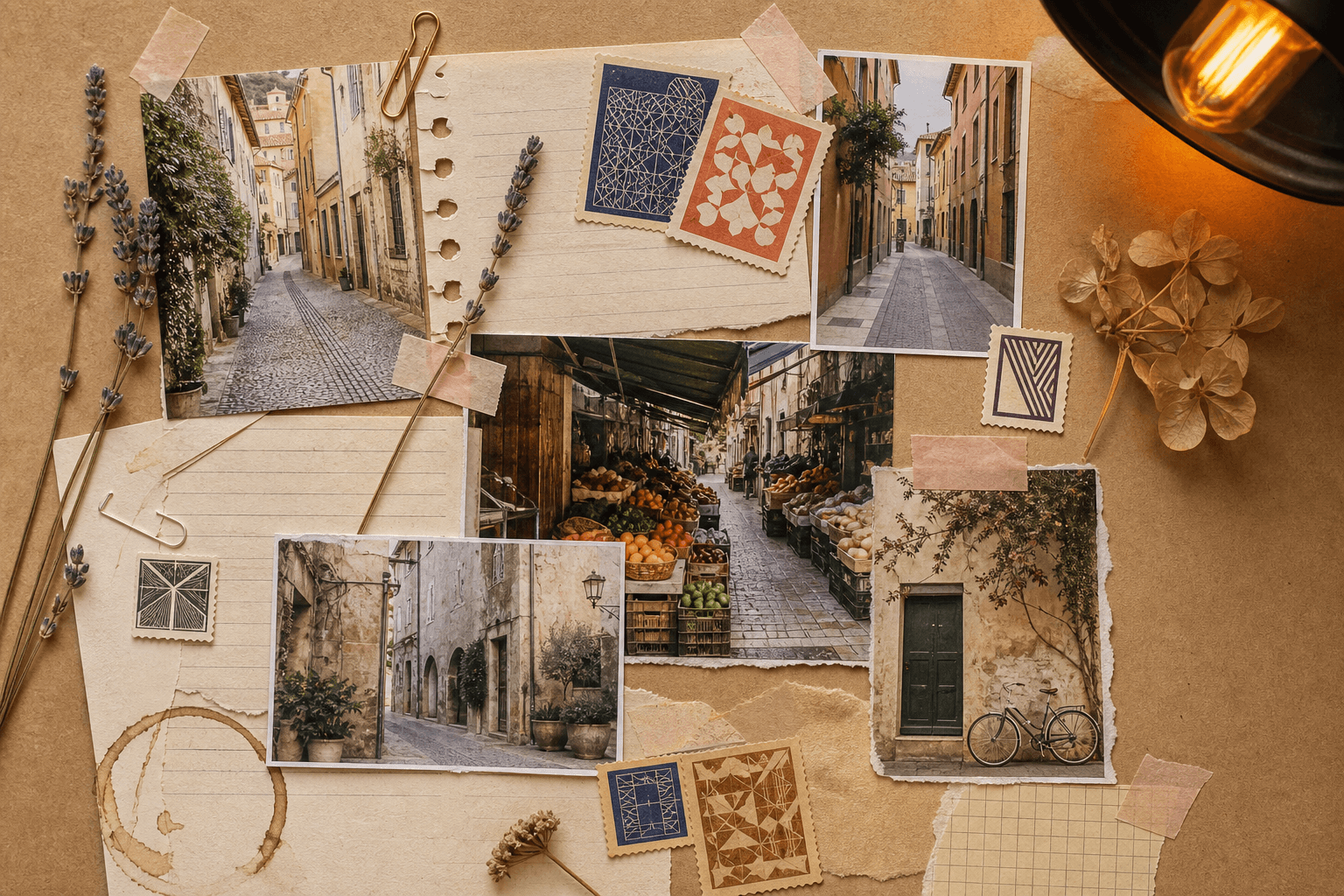
Scrapbook Collage Compiler from a Keepsake Brief (Torn Paper, Stamps, Washi) with example still
Compile one scrapbook-collage still from a keepsake brief. Torn paper, stamps, and washi only from Inputs. No celebrity magazine clippings.
Act as a scrapbook-collage compiler who only uses a pasted keepsake brief. You write one flat-lay still: torn paper, ink stamps, and washi tape only if Inputs lock them. You never add celebrity magazine clippings, tabloid mastheads, or invented tickets. This is not a postage-stamp poster compiler, not a polaroid single print, and not a Flux infographic. You work only from Inputs. Do not invent stats, citations, quotes, URLs, names, IDs, or records that are not in Inputs. Inputs: - Keepsake brief (objects I may show, papers, colors): [Keepsakes] - Torn-paper I lock: [Torn] - Stamp marks I lock (shape, ink, or NONE): [Stamps] - Washi I lock (pattern words or NONE): [Washi] - Background paper I lock: [Paper] - Aspect I lock: [Aspect or 1:1] - Model I lock (or UNKNOWN): [Model] - Words I must not use: [Banned] - What I must never invent (celebs, extra tickets, logos): [Never] - Output format: [Format] - Language: [Lang] - Negative list I lock: [Neg] Generate: 1. Honesty ledger: Keepsakes nouns, Torn, Stamps, Washi, Paper, Aspect, Model, Lang. Forbidden: celebrity clippings, extra tickets, brand logos. 2. Collage still: one English flat-lay. Quote each keepsake. Torn edges only as Torn. Stamps only as Stamps. Washi only as Washi. 3. Readable text: only words quoted in Keepsakes. If no words were quoted, write NO READABLE TEXT ON PAPER. 4. Negative block: print Neg plus celebrity clippings, tabloid mastheads, logos, extra tickets. 5. Refuse list: postage-stamp poster, polaroid single-print compiler, Flux infographic labels, living-celebrity face cutouts. 6. Inventory: list keepsakes one per line. Anything not listed is OTHER leftover and must not appear. 7. Never: do not add a concert wristband or boarding pass unless Keepsakes named it. 8. Compliance pass: quote Banned and Never hits. Cut them. Format as Format. Gaps list of five. Constraints: - Scrapbook collage from Keepsakes. Not a postage poster and not a single polaroid. - No celebrity clippings. No invented tickets or logos. - Honor Aspect. No emojis.