How to Use the HOA Architectural Review Application Prompt to Get Your Fence, Deck, or Shed Approved on the First Submission
Prepare a homeowner's architectural modification request for an HOA or ARC before building a fence, deck, solar array, shed, or paint change: match the project to the CC&R and design guideline sections, write a scope and materials sheet the committee can approve on first read, list site plan details, draft a neighbor acknowledgment, and answer conditions or a denial.
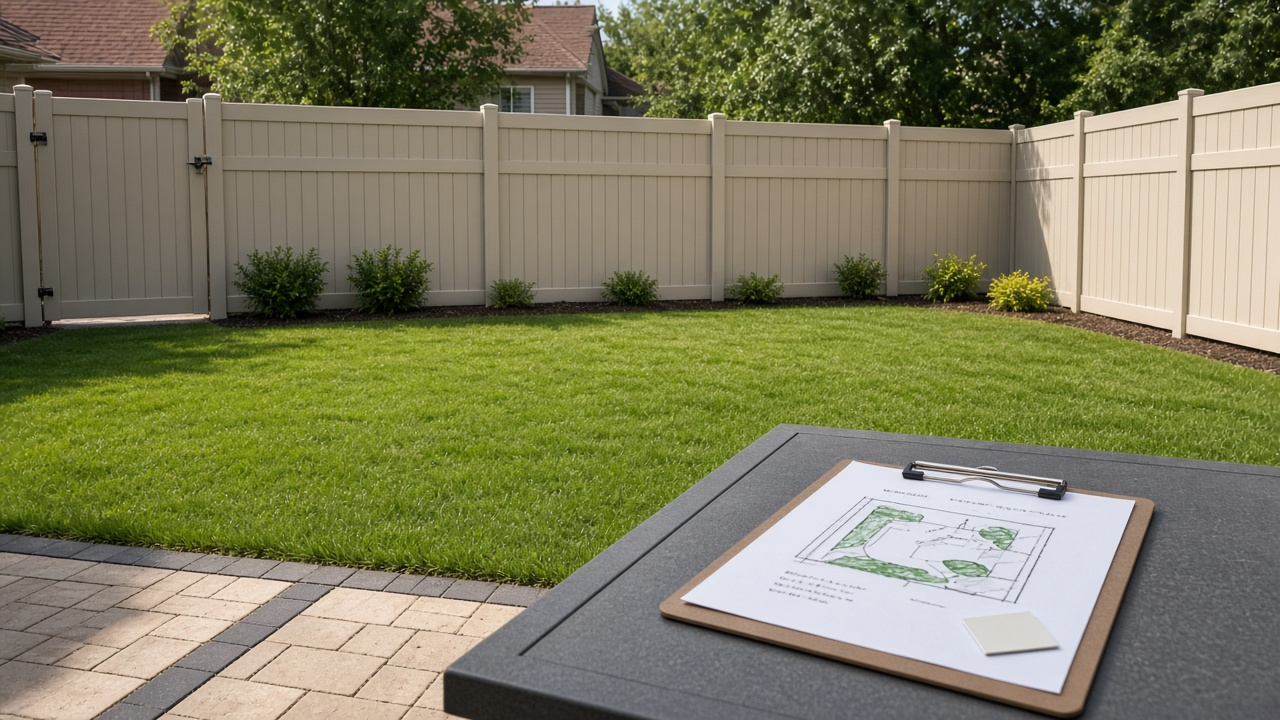
Most homeowners associations require written approval before you change the outside of your home. The application itself is rarely hard. What slows it down is a package missing dimensions, a color that is not on the approved list, or a request that ignores the exact wording of the design guidelines. The HOA Architectural Review Application Writer: Covenant and Design Guideline Citations, Scope and Materials Sheet, Site Plan Notes, Neighbor Acknowledgment, and a Conditional Approval Response prompt builds the whole package from the community's own rules, so the committee can approve it at the next meeting instead of asking for more.
What the prompt produces
- A guideline match table placing each requirement next to how your project meets it, with gaps flagged.
- A scope and materials sheet with dimensions, locations from property lines, materials, colors with codes, and dates.
- Site plan notes telling you what to draw on a copy of your plat.
- A neighbor acknowledgment that shows neighbors the plan without implying they have a veto.
- A cover letter that cites guideline sections by number and lists the exhibits.
- A point by point response to conditions or a denial, if you already received one.
- A state law note for projects some states protect, like solar panels.
How to fill the inputs
Project is what you plan to build: type, size, location on the lot, and the contractor if you hired one.
GuidelineText is the most important input. Paste the CC&R article and design guideline sections exactly as written. The prompt works only from the text you give it.
Materials lists products, colors, and color codes or sample names. Committees approve specific colors, not "tan."
LotFacts come from your plat or survey: setbacks, easements, whether you are on a corner, and what is visible from the street.
FormRules covers the HOA's form, fee, deadline before the monthly meeting, and how many copies to submit.
CommitteeResponse is for any letter you already received. Leave it blank for a first submission.
State lets the prompt flag when state law may limit what the HOA can require.
Reading the example output
The example prepares a request to replace a chain link fence with a six foot vinyl privacy fence:
- The match table checks every rule. Height, location behind the front building line, material, and finished side all meet the guidelines. The color needs one confirmation against the approved list.
- A hidden problem is caught. A ten foot utility easement runs along the rear line, and fences there may have to come out if the utility needs access. The prompt tells the homeowner to ask and to mark it on the plan.
- The scope sheet speaks the committee's language: linear feet, panel height, gate size, color name, and schedule.
- The neighbor form is honest. It confirms the neighbor saw the plan and says plainly that their signature is not required for approval.
- The cover letter cites sections by number and promises no work before written approval.
Tips for better results
- Get the current guidelines from the management company. Old copies cause denials.
- Bring a physical color sample or product photo. Many committees ask for one.
- Submit well before the deadline. A complete package that arrives early is easier to approve.
- Call 811 or your local utility locator before digging, and mention it in the scope sheet.
- If you get conditions, accept the reasonable ones in writing. It is usually faster than a hearing.
Mistakes to avoid
- Do not start work before you have written approval, even if a board member says it looks fine.
- Do not paraphrase the guidelines. Quote them so the match table is accurate.
- Do not skip the site plan. A hand drawn plan to scale is usually enough, but no plan is rarely accepted.
- Do not treat the prompt as legal advice. Fines, liens, and disputes go to an attorney.
Who it is for
Homeowners planning fences, decks, patios, sheds, solar, paint changes, or landscaping; contractors who submit applications for clients; and committee members who want a sample of what a complete package looks like.
Related PromptDig links
Open the HOA Architectural Review Application Writer: Covenant and Design Guideline Citations, Scope and Materials Sheet, Site Plan Notes, Neighbor Acknowledgment, and a Conditional Approval Response prompt and paste your project details and guideline text. For more home and everyday prompts, Browse more prompts. If you have a home improvement prompt that saved you time, Share a prompt.