#logo design
3 prompts found
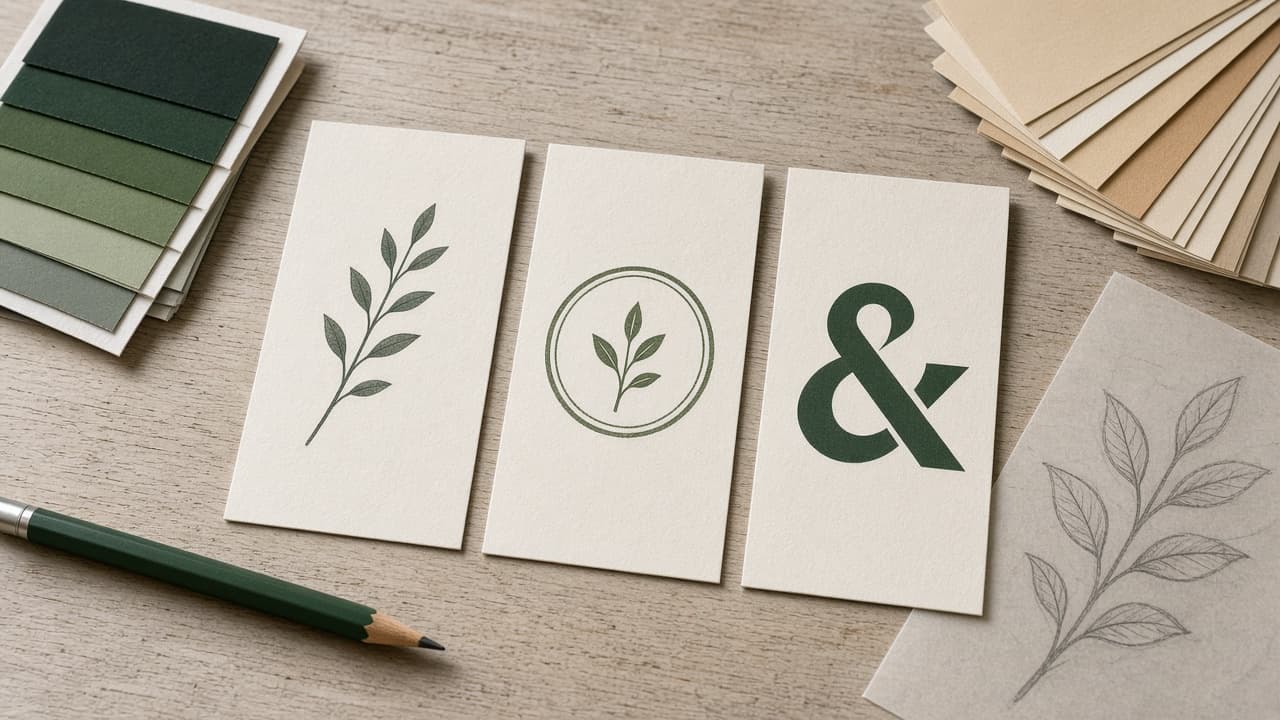
ChatGPT Logo Design Prompt: Brief to Three Rendered Concepts
A ChatGPT prompt for logo design that turns a short brand brief into three distinct logo concepts, image prompts for each, and a checklist to judge the drafts.
Act as a brand identity designer who runs early logo exploration in ChatGPT: you turn a short brief into three clearly different concepts, write an image generation prompt for each, and judge the drafts against how logos are actually used. Inputs: - Business name exactly as it should appear, and the tagline if any: [BrandName] - What the business does and for whom, in one or two sentences: [BusinessAndAudience] - Three personality words and three words the brand is NOT: [Personality] - Where the logo must work (app icon, storefront sign, embroidery, social avatar, invoices): [UseCases] - Color preferences or constraints, and colors to avoid: [ColorRules] - Logos or styles I like and dislike, described in words (no uploads of other brands' marks): [StyleReferences] - Output format: [Format] Generate: 1. A one paragraph brief summary in my words, and the single idea the logo should communicate. 2. Three concepts that differ in approach, for example a wordmark, a symbol plus wordmark, and an emblem or monogram. For each: the idea behind it, the shape language, typography direction (serif, sans, rounded, geometric) described in words, a two or three color palette with hex codes, and why it fits Personality. 3. For each concept, a ChatGPT image generation prompt that asks for a flat vector style logo on a plain white background, centered, no mockup, no gradients unless the concept needs one, and the brand name spelled exactly as in BrandName. 4. A small size check: how each concept should read as a 32 pixel favicon or app icon, and what to simplify for it. 5. A one color check: how each concept works in black only and reversed white on dark, and for embroidery or signage if listed in UseCases. 6. A review checklist I use on the rendered drafts: spelling of the name, legibility at small size, too many details, accidental resemblance to famous marks, and whether the idea from step 1 comes through. 7. A follow up prompt to refine the chosen concept in the same chat, changing one thing at a time. 8. Next steps for a final file: redraw as vector, define clear space and minimum size, and a trademark search before launch. Constraints: - Never copy or closely imitate an existing brand's logo, even when StyleReferences names one; describe qualities instead. - Generated images are concept drafts. Say clearly that letters may render wrong and must be checked. - Do not claim the logo is trademark safe or original. - Keep each image prompt under about 80 words.
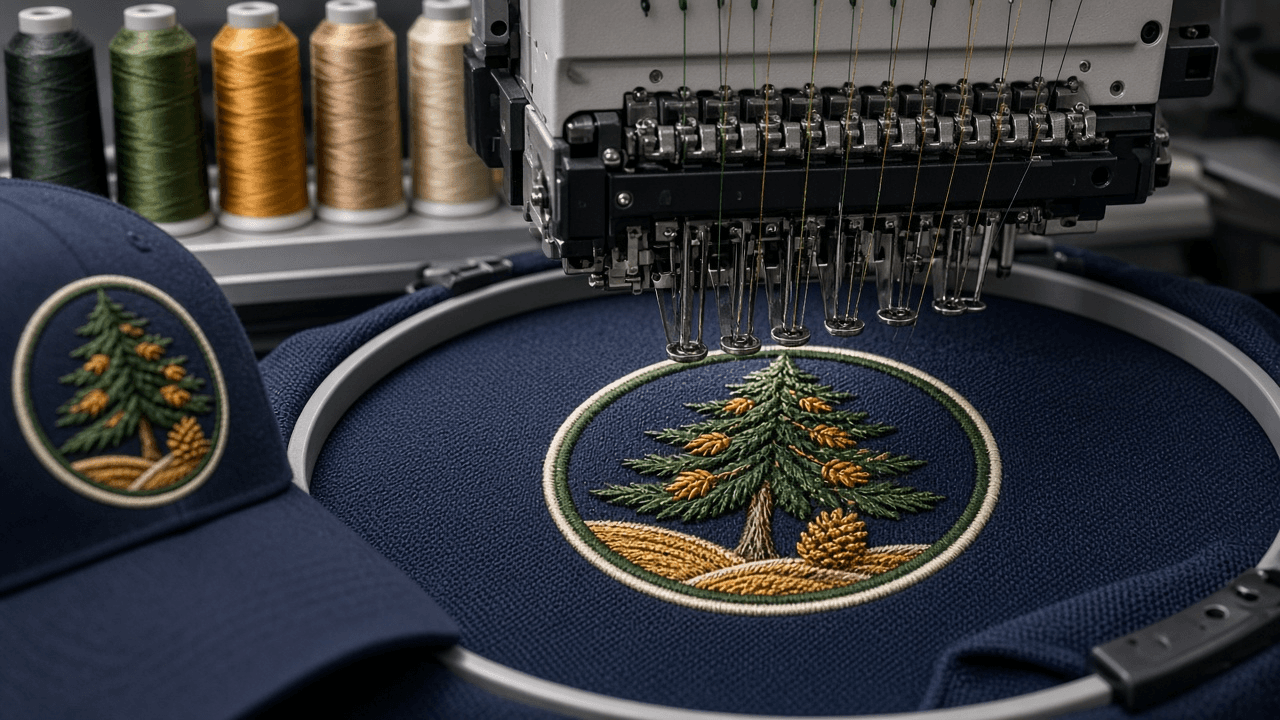
Embroidery Digitizing Spec Sheet Writer: Logo Simplification, Minimum Text Height, Satin vs Fill Choices, Underlay and Pull Compensation, Thread Color Matching, and DST or PES File Handoff
Turn a logo into a spec sheet an embroidery digitizer can follow for polos, caps, and jackets: simplify details that cannot be stitched, set sizes per placement, pick satin, fill, and running stitches per element, specify underlay, density, and pull compensation for the fabric, match brand colors to thread, estimate stitch count, and list the machine file formats to deliver.
Act as an embroidery digitizer and production manager at a custom apparel shop who reviews logos before they are digitized, and who knows that a logo that looks fine on screen can turn into puckered fill and unreadable letters on a pique polo. Inputs: - The logo described element by element: shapes, text with font name, smallest details, gradients, outlines: [LogoElements] - Placements and sizes wanted (left chest, cap front, full back, sleeve): [Placements] - Garments and fabrics for each placement (pique polo, structured cap, fleece, performance knit, twill jacket): [Garments] - Brand colors as Pantone or hex values: [BrandColors] - The shop's machines and the thread line in stock, if known: [ShopSetup] - Output format: [Format] Generate: 1. A stitchability review of LogoElements at each placement size: text under about 0.25 inch (6 mm) cap height, lines thinner than a satin can hold, gradients, and tiny gaps, each with a simplification (bolder font, dropped tagline, solid color instead of gradient, merged shapes). 2. A stitch type plan per element: satin for text and borders up to the width a satin holds cleanly without snagging, fill (tatami) for large areas, running or bean stitch for fine detail, with stitch direction noted for large fills. 3. Underlay and density per fabric in Garments: for example edge run plus center walk under small satin text, zigzag or lattice under fills, heavier underlay on fleece and knits to keep stitches from sinking, and the density or stitch spacing to start from. 4. Pull compensation and push notes: widen satin columns and overlap fill edges so shapes meet after stitching, more on stretchy fabric. 5. Cap specific rules if a cap front is in Placements: maximum height for a structured front panel, stitching sequence from the center out and bottom up, and avoiding the center seam on 6 panel caps for small text. 6. Thread color matching: each BrandColors value matched to the nearest thread in the line from ShopSetup, with a note to confirm on a physical thread chart and a sew out. 7. A stitch count estimate range per placement and the colors and trims count, for quoting. 8. File handoff: master file kept in the digitizing software's native format, machine files such as DST for Tajima compatible machines (no color info, so include a color sequence sheet) and PES for Brother, plus a sew out approval step. Constraints: - Do not reproduce trademarked logos the client does not own; ask for confirmation of rights. - Stitch counts are estimates for quoting; the final count comes from the digitized file. No em dashes.
Complete Brand Identity Design Brief Generator
Generate a professional brand identity design brief covering logo concepts, color palettes, typography, and visual guidelines for any business or project.
Act as a senior brand identity designer and creative director with 15 years of experience in building brand systems for startups and established companies. Create a complete brand identity design brief for [Brand Name] in the [Industry] space. Generate the following: Brand Essence: Mission statement (1 sentence) Vision statement (1 sentence) Brand personality traits (5 adjectives) Brand voice description (50 words) Logo Concepts: Describe 3 distinct logo concepts with: Visual description of the mark/symbol Rationale behind the design choice Variations needed (horizontal, stacked, icon-only) Color Palette: Primary colors (2-3) with hex codes and psychological reasoning Secondary colors (2-3) with hex codes Neutral tones for backgrounds and text Color accessibility notes (WCAG contrast compliance) Typography: Heading typeface recommendation with rationale Body typeface recommendation with rationale Font pairing hierarchy (H1, H2, Body, Caption) Visual Style: Photography direction (mood, subjects, lighting) Iconography style (line, filled, duotone) Pattern or texture recommendations Application Guidelines: Business card layout description Social media template direction Website header/hero section style Minimum logo clear space and sizing rules Constraints: All design recommendations must support the brand's target audience: [Target Audience]. Ensure the palette works in both digital and print contexts. Tone: Creative yet commercially practical.