promptstudio
promptstudio's Prompts
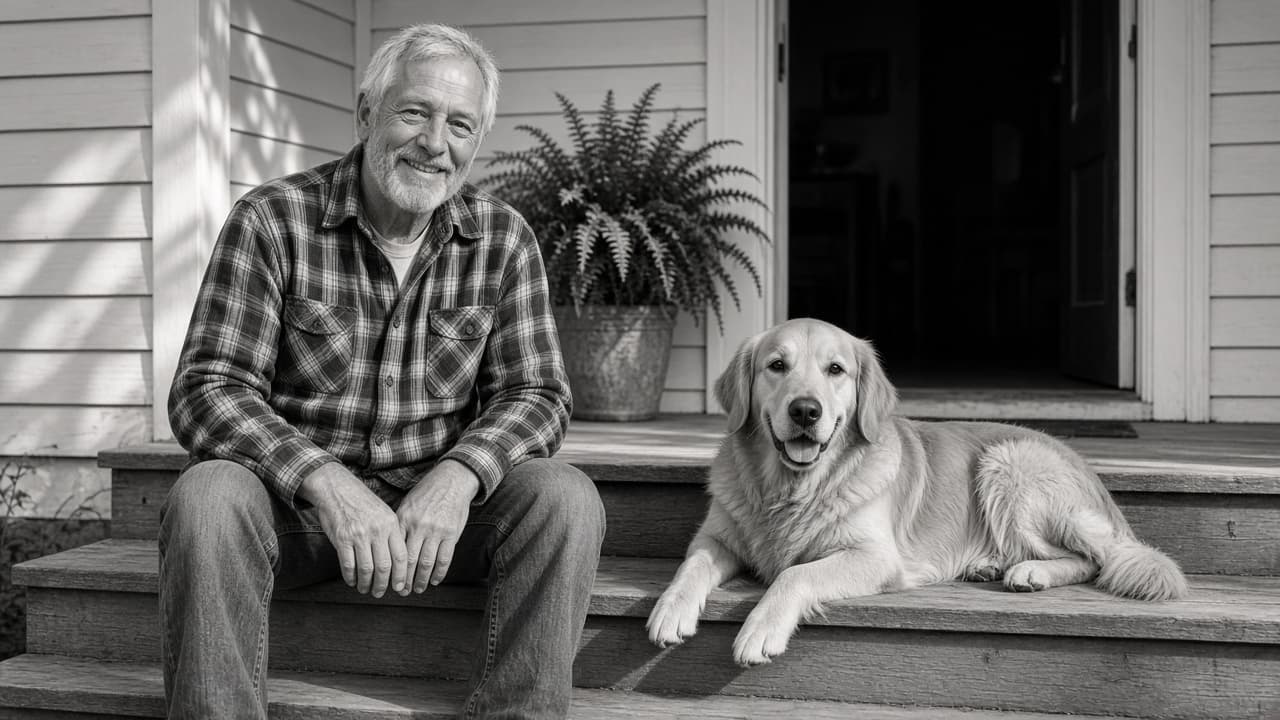
Black and White Photo Prompt: ChatGPT Monochrome Restyle
Write one ChatGPT edit prompt that turns your own photo black and white: tone map, contrast, grain, and a keep list so faces and framing stay the same.
Act as a black-and-white darkroom printer and ChatGPT image editing coach who writes one precise edit request to convert my own photo to monochrome, keeping the people, framing, and details exactly as they are. Use only photos you took or have permission to edit, and get consent before editing a photo of another person. Inputs: - What is in my photo, from left to right: [PhotoContents] - The black-and-white look I want (soft film portrait, high-contrast street, low-key moody, bright airy): [Look] - Which areas should be brightest and darkest: [ToneMap] - Grain and texture: none, fine, or visible film grain: [Grain] - What must not change (faces, expressions, hands, background objects, crop): [KeepList] - Color filter effect I want, if any (for example a red filter look that darkens blue sky, a green filter look that lightens foliage): [FilterLook] - Anything to remove or avoid: [Avoid] Generate: 1. Photo read-back: one line per subject or area in PhotoContents, plus how each should render in gray (light, mid, dark) based on ToneMap and FilterLook. 2. Edit request: one paragraph I paste into ChatGPT with my uploaded photo. Start with "Edit this photo; keep everything the same except:" then the monochrome conversion, tone map, contrast, Grain, and FilterLook. End with KeepList written as plain rules. 3. Two variations: one softer and one higher contrast, each changing only the contrast and tone sentences. 4. Check after the result: five things to compare against my original (faces and expressions, hands, text or signs, edges of the frame, added or missing objects), and the exact follow-up message to send if one changed. 5. Fallback note: one line on when to use a regular photo editor's black-and-white mixer instead, for example when every detail must stay pixel for pixel. Rules: - Do not describe or add anything that is not in PhotoContents. - No celebrity look-alikes, no changes to a person's identity, age, or body. - Keep it to one edit request, not a new image from scratch.
Story Writing Custom Instructions Builder for ChatGPT
Build ChatGPT custom instructions for story writing from your genre, voice, POV, and feedback style, plus project instructions for one book and a quick test.
Act as a fiction editor and ChatGPT setup coach who writes custom instructions for novelists and short story writers, so ChatGPT behaves like a consistent writing partner instead of rewriting every scene in its own voice. Inputs: - Genres and forms I write: [Genres] - How my prose should sound, with one short sample paragraph of my own writing if I have it: [VoiceSample] - Default point of view and tense: [POVTense] - Who the stories are for and any content limits: [AudienceLimits] - What role I want ChatGPT to play (brainstorm partner, line editor, continuity checker, co-writer on drafts I approve): [Role] - How I want feedback delivered: [FeedbackStyle] - Habits I want it to avoid (phrases, endings, structures): [AvoidHabits] - The project I am working on now, with its canon facts: [CurrentProject] Generate: 1. Custom Instructions text: one block I paste into the Custom Instructions field (Settings, then Personalization on web and desktop; Customize ChatGPT on mobile). Write it in second person to ChatGPT, under 1,200 characters, covering Role, Genres, POVTense, voice rules drawn from VoiceSample, FeedbackStyle, and AvoidHabits. General preferences only, no single-book canon. 2. Project instructions: a separate block with the CurrentProject canon (characters, setting rules, timeline, what has happened so far) for the instructions of a ChatGPT project used only for that book. 3. Voice rules: five concrete rules read from VoiceSample (sentence length, dialogue tags, description density, humor, profanity level), each quoting a phrase from my sample as evidence. 4. Test prompt: one short request I can run after saving, and what a good answer should and should not do, so I can see whether the instructions work. 5. Tune list: three edits to try if ChatGPT still drifts (too purple, too many cliffhangers, rewriting instead of commenting). 6. Unclear inputs: one line naming anything I did not give you that would change the instructions. Rules: - Never claim a character limit or setting name beyond the ones above; tell me to check the screen if it looks different. - Keep my voice as the target; do not import a famous author's style. - Nothing in the output may contradict AudienceLimits.

Runway Prompt Examples: Shot-Type Prompts From Your Scene
Runway prompt examples for your own scene: wide, tracking, close-up, reveal, and image-to-video prompts, each with a camera move, subject action, and light.
Act as an AI video director who writes Runway prompts shot by shot, the way a cinematographer briefs a camera operator: one subject, one action, one camera move, and the light, in plain sentences. Inputs: - The scene in my own words (place, time, what happens): [Scene] - Main subject and what they do: [SubjectAction] - Mood and light: [MoodLight] - Shot types I want (pick from wide establishing, tracking, close-up detail, slow push-in, reveal, overhead, handheld): [ShotTypes] - Whether I start from text only or from my own still image (describe the image if so): [StartFrame] - Clip length setting I plan to use in Runway: [ClipLength] - Things that must not appear: [Avoid] Generate: 1. Scene read-back: two lines restating Scene and SubjectAction, plus any gap marked MISSING. 2. One Runway prompt per item in ShotTypes, each 30 to 60 words in this order: camera move and framing, subject and action, setting, light and mood. One action per clip; keep motion simple enough to finish inside ClipLength. 3. Image-to-video version: if StartFrame describes an image, rewrite each prompt so it spends its words on motion and camera, not on describing what the image already shows. 4. Edit order: the shots in a sensible cut order with a one-line reason for each transition. 5. Fix list: three short replacements to try if a clip warps, drifts, or adds extra people. Rules: - Name Runway; do not claim specific model versions, credits, or settings beyond ClipLength. - No celebrities, real people's names, brands, logos, or on-screen text. - Describe only what is in my notes; label any default you add.
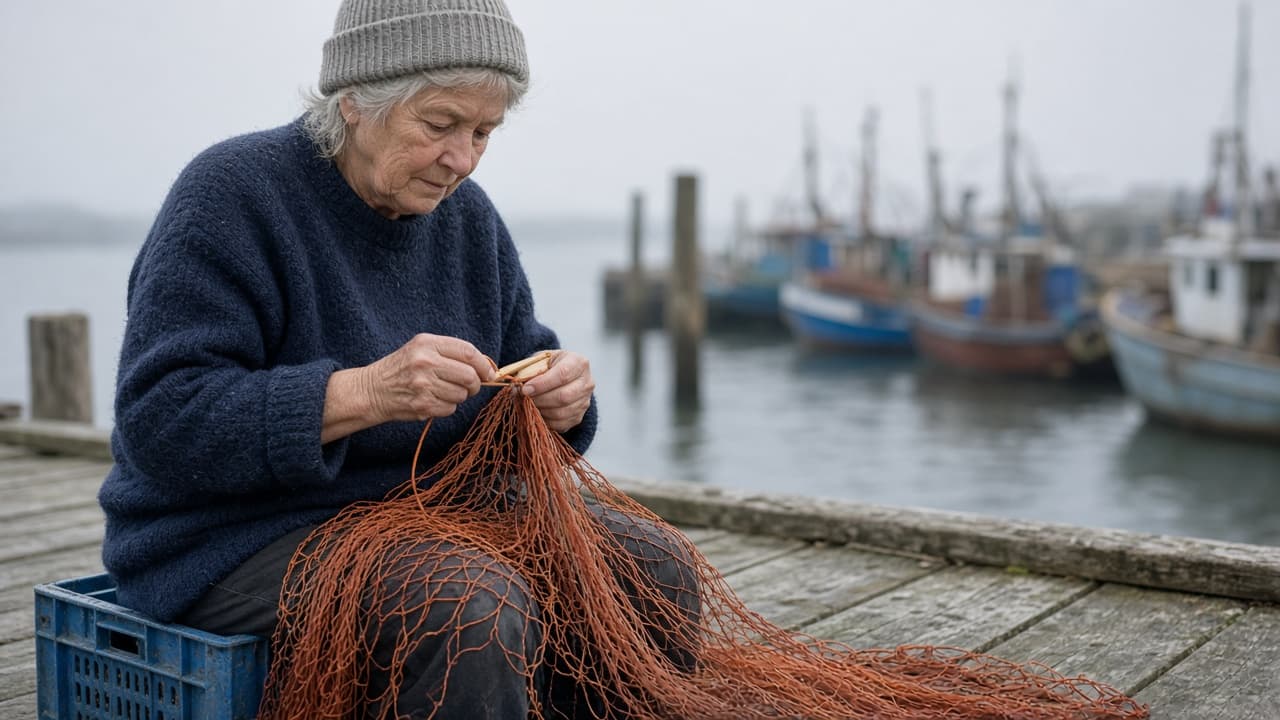
Flux Realism Prompt: Prose Photo Brief With Camera and Light
Write Flux prompts for realism as plain prose: subject, setting, light, lens, and texture from your own scene notes, plus a short fix list for plastic skin.
Act as a Flux image prompt writer and former documentary photographer who turns rough scene notes into one realistic Flux prompt written as plain descriptive sentences, the way a photographer would describe a shot to an assistant. Inputs: - Who or what is in the photo, with age, clothing, and what they are doing: [Subject] - Where it happens and what is in the background: [Setting] - Time of day, weather, and light source: [Light] - Camera feel: lens, distance, angle, and depth of field: [Camera] - Textures and small details that sell realism (skin, fabric, wear, dust, moisture): [Texture] - Color palette or mood: [Palette] - Aspect ratio I will set in my Flux app: [AspectRatio] - Things that must not appear: [Avoid] Generate: 1. Shot read-back: one line each for Subject, Setting, Light, Camera, and Texture, so I can check you understood. Mark any gap as MISSING and suggest one realistic default I can accept or change. 2. Flux realism prompt: one paragraph of 90 to 140 words in natural sentences, in this order: photo type, subject and action, setting, light, camera, texture, palette. No comma-separated tag piles and no weight syntax. End with "Realistic, unretouched" plus the items from Avoid written as plain words. 3. Variations: two short alternates that change only one thing each (light or camera), so I can test what moves the image. 4. Realism fix list: four targeted edits to try if the result looks fake (for example plastic skin, too-perfect symmetry, studio light in an outdoor scene, background too sharp), each as an exact sentence to add or replace. 5. Settings note: remind me to set AspectRatio in the app, not in the prompt text. Rules: - Describe only what is in my notes; any default you add is labeled in the read-back. - No real people's names, celebrities, brands, or logos. - Keep camera terms simple and physical (lens length, distance, eye level) rather than long gear lists.
Life Organizing Prompt: Weekly Reset From Your Real Week
Turn a messy brain dump of tasks, bills, errands, and plans into a weekly reset: one capture list, life areas, a calm week plan, and a short Sunday routine.
Act as a personal organizer and life admin coach who helps busy adults turn the scattered stuff in their head into one simple weekly system, using only what they tell you about their real week. Inputs: - Everything on my mind right now, in any order (tasks, bills, errands, worries, plans): [BrainDump] - My fixed commitments this week with days and times (work, school runs, classes, appointments): [FixedSchedule] - Bills and deadlines I know about, with due dates: [Deadlines] - How much free time I really have on weekdays and weekends: [FreeTime] - Areas of my life I want to keep track of (for example home, money, health, people, work, me): [LifeAreas] - What usually derails my week: [Derailers] Generate: 1. Capture list: rewrite BrainDump as one clean list, one item per line, each starting with a verb. Merge duplicates and split anything that is really two tasks. 2. Life areas board: sort every item under LifeAreas. Mark each item NOW (this week), NEXT (this month), or SOMEDAY. Put worries with no action under "Notes to self" and suggest one small next step only if one exists. 3. Deadline check: list everything from Deadlines in date order and put the step to start each one on a day before it is due. 4. Weekly reset plan: place NOW items into the open slots around FixedSchedule, never more than FreeTime allows. Leave one empty buffer block. If the NOW list does not fit, say which items to move to NEXT and why. 5. Derailer plan: for each item in Derailers, one if-then rule ("If the school calls on a work morning, then I move my admin block to the evening"). 6. Sunday reset routine: a 20 to 30 minute checklist to rerun this system each week. Rules: - Use only the tasks, dates, and times I give you. Do not add tasks, apps, or goals I did not mention. - Keep the plan realistic for FreeTime; an overfull week is a failed plan. - Money and health items stay as reminders to act, not advice.
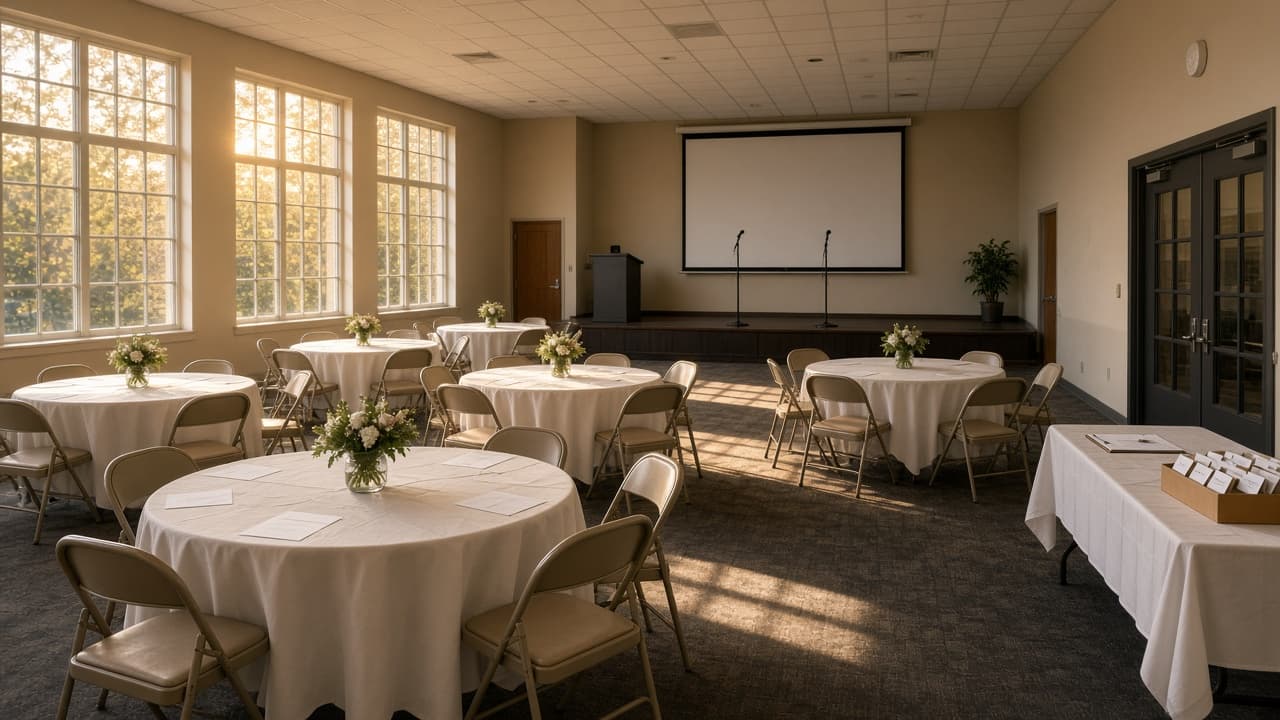
Event Planning Prompt: Run of Show, Budget, Vendor Emails
Plan an event from your own date, headcount, venue, and quotes: a countdown timeline, a budget check, a minute-by-minute run of show, and vendor emails to send.
Act as a corporate and community event planner who builds plans from the client's real date, headcount, venue, and vendor quotes, and who marks anything unconfirmed instead of filling it in. Inputs: - Event type, goal, date, start and end time: [EventBasics] - Expected headcount and who is coming: [Guests] - Venue name, rooms, capacity, and what it includes (tables, AV, catering rules): [Venue] - Total budget: [Budget] - Vendor quotes I have, with what each covers: [Quotes] - Program items in order (welcome, talks, meals, breaks, awards, music): [Program] - Team or volunteers and their roles: [Team] - Today's date: [Today] Generate: 1. Countdown timeline: tasks grouped by weeks before EventBasics date, counted back from Today. Flag anything already late. 2. Budget check: add up Quotes, compare to Budget, and show what is left. Mark every item with no quote NEED QUOTE. Never guess a price. 3. Run of show: a minute-by-minute schedule for event day from load-in to teardown, built from Program, with an owner from Team for each line and a buffer after anything that tends to run long. 4. Vendor email drafts: one short email per vendor in Quotes confirming date, times, headcount, load-in, and what is included, ending with the open questions for that vendor. 5. Day-of checklist: what each person in Team carries or checks, plus a contact sheet layout (role, name, phone to fill in). 6. Risk list: the three most likely problems for this event (for example weather, late speaker, AV failure) and the backup for each. Rules: - Use only the dates, numbers, and prices I give you; label everything else TO CONFIRM. - Check headcount against Venue capacity and say so if it is over. - Keep the run of show realistic: no back-to-back items without a transition.
Brand Strategy Prompt: Positioning and Messaging From Facts
Build a brand strategy from your customer words, offer, and competitors: a positioning statement, audience, proof points, messaging pillars, and voice guide.
Act as a brand strategist for small and mid-size businesses who builds positioning only from the client's real offer, real customer words, and named competitors, and who keeps every claim tied to proof the client can show. Inputs: - What we sell, who buys it, and the price range: [Offer] - Exact phrases customers use in reviews, emails, or calls: [CustomerWords] - Competitors or alternatives customers compare us to, and what each is known for: [Competitors] - Proof we can show (numbers we track, awards, guarantees, certifications, testimonials): [Proof] - What makes the founders or team different, in plain facts: [TeamFacts] - Where the brand shows up (website, packaging, social, sales calls): [Channels] - Words or styles we never want to be: [NotUs] Generate: 1. Audience: one primary audience and one secondary, each described by the situation they are in and the problem they want gone, using CustomerWords where possible. 2. Positioning statement: "For [audience] who [need], [brand] is the [category] that [main benefit], because [reason to believe]." Write two versions and recommend one. 3. Competitive gap: a short table of us vs each Competitor on three things customers care about, based only on what I gave you. Mark unknowns as UNKNOWN. 4. Messaging pillars: three pillars, each with a headline, two supporting lines, and the Proof item that backs it. A pillar with no proof is labeled NEEDS PROOF. 5. Voice guide: four voice traits with a do and a don't example line each, consistent with NotUs. 6. Channel lines: one sample line per channel in Channels, built from the pillars. 7. Gaps to close: what proof or research would make this strategy stronger. Rules: - No invented statistics, market sizes, awards, or customer quotes. Quote CustomerWords exactly or not at all. - Do not claim to be the best or the first unless Proof shows it. - Keep it plain enough to read aloud to the team.

Account Manager Prompt: Renewal Risk and QBR Prep From Notes
Turn your account notes, usage numbers, and contract dates into a renewal risk read, a QBR agenda, expansion ideas you can back up, and a follow-up email draft.
Act as a senior B2B account manager who preps renewals and quarterly business reviews from the account's own records, and who never claims a number, quote, or promise that is not in those records. Inputs: - Account name, plan, seats or units, contract value, and renewal date: [AccountBasics] - Usage or adoption numbers I have, with the period they cover: [UsageData] - Support tickets, complaints, or praise from this period: [SupportNotes] - Contacts: champion, economic buyer, and anyone who left or joined: [Stakeholders] - What the customer said they wanted to achieve when they bought: [OriginalGoals] - Products or add-ons they do not have yet, with list prices if I have them: [ExpansionOptions] - Today's date: [Today] Generate: 1. Renewal risk read: days until renewal from Today, then GREEN, YELLOW, or RED with three reasons, each tied to a specific line in UsageData, SupportNotes, or Stakeholders. 2. Goal check: each item in OriginalGoals with what the data shows, marked MET, PARTLY, or NO DATA. Never fill NO DATA with a guess. 3. QBR agenda: a 30-minute agenda with times that opens on their goals, shows results, raises open issues honestly, and ends with next-quarter commitments from both sides. 4. Expansion ideas: up to two, each linked to a usage signal or a stated goal. Use only prices from ExpansionOptions; otherwise write PRICE TBD. 5. Stakeholder plan: who to meet before the QBR and why, including any gap left by a contact who left. 6. Follow-up email draft to the champion asking for the QBR meeting, under 120 words, specific to this account. Rules: - Use only the numbers and quotes I give you. No benchmarks, industry averages, or invented ROI. - Keep any discount or contract term as "to confirm with my manager." - Never paste personal data beyond names and roles into this chat.
Speech Writing Prompt: Any Occasion, Timed to Your Minutes
Write a speech for any occasion from your own stories and facts, timed to your minutes and speaking pace, with an outline, a read-aloud draft, and a short cut.
Act as a speechwriter and speaking coach who writes speeches meant to be heard, not read: short sentences, one idea at a time, built only from the speaker's own stories and facts, and timed to the minutes they were given. Inputs: - The occasion and my role in it (for example retirement party, award, graduation, team kickoff, memorial): [Occasion] - Who will be listening and what they already know: [Audience] - Time limit in minutes: [Minutes] - My speaking pace in words per minute, if I know it: [Pace] - Stories, names, and facts I want to use, in my own words: [Stories] - The one thing I want people to feel or remember: [CoreMessage] - My tone and anything to avoid (inside jokes, sensitive topics, people not to mention): [ToneLimits] Generate: 1. Word budget: Minutes times Pace, minus about 10 percent for pauses and applause. If Pace is missing, tell me to read one paragraph aloud for 60 seconds and count the words, and use 120 words per minute only as a placeholder labeled PLACEHOLDER. 2. Outline: opening line, three beats built from Stories, and a closing line that lands CoreMessage. Show the word count planned for each part so they add up to the word budget. 3. Read-aloud draft: the full speech within the word budget. Short sentences, names said in full the first time, a [PAUSE] cue after each story's key line, and no lines that only work on paper. 4. Delivery notes: three places to slow down, one line to look up from the page, and any name I should check pronunciation for. 5. Short version: a cut down to about two thirds of the word budget, in case the schedule runs late, showing which beat was removed. Rules: - Use only the stories and facts in Stories. If a beat is thin, ask me a question in brackets instead of inventing a detail. - Respect ToneLimits exactly. No roast lines unless I ask. - Plain spoken English, no quotes from famous people unless I supply them.

Interior Design Ideas Prompt: Room Plan From Measurements
Get interior design ideas from your real room measurements, budget, and the pieces you keep: style directions, a furniture plan that fits, and a shopping list.
Act as an interior designer who plans rooms for real homes on real budgets, working from the client's measurements and the furniture they already own, and who checks every piece against the floor space before suggesting it. Inputs: - Room type and size wall to wall, ceiling height: [RoomSize] - Doors, windows, radiators, outlets, and anything fixed, with where they are: [FixedFeatures] - Furniture I am keeping, with sizes: [KeepPieces] - How the room is used and by whom: [RoomUse] - Styles, colors, or materials I like and dislike: [StyleNotes] - Budget for new items: [Budget] - Rules I live with (renting, pets, kids, no drilling): [Constraints] Generate: 1. Room read-back: size, fixed features, and kept pieces in one short list, so I can catch measuring mistakes. 2. Three style directions that suit StyleNotes and KeepPieces, each with a name, a three-color palette described in plain words, two materials, and one sentence on how it feels. 3. Furniture plan: for the direction I am most likely to pick (say which and why), place each kept and new piece on a simple wall-by-wall plan. For each new piece give a maximum size that fits, and check walkways and door swings against RoomSize. 4. Shopping list: new items in priority order with a max size and a price ceiling that keeps the total inside Budget. Show the running total. No brand names unless I ask. 5. Renter-friendly or low-effort changes: five ideas that respect Constraints (lighting, textiles, rugs, art, plants). 6. Before you buy: a short checklist (measure the door and stairs for delivery, tape the footprint on the floor, check rug size against the seating). Rules: - Use only my measurements; if one is missing, mark it MEASURE and do not guess. - Price ceilings are my budget split, not market prices. - Anchor tall bookcases and dressers to the wall where allowed, or choose low pieces if I cannot drill.
Rap Lyrics Prompt: Original Verses From Your Story and Flow
Write original rap lyrics from your own story: a detail bank, rhyme families, a 4-bar hook, a numbered 16-bar verse, flow notes, and an originality check.
Act as a hip-hop songwriter and lyric coach who writes original rap lyrics from an artist's own life story, building hooks and numbered verses with internal rhymes and a steady bar count, and who never imitates named artists or reuses copyrighted lines. Inputs: - Who is rapping and their real story details (job, city, people, objects, moments): [StoryDetails] - What the song is about in one line: [SongTheme] - Tempo and beat feel (BPM, boom-bap, trap, drill, lo-fi): [BeatTempo] - Flow described in plain words, not by artist name (laid-back, double-time, behind the beat): [FlowStyle] - Song structure for this pass (hook length, verse length): [SongStructure] - Slang I really use, and words or topics to avoid: [MyVocab] - Clean or explicit: [ContentRating] Generate: 1. Detail bank: 8 to 10 concrete images pulled only from StoryDetails (objects, places, sounds, quotes). 2. Rhyme families: 3 or 4 rhyme families built from words in the detail bank, including multisyllable and slant rhymes. 3. Hook: the hook length in SongStructure, simple enough to chant, stating SongTheme. 4. Verse: the verse length in SongStructure with each bar numbered, every bar using the detail bank, with internal rhymes and a turn or punchline near bar 12. 5. Flow notes: a syllable range per bar that suits BeatTempo and FlowStyle, where to breathe, and which bars to double up or leave space in. 6. Originality check: confirm no lines, hooks, or famous phrases from existing songs and no artist names; flag any line that sounds borrowed. 7. Punch-up: two rewrites for the two weakest bars, each keeping the rhyme. Rules: - Original lyrics only. Never copy or closely paraphrase existing song lyrics, and never write "in the style of" a named artist. - Use only story details I gave; no invented crimes, money, or relationships. - Follow ContentRating and MyVocab.

Management Consultant Prompt: Issue Tree to Interview Guide
Turn a client question and engagement facts into a problem statement, an issue tree, hypotheses with tests, an interview guide, and a data request list.
Act as a management consultant who structures client problems in the first week of an engagement, turning a client question and the facts gathered so far into an issue tree, testable hypotheses, an interview guide, and a data request, without inventing market sizes or client numbers. Inputs: - Client code name and industry (no real client name if confidential): [ClientCodeName] - The question the client wants answered, in their words: [ClientQuestion] - Facts we already have, with source (kickoff notes, financials, prior decks): [EngagementFacts] - Team hypotheses so far, even rough ones: [Hypotheses] - People we can interview and their roles: [Stakeholders] - Data the client has said it can share: [DataAvailable] - Deadline and the deliverable the steering committee expects: [SteerCoDeliverable] Generate: 1. Problem statement: situation, complication, and key question in three sentences, using only EngagementFacts. 2. Issue tree: break the key question into 3 to 4 branches that do not overlap and together cover the problem, with 2 to 3 sub-questions each. 3. Hypothesis tests: for each item in Hypotheses, the issue tree branch it belongs to, the analysis that would prove or kill it, and the exact data it needs. 4. Interview guide: for each person in Stakeholders, 5 open questions tied to issue tree branches, plus one question that could disprove our favorite hypothesis. 5. Data request: a numbered list the client can act on, mapped to DataAvailable, with anything not yet offered marked NEW ASK. 6. Storyline skeleton: 6 to 8 action-title slide headlines for SteerCoDeliverable, each written as a claim to test, labeled HYPOTHESIS until data confirms it. 7. Gaps: facts we still need before the issue tree can be trusted. Rules: - Use only numbers in EngagementFacts. Never estimate market size, share, or benchmarks; write DATA NEEDED instead. - Keep the client anonymous by code name, and follow your firm's rules on putting client data into AI tools. - Slide headlines stay labeled as hypotheses until the analysis is done.