How to Use the Residential Property Tax Assessment Appeal Prompt to Build a Case Your Board of Review Will Take Seriously
Prepare a homeowner property tax appeal that boards actually grant: a record card error check, the market value your notice implies, a comparable sales adjustment grid with an indicated value range, an assessed value per square foot uniformity comparison, a requested value, an evidence packet list, and a short hearing script.
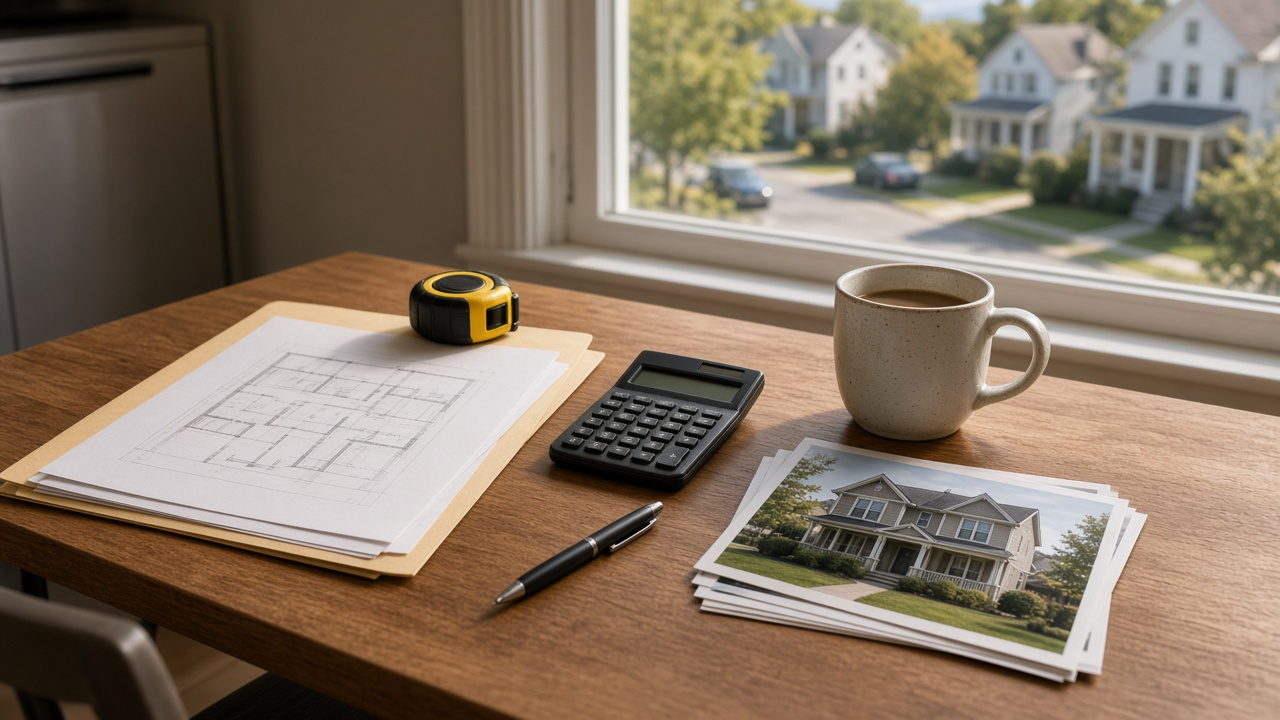
When your assessment notice arrives with a value that feels too high, the instinct is to argue that taxes are unfair. Boards of review do not decide that. They decide whether your property's value or the facts behind it are wrong. The appeals that work start with errors on the property record card, then show market value with comparable sales, then show that similar homes are assessed lower. The Residential Property Tax Assessment Appeal Builder: Property Record Card Error Check, Comparable Sales Adjustment Grid, Uniformity Comparison, and a Board of Review Evidence Packet prompt builds each of those pieces from your notice, your record card, and nearby sales.
What the prompt produces
- A record card error check comparing each field with the facts, marked MATCH or ERROR, with the proof to attach.
- The market value your notice implies, and the figure your appeal has to beat.
- A comparable sales adjustment grid with dollar adjustments, adjusted prices, and an indicated value range.
- A uniformity comparison of assessed value per square foot against similar nearby homes.
- A requested value and an evidence packet list in the order your county requires.
- A two minute hearing script with answers to likely questions.
How to fill the inputs
AssessmentNotice includes the tax year, assessed value, assessment level, valuation date, and deadline. Many places assess at a fraction of market value, so the level matters for the math.
RecordCard is the assessor's description of your home: size, bedrooms, baths, basement finish, garage, year built, condition, and lot. Many counties post it online.
ActualFacts is what is really true, with the document that proves it, such as builder plans, an appraisal sketch, or photos.
CompSales lists nearby sales with the address, date, price, size, and features. Sales close to the valuation date are the strongest.
EquityComps are the assessed values and sizes of similar homes, which you can usually find on the assessor's website.
AppealProcess describes the local steps, forms, and evidence deadlines.
Reading the example output
The example appeals a home assessed at $126,000 at a 35 percent assessment level:
- Two record card errors come first. The card lists 2,150 square feet and a finished basement. The house is 1,940 square feet and the basement is unfinished, backed by builder plans, an appraisal sketch, and photos.
- The target is clear. The notice implies a market value of $360,000, so the appeal has to show less than that.
- The grid shows its assumptions. Every adjustment rate is labeled USER ESTIMATE because the homeowner did not supply local rates. That honesty matters if the board asks.
- The best comp gets the most weight. The sale that needs the smallest adjustments points to about $330,000.
- Uniformity backs it up. At its correct size the house is assessed at about $64.95 per square foot, while three similar homes average about $57.42.
- The request is specific. A market value of $330,000, or an assessed value of $115,500, with a short script that leads with the factual errors.
Tips for better results
- Request your property record card early and read every field. Size and basement finish errors are common and easy to prove.
- Use sales from before or very near the valuation date, not this month's listings.
- Ask the assessor for an informal review first. Many factual errors are fixed without a hearing.
- Bring printed copies of everything for each board member if your county allows paper evidence.
Mistakes to avoid
- Do not argue that your tax bill is too high. Argue that the value or the facts are wrong.
- Do not pick only the lowest sales. Boards notice cherry picking, and it hurts your credibility.
- Do not miss the deadline. Late appeals are usually rejected without review.
- Do not stop paying your tax bill while the appeal is pending unless local rules clearly allow it.
Who it is for
Homeowners, small landlords, real estate agents helping clients, and anyone who has received an assessment notice that seems out of line with the market and wants to prepare a clear, evidence based appeal.
Related PromptDig links
Start with the Residential Property Tax Assessment Appeal Builder: Property Record Card Error Check, Comparable Sales Adjustment Grid, Uniformity Comparison, and a Board of Review Evidence Packet prompt and paste your notice, record card, and nearby sales. For more practical everyday prompts, Browse more prompts. If you have a prompt that helped you with a household or money task, Share a prompt.