How to Use the Haunted Attraction Scare Zone Script Prompt to Design Rooms That Actually Land
Design one scare zone for a haunted house, haunted trail, or hayride: the story beat the room tells, where each actor hides, the distraction then scare sequence tied to floor trigger marks, reset times that match your guests per hour, actor lines, and safety rules for no-touch and opt-out guests.
A good scare zone is not just a dark room with someone yelling. The best rooms in a haunt tell a small story, pull the guest's eyes one way, and hit from the other. They also reset fast enough that the next group gets the same experience, and they keep actors and guests safe every single night of the season. Whether you run a charity haunt in a church basement or a large walk-through attraction, the Haunted Attraction Scare Zone Script and Actor Cue Sheet: Room Story Beat, Distraction and Scare Positions, Trigger Marks, Reset Timing, Throughput Pacing, and No-Touch Safety Rules prompt helps you turn a room layout and a cast list into a story beat, an actor position map, a cue sheet tied to floor marks, and a safety block your actors can follow.
What the prompt produces
- A two sentence story beat that ties the zone to your attraction's storyline.
- An actor position map with each hide, sightline, and retreat path.
- A distraction then scare sequence tied to named trigger marks on the floor.
- An actor cue sheet with the action, a short line or sound, and the reset time.
- A pacing check against your groups per hour, plus what to do when groups bunch up.
- Intensity notes with softer versions of each scare for opt-out or younger guests.
- A safety block covering touch rules, the opt-out signal, the stop word, and how to break character.
- A one page actor briefing to read before doors open.
How to fill the inputs
AttractionType describes your haunt and its overall storyline. The more specific the story, the better the room's beat will connect.
ZoneLayout lists the room size, entry and exit, hiding spots, set pieces, and the lights and sound you actually have. The prompt only places actors where your layout allows.
ActorCount includes any limits, such as a young volunteer who must stay out of the path or an actor resting their voice.
Throughput gives group size and the gap between groups. This drives the reset times.
IntensityLevel sets the audience: family friendly, standard, or an extreme event with waivers.
SafetyRules is the input you should never skip. List your touch policy, opt-out signal, emergency word, house lights, and chicken exit.
Reading the example output
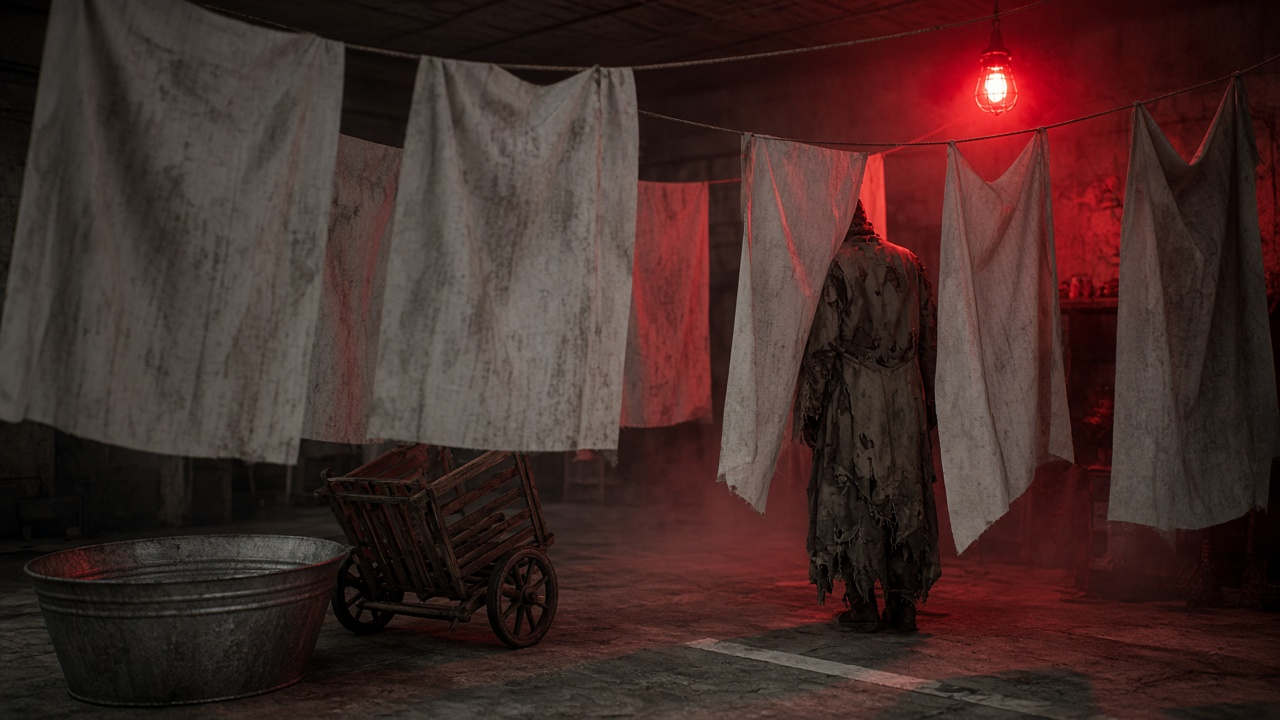
The example designs a laundry room in a charity asylum haunt with three actors, including a 16 year old volunteer. The volunteer becomes the distraction, seated and humming out of the walking path, so the youngest actor never has to move near guests. An adult sweeps a sheet aside from the blind side at the middle mark, and a second adult finishes the room near the exit with a slam effect that pushes the group forward.
The pacing check is where the design earns its keep. With a group every 45 seconds and about 25 to 30 seconds in the room, each actor has enough quiet time to reset. When two groups bunch up, the cue sheet tells the first scare actor to skip and whisper instead, so no group is ever held in the room. The safety block spells out exactly what happens if anyone says the stop word.
Tips for better results
- Walk the room with tape and mark the trigger spots before you run the prompt.
- Time a real group with a stopwatch on preview night and update Throughput.
- Give every actor a written retreat path, not just a hide.
- Rotate actors who carry the loudest scares so voices last the season.
Mistakes to avoid
- Do not script any contact unless your written rules allow it. The default is no touch.
- Do not add strobes, fog, or new set pieces the layout input did not approve.
- Do not hold a group in a room to land a scare. Bunching causes more problems than it solves.
Who it is for
Haunt owners, scare directors, charity haunt organizers, theater groups running a Halloween fundraiser, and actor captains who train new volunteers.
A practical routine
Run the prompt for each zone before build week, rehearse with the cue sheets, update after preview night, and read the actor briefing at every call time.
Related PromptDig links
Plan your next room with the Haunted Attraction Scare Zone Script and Actor Cue Sheet: Room Story Beat, Distraction and Scare Positions, Trigger Marks, Reset Timing, Throughput Pacing, and No-Touch Safety Rules prompt. For more creative and event prompts, Browse more prompts. If you have a show planning prompt that works for your crew, Share a prompt.