How to Use the Freight Damage Claim Writer Prompt to File a Carmack Claim Carriers Take Seriously
File a motor carrier freight loss or damage claim that cannot be brushed off: check the delivery receipt exceptions and concealed damage notice, the 9 month filing window, the written claim elements in 49 CFR Part 370, any released value or tariff limit on the bill of lading, the claim amount math with documents, and the follow up dates the carrier must meet.
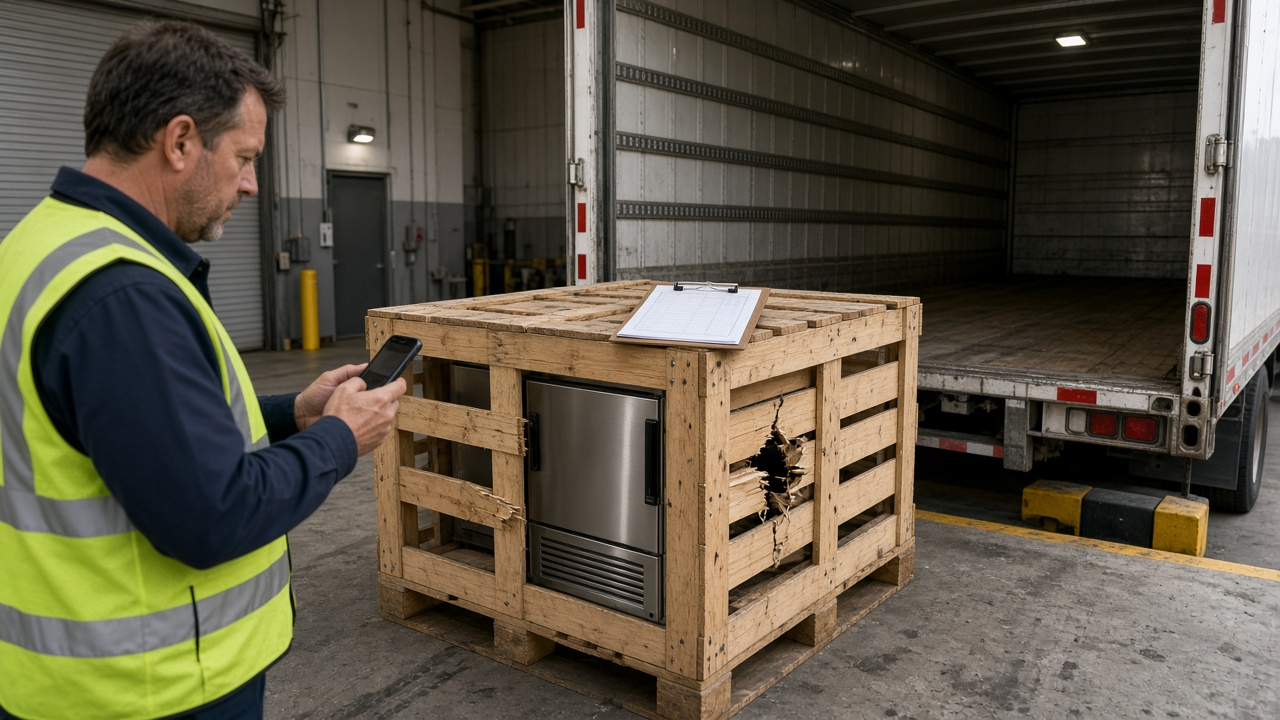
When freight arrives damaged, the claim is often lost before it is written. The delivery receipt was signed clean, the filing deadline passed, the claim went to the broker instead of the carrier, or the letter never stated a specific amount. For interstate motor carrier shipments in the US, the Carmack Amendment and the claim rules in 49 CFR Part 370 set out what a claim needs and how fast carriers must respond. The Freight Damage Claim Writer for Shippers Under the Carmack Amendment: Delivery Receipt Exceptions, 9 Month Filing Deadline, 49 CFR 370 Claim Elements, Liability Limits on the BOL, Damage Math, and Carrier Follow Up prompt turns your shipment documents into a complete claim package with deadlines, liability limit math, a damage calculation, the claim letter, and a follow up calendar.
What the prompt produces
- A timeline check with the delivery date, the 9 month filing deadline, and any concealed damage notice issue.
- A claimant and carrier check confirming you are filing with the carrier that hauled the freight and that the claimant bears the loss.
- A liability limit read of the bill of lading and tariff, with the per pound or per shipment math.
- A damage calculation with every number tied to a document.
- A written claim letter containing the four Part 370 elements: shipment identification, an assertion of liability, a demand for payment, and a specified amount.
- An exhibit list for the attachments.
- A follow up calendar with carrier response deadlines and the time limit to sue after a written declination.
How to fill the inputs
ShipmentFacts covers the BOL and PRO numbers, carrier, origin, destination, dates, pieces, and weight.
DeliveryReceipt should quote exactly what was written at delivery. Specific exceptions carry far more weight than a clean signature.
BolTerms includes declared or released value, any tariff the BOL references, and freight charges.
DamageEvidence lists photos, inspection reports, repair estimates, invoices, and salvage value.
ClaimantRole says who is filing, how the sale terms assign the loss, and whether a broker arranged the load.
Reading the example output
The example is a reach in refrigerator shipped by LTL from Wichita to Omaha and delivered with a forklift puncture noted on the receipt:
- The deadline is calculated. Delivered on 2026-09-28, the 9 month deadline falls on 2027-06-28, and the advice is to file now.
- The sale terms are handled. The unit was sold FOB origin, so the customer normally bears transit loss, but the shipper agreed to handle the claim and pay the repair, so the output adds a written assignment from the customer.
- The liability cap is computed. The tariff limit of 10.00 USD per pound on a 420 lb unit gives a 4,200 USD cap, and the claim sits below it.
- The damage math is documented: 2,150 USD for repair plus 150 USD for inspection, no salvage, and no freight refund because the unit was delivered and repaired. The total is 2,300 USD.
- The letter states facts, liability, demand, and amount, and quotes the delivery receipt exception word for word.
- The calendar counts from receipt: acknowledgment within 30 days, a decision or firm offer within 120 days, status updates every 60 days after that, and 2 years to sue after a written declination.
Tips for better results
- Write specific exceptions on the delivery receipt before signing. Damaged crate, forklift puncture, left side is far stronger than a bare signature.
- Photograph freight before unpacking and keep all packaging until the claim is settled.
- Send the claim in a way that proves the carrier received it, since the response deadlines run from receipt.
- Keep a simple log of every carrier contact and date.
Mistakes to avoid
- Do not file with the freight broker when a motor carrier hauled the load. The claim belongs with the carrier.
- Do not send a letter without a specified dollar amount.
- Do not ignore a released value on the BOL. It may cap what you can recover.
- Do not discard damaged goods before the carrier has a chance to inspect them.
Who it is for
Shipping and logistics coordinators at manufacturers and distributors, small business owners who ship by LTL, purchasing managers who receive damaged freight, and freight claims staff who want a consistent claim package. This prompt helps prepare claims; it is not legal advice.
Related PromptDig links
Open the Freight Damage Claim Writer for Shippers Under the Carmack Amendment: Delivery Receipt Exceptions, 9 Month Filing Deadline, 49 CFR 370 Claim Elements, Liability Limits on the BOL, Damage Math, and Carrier Follow Up prompt and paste your shipment details. For more business prompts, Browse more prompts. If you have a logistics or operations prompt that works well, Share a prompt.