How to Use the Escape Room Puzzle Chain Designer Prompt to Build a Home Escape Room That Flows
Design a home party or small venue escape room that actually flows: a story hook, a puzzle chain where every solution opens the next lock, parallel paths so a group does not stand around, lock choices that fit your budget, three step hint ladders, a reset checklist for the game master, and a playtest log to tune the timing.
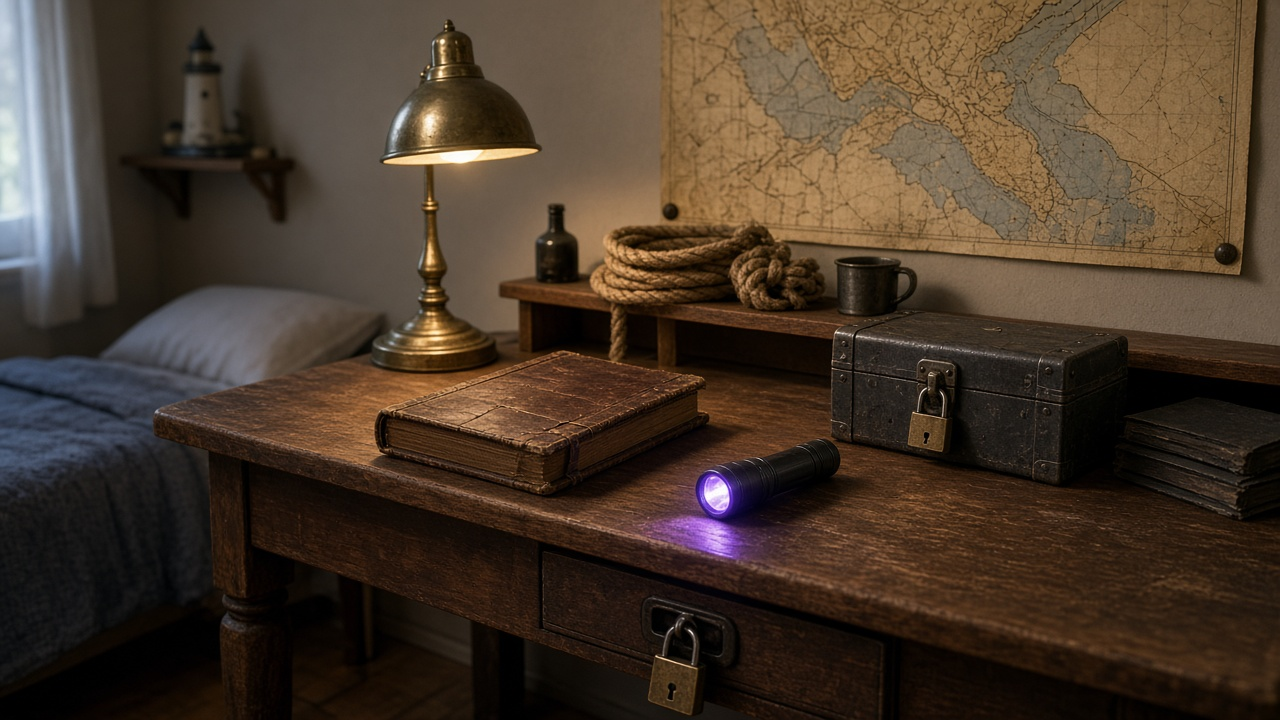
A home escape room is a great party idea until half the group stands around while two people work one puzzle, or a code turns out to have no clue in the room. Good rooms are designed backward from the final lock, with parallel paths so everyone has something to do. The Escape Room Puzzle Chain Designer: Story Hook, Room Flow Diagram with Parallel Paths, Lock and Clue Mapping, Hint Ladders, Game Master Reset Checklist, and a Playtest Log prompt builds that structure for your space and budget, then gives you hint ladders, a reset checklist, and a playtest log.
What the prompt produces
- A story hook that gives players a goal and a reason to hurry.
- A flow diagram built backward from the final lock, showing parallel paths and where they merge.
- A puzzle table listing what players find, what they do, the answer, the lock it opens, and what is inside.
- Clue hygiene rules so players know when a prop is finished and what is out of play.
- Hint ladders for each puzzle: a nudge, a pointed hint, and a near solution.
- A timing estimate for each puzzle against your target time.
- A game master reset checklist in the order you need it.
- A playtest log template to record when locks open and where players get stuck.
How to fill the inputs
Theme is the story setting. A simple premise works best, such as a missing keeper or a locked lab.
RoomSpace lists the room size and the furniture you can use, like drawers, a closet, or a bookshelf.
PlayerCount includes how many players and whether they have done escape rooms before.
TargetTime sets the play time and whether you will give hints live.
LockInventory lists the locks and props you own or your budget to buy them.
SafetyLimits covers anything off limits, such as climbing, darkness, or small parts.
Reading the example output
The example designs a lighthouse themed room for six adults in a spare bedroom with a 45 minute target:
- The story hook is two sentences and explains why the clock is running.
- Two paths run in parallel. One uses a logbook, a three digit lock, and a UV flashlight. The other uses a knot chart, a directional lock, tide tables, and a word lock.
- Each answer matches its lock. Three digits for the drawer lock, four directions for the directional lock, and a five letter word for the word lock.
- The final code combines both paths, with the order printed on the lockbox so players do not guess.
- The hint ladders stay in the story's voice and get more direct in three steps.
- The reset checklist lists every code and where each item starts.
Tips for better results
- Buy locks after the design is done so you only pay for what the puzzles need.
- Playtest with friends who will not be at the party.
- Write every code on a reset card kept outside the room.
- Use a DONE basket so finished props do not confuse players.
- If the first playtest runs long, simplify the slowest puzzle instead of adding hints.
Mistakes to avoid
- Do not use puzzles that need outside knowledge the room does not teach.
- Do not hide clues in outlets, behind heavy furniture, or anywhere unsafe.
- Do not put a lock on any door people need to exit.
- Do not reuse a clue for two puzzles. It confuses players.
Who it is for
Party hosts, teachers building classroom breakouts, youth group leaders, team building organizers, and small escape room venues sketching a new room.
Related PromptDig links
Open the Escape Room Puzzle Chain Designer: Story Hook, Room Flow Diagram with Parallel Paths, Lock and Clue Mapping, Hint Ladders, Game Master Reset Checklist, and a Playtest Log prompt and describe your room and theme. For more creative prompts, Browse more prompts. If you have a game or puzzle prompt that works, Share a prompt.