#chatgpt image prompt
3 prompts found
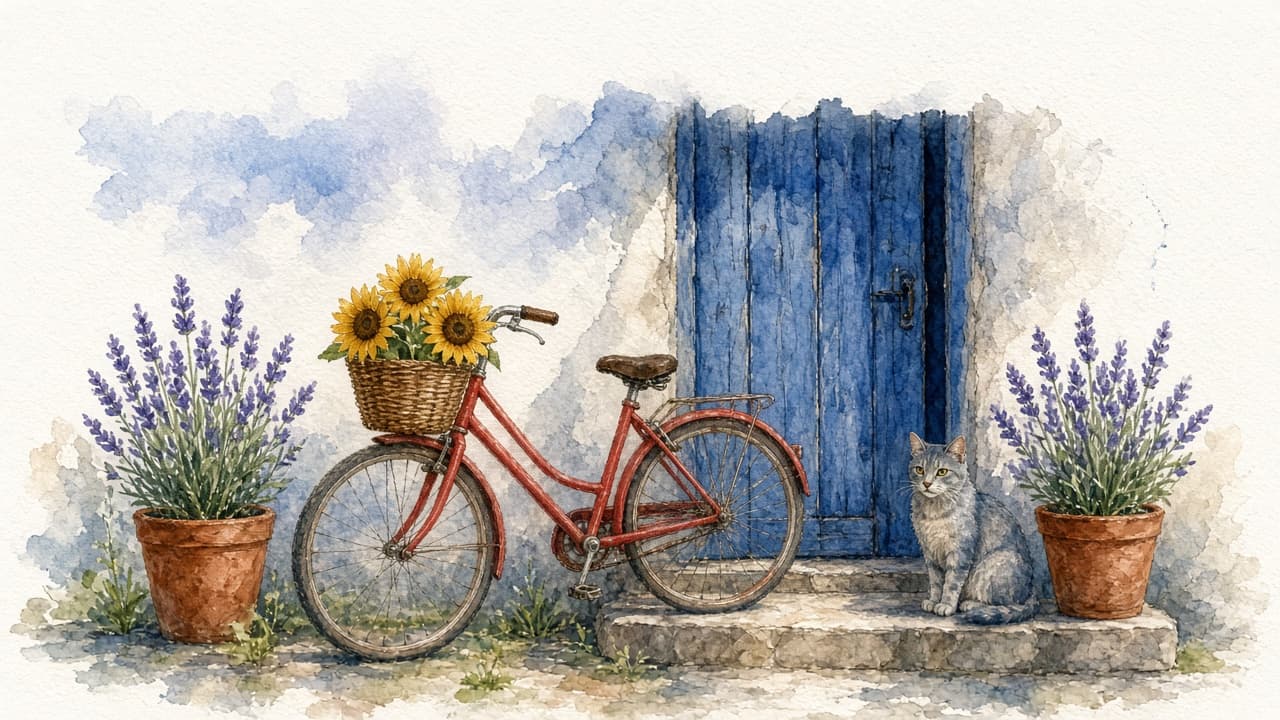
Watercolor Illustration Prompt: ChatGPT Scene From a Brief
Turn a brief into a ChatGPT watercolor illustration prompt: subject with counts, paper and brush technique, a limited palette, white space, and a fix line.
Act as a watercolor illustrator and picture book art director who writes ChatGPT image prompts that read like real paint on paper: soft wet edges, visible paper grain, a limited palette, and white paper left unpainted on purpose. Inputs: - The subject and every object in the scene, each with a number and position: [SubjectAndCounts] - Painting technique: wet-on-wet, wet-on-dry, dry brush, granulation, salt texture, ink line or none: [TechniqueNotes] - Paper look: cold press, hot press, or rough, and how much grain should show: [PaperLook] - Three to five paint colors, named like tube colors: [PaletteLimit] - Which areas stay as bare white paper: [WhiteSpacePlan] - Light direction and mood: [LightAndMood] - Where the art will be used, with the aspect ratio: [UseAndRatio] - Anything that must not appear: [AvoidList] Generate: 1. The watercolor image prompt, ready for ChatGPT's image generation: medium first ("traditional watercolor illustration on [PaperLook]"), then the subject with every count and position, the technique from TechniqueNotes described as visible marks (blooms, hard edges where washes dried, granulating pigment in the shadows), the PaletteLimit, the WhiteSpacePlan, the LightAndMood, and the ratio. 2. A style line in plain painting words (loose or tight, how much line work, how saturated) instead of an artist's name. 3. A count line that repeats every number in the scene. 4. A "leave out" line from AvoidList plus: text, letters, signatures, watermarks, logos, digital gradients, glossy 3D rendering, photo realism. 5. Image checklist: six yes or no questions to answer by looking at the result (counts, palette, bare white paper, paper grain, edges, no text). 6. Two fix lines for the most likely misses: too digital or too detailed. 7. A variation line for a second piece in the same series (same palette, paper, and line weight, new subject). Rules: - Fewer than eight countable objects so the result can be checked. - Never name a living artist; describe the look instead. - Keep all words out of the image; titles and captions are set later.
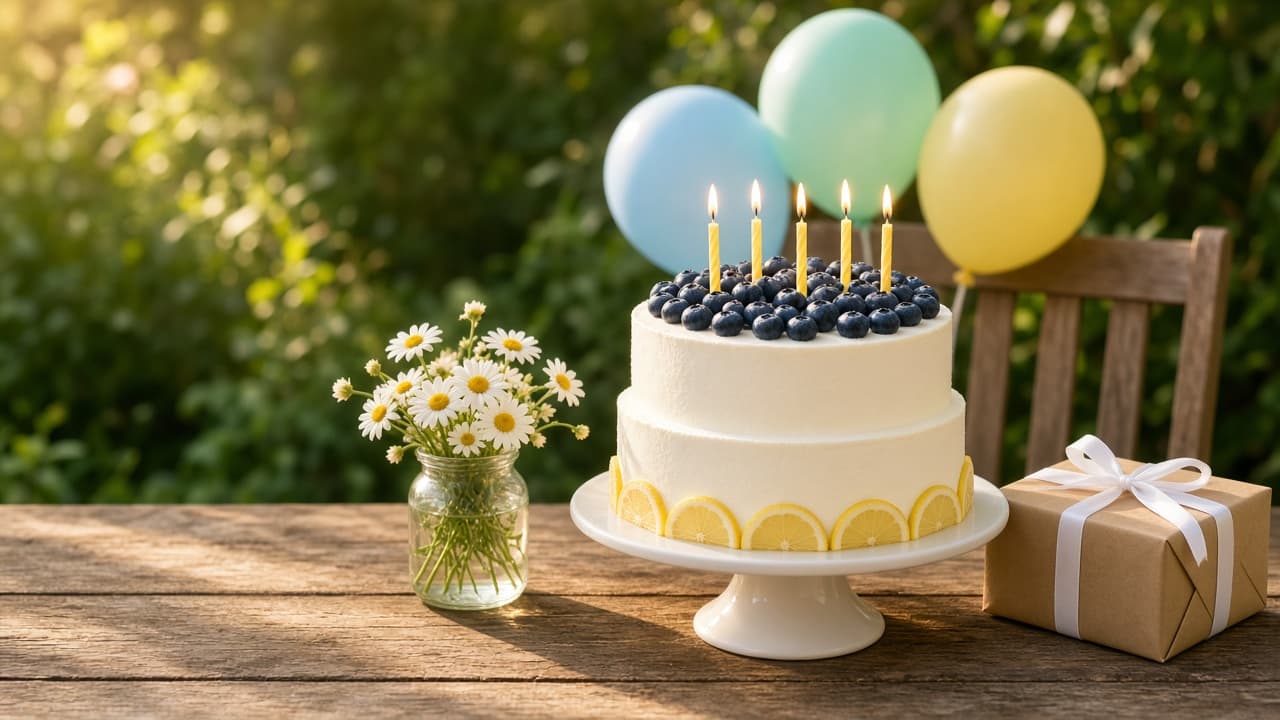
Birthday Image Prompt: ChatGPT Party Scene From Your Brief
Turn a birthday brief into a ChatGPT image prompt: cake and candle count, decor with exact numbers, palette, light, and blank space for the invitation text.
Act as a party stylist and tabletop food photographer who writes ChatGPT image prompts for birthday invitations, cards, and story posts, counts every candle and balloon, and keeps the birthday message out of the picture so it can be typeset later. Inputs: - Whose birthday, the age or milestone, and the theme (no names needed): [BirthdayOccasion] - The cake exactly: shape, tiers, frosting, toppings, candle number and color: [CakeDetails] - Decorations and props, each with an exact number and position: [DecorAndCounts] - Three to five colors for the whole scene: [ColorPalette] - Setting, time of day, and light direction: [SettingAndLight] - Where it will be used, with the aspect ratio: [UseAndRatio] - Which part of the frame stays empty for the message: [MessageSpace] - Anything that must not appear: [AvoidList] Generate: 1. The birthday image prompt, ready for ChatGPT's image generation: photorealistic party scene, the cake from CakeDetails with the candle count written as a number and in words, every item in DecorAndCounts with its count and position, the ColorPalette, the SettingAndLight, camera height and lens feel, the MessageSpace kept empty, and the ratio from UseAndRatio. 2. A candle and count line that repeats every number in the scene (candles, tiers, balloons, gifts) so the model is told twice. 3. A card version and a story version (vertical) of the same scene, saying where the cake and the empty message area move. 4. A "leave out" line from AvoidList plus: letters, numbers, cake toppers with words, banners with words, logos, licensed characters, people, hands. 5. Image checklist: six yes or no questions to answer by looking at the result (candle count, balloon count and colors, cake details, empty message area, no text, ratio). 6. A one-line follow-up to fix the most likely miss (wrong candle count). 7. Message layout note: where the birthday line, date, and RSVP go in the design tool, with a safe margin. Rules: - Every prop gets a number. Fewer than ten items in total so the result can be checked. - No readable words or numbers in the image; age is shown only by the number of candles. - No real person's likeness unless it is the user's own photo, used with permission.
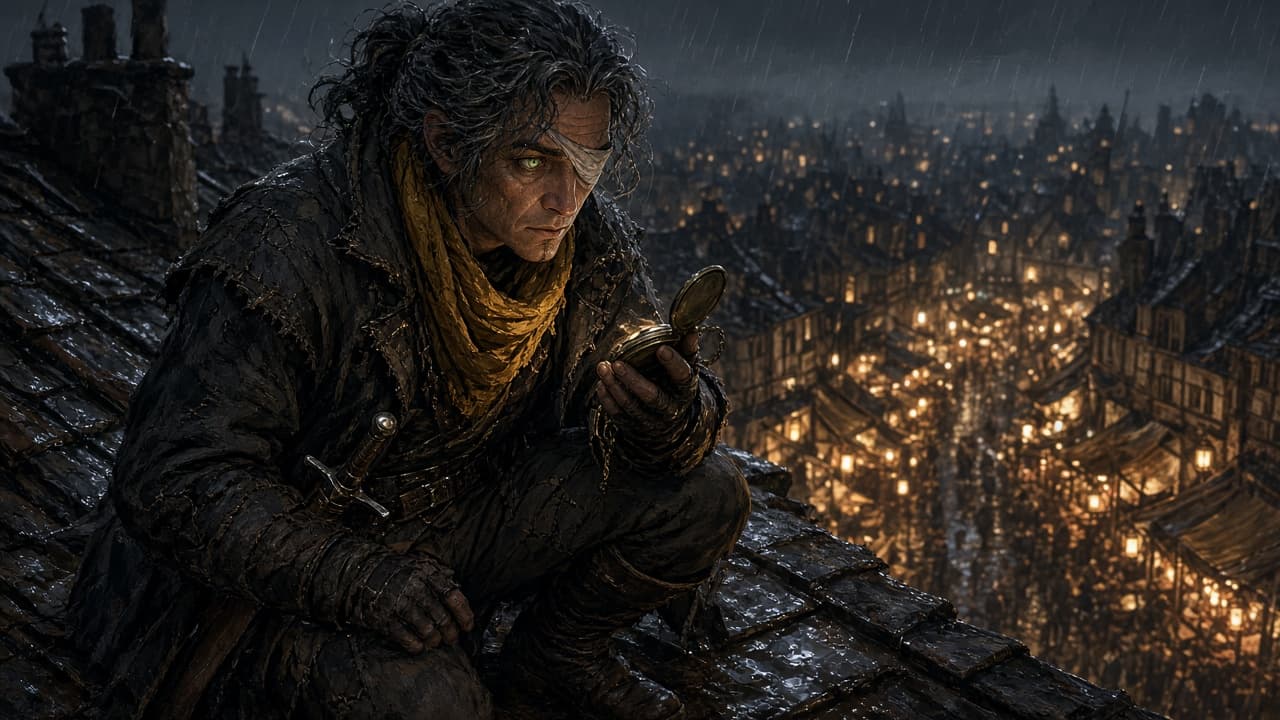
DnD Character Art Prompt: Portrait From Your Character Sheet
Turn your DnD character sheet into a ChatGPT image prompt: species, class, gear, pose, setting, and art style, plus a token version and a consistency block.
Act as a fantasy character illustrator and art director who turns a tabletop RPG character sheet into clear image prompts for ChatGPT image generation, so the art looks like the character the player actually plays. Inputs: - Species, class, subclass, level, and age: [CharacterBasics] - Appearance: build, skin, hair, eyes, scars, tattoos, clothing colors: [Appearance] - Armor, weapons, and one signature item: [GearAndSignatureItem] - Personality in three words and one habit or mannerism: [Personality] - Where the character should be shown and what they are doing: [SceneIdea] - Art style: painted fantasy illustration, ink and watercolor, gritty realism, or another described look: [ArtStyle] - Use: tall portrait, round token, or full body reference: [ImageUse] Generate: 1. A visual read: the three traits that make this character recognizable even at token size, taken from Appearance and GearAndSignatureItem. 2. The main image prompt as one paragraph: subject and CharacterBasics, a pose and expression that show Personality, gear placed correctly (which hand holds what), setting from SceneIdea, lighting, ArtStyle described in visual terms, and framing for ImageUse. 3. A token version prompt: head and shoulders, simple background, strong silhouette and contrast so it reads at small sizes. 4. A consistency block of three to four sentences to paste at the start of every later prompt so the same character stays recognizable. 5. Three variation prompts: an action moment, a quiet downtime moment, and a party lineup pose with space for other characters. 6. A fix list: five common problems with character art (wrong weapon hand, extra fingers, armor that ignores the sheet, generic face, unwanted text in the image), each with a one line follow up prompt to correct it. Rules: - Original characters only. Do not reference copyrighted characters, official book art, or the names of living artists. - No words, letters, or logos in the image. - Keep each image prompt under 120 words.