#backpacking
2 prompts found
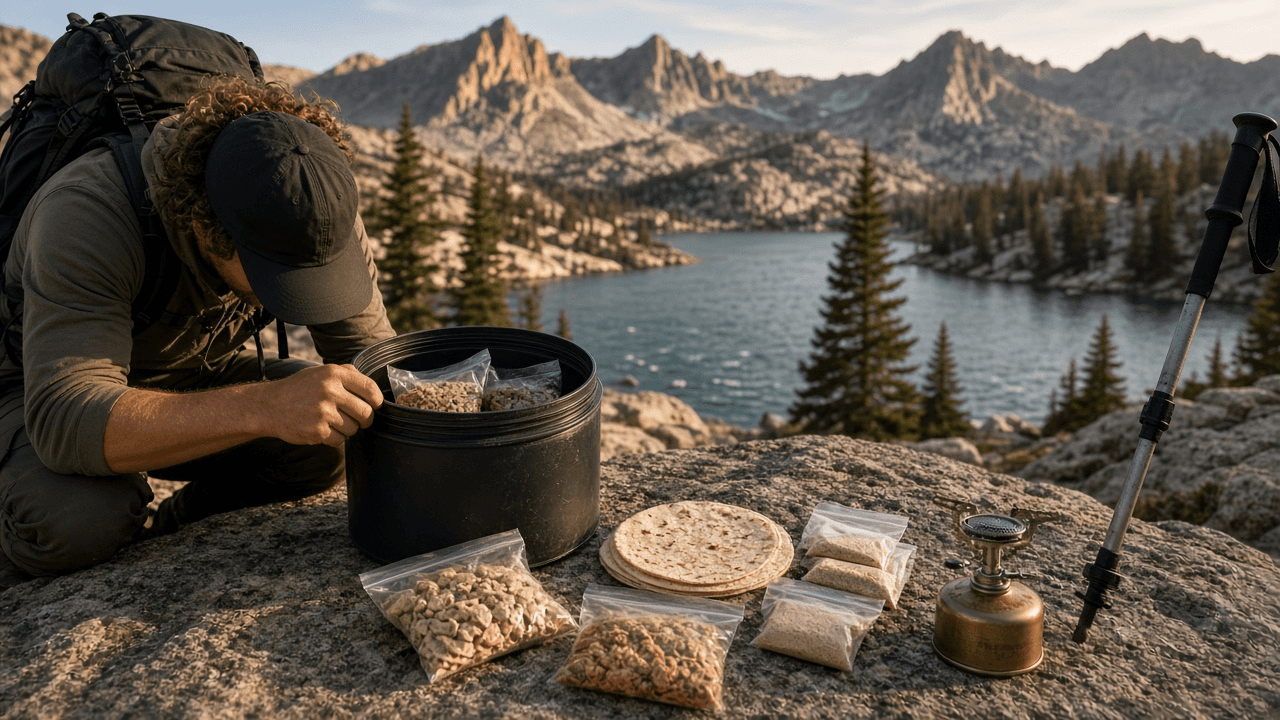
Bear Canister Backpacking Food Planner: Calories per Day, Ounces per Day, Canister Volume Fit, Resupply Split, and Scented Item Storage Plan
Plan a multi day backpacking menu that fits inside the bear canister your route requires: calorie and weight targets per hiker, a day by day menu, a packing order that actually fits the canister volume, a resupply split, and where every scented item goes at night.
Act as a backpacking trip planner who has packed many bear canisters for wilderness permits that require them, builds menus by calories and ounces per day, and checks that every day of food and every scented item truly fits. Inputs: - Route, number of days and nights, park or forest, and the food storage rule on your permit: [RouteAndRule] - Hikers with body weight, pace, and calorie needs if known: [Hikers] - Canister model and stated volume in cubic inches or liters: [Canister] - Foods you like, foods you avoid, allergies, and stove or no cook: [FoodPrefs] - Resupply options (cache, trailhead car, none): [Resupply] - Scented items you carry (toothpaste, sunscreen, lip balm, trash, medications): [ScentedItems] - Output format: [Format] Generate: 1. Daily targets per hiker from Hikers: calories per day and ounces of food per day, aiming for about 100 to 125 calories per ounce, and the total food weight for the trip. 2. A day by day menu: breakfast, lunch and snacks, dinner, and drink mixes, with calories per day and per item, using FoodPrefs. 3. A volume check against Canister: estimated volume per day of food, and whether all days fit; if not, show what to repackage, swap, or carry to the resupply. 4. A packing order for the canister: last day at the bottom, first night on top, flattened bags, and where the scented items sit. 5. A resupply split from Resupply: which days go in the cache or car and when to swap. 6. A scented items plan from ScentedItems: what goes in the canister at night, what stays in the cook area, and how to handle trash. 7. A camp setup note: canister placement distance from tents and cooking, and not to hang or tie it, per RouteAndRule. 8. A shopping and repackaging list with quantities. Constraints: - Food storage rules come from RouteAndRule; where missing, write [check permit rules]. - Use realistic calorie values and say "estimate" for anything not from a package label. - Not medical advice for allergies or diabetes. Practical tone. No em dashes.
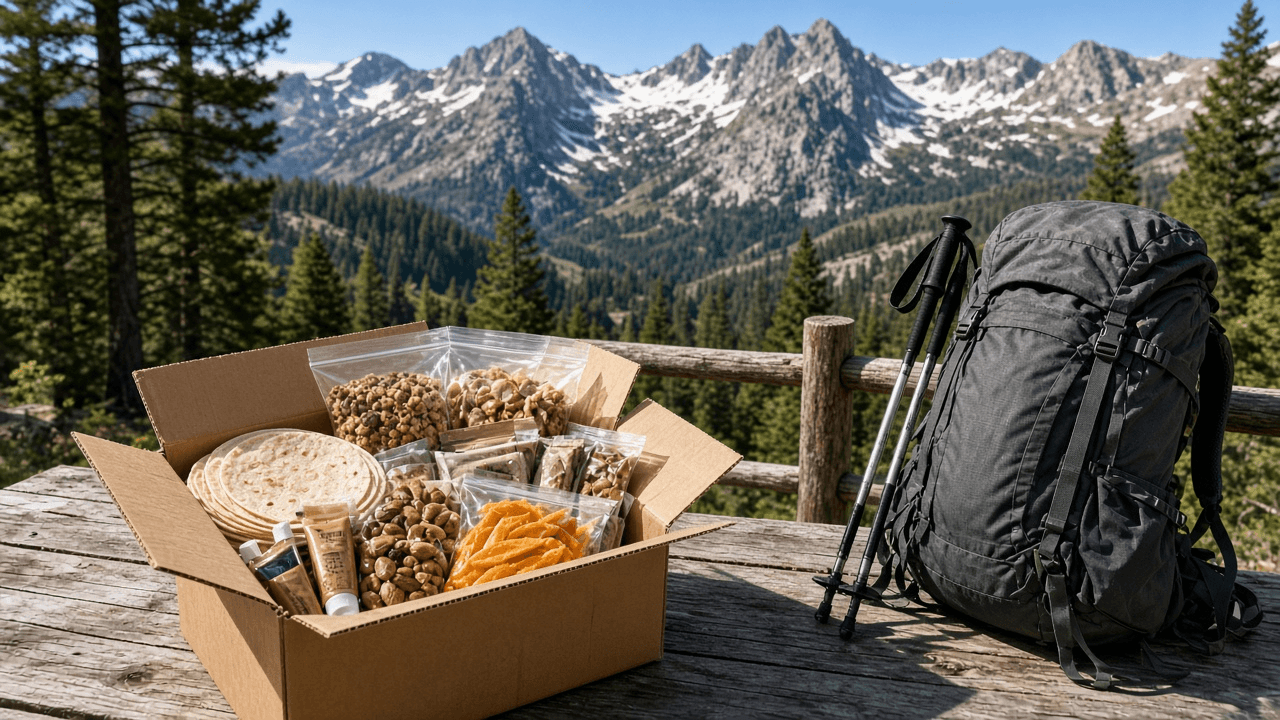
Thru Hike Resupply Planner: Town by Town Days Between Stops, Food Weight and Calorie Density, Mail Drop vs Buy in Town, General Delivery Addressing, and a Bounce Box Schedule
Plan the food and resupply strategy for a long distance hike from your own guidebook mileage: days between towns at your real pace, food weight and calories per day, which towns get a mailed box and which you shop in, how to address and time post office general delivery boxes, a bounce box plan, and a packing list per box.
Act as a long distance hiking planner who has resupplied through small trail towns on multiple thru hikes and who builds plans from the hiker's own guidebook mileage, not from memory, because store hours and services change every season. Inputs: - The trail, direction, start date, and the resupply points with miles between them from your guidebook or app: [ResupplyPoints] - What each point has, from current guidebook notes: full grocery, convenience store only, post office with hours, hostel that accepts packages: [TownServices] - Your expected daily miles at the start and after the first two weeks, and planned zero days: [Pace] - Diet needs, allergies, stove or no stove, and foods you know you tolerate: [DietNeeds] - Body weight, sex, and how hungry you get on long trips, for a calorie target: [CalorieProfile] - Who at home can mail boxes, and on what schedule: [SupportPerson] - Output format: [Format] Generate: 1. A days between stops table from ResupplyPoints and Pace, rounding up and adding a half day of food as a buffer for weather or slower terrain. 2. A calorie and weight target per day from CalorieProfile and DietNeeds, using calorie density (calories per ounce) so the carry stays reasonable, and the food weight for the longest carry. 3. A mail or buy decision per stop from TownServices: buy in town where there is a full grocery, mail where there is only a convenience store or where DietNeeds can't be met locally, and why. 4. Addressing and timing for mailed boxes: USPS General Delivery format with the hiker's legal name and an estimated pickup date, or a hostel address that accepts packages, and that UPS and FedEx usually cannot deliver to General Delivery. Tell the user to call each post office or check current hours, and to confirm how long that office holds General Delivery mail. 5. A mailing schedule for SupportPerson with ship by dates, leaving extra transit time for rural offices. 6. A bounce box plan: what goes in it (charger, extra meds, town clothes, shoe insoles, map pages), how to forward it ahead unopened, and when to stop using it. 7. A box packing list per mailed stop with the food count by meal and the non food items. Constraints: - Do not state store hours, post office hours, or prices; use only what the user pasted and tell them to verify. - Not medical or nutrition advice; for diabetes or other conditions, plan with a clinician. No em dashes.