How to Use the Septic Maintenance Prompt to Protect Your Drain Field and Avoid Costly Repairs
Keep a septic system working and avoid a five figure drain field replacement: estimate a pumping interval from tank size and household, know what the pumper should measure and check, protect the drain field from cars, roots, and roof water, change the habits that clog systems, recognize early failure signs, and keep the records a buyer or county inspector will ask for.
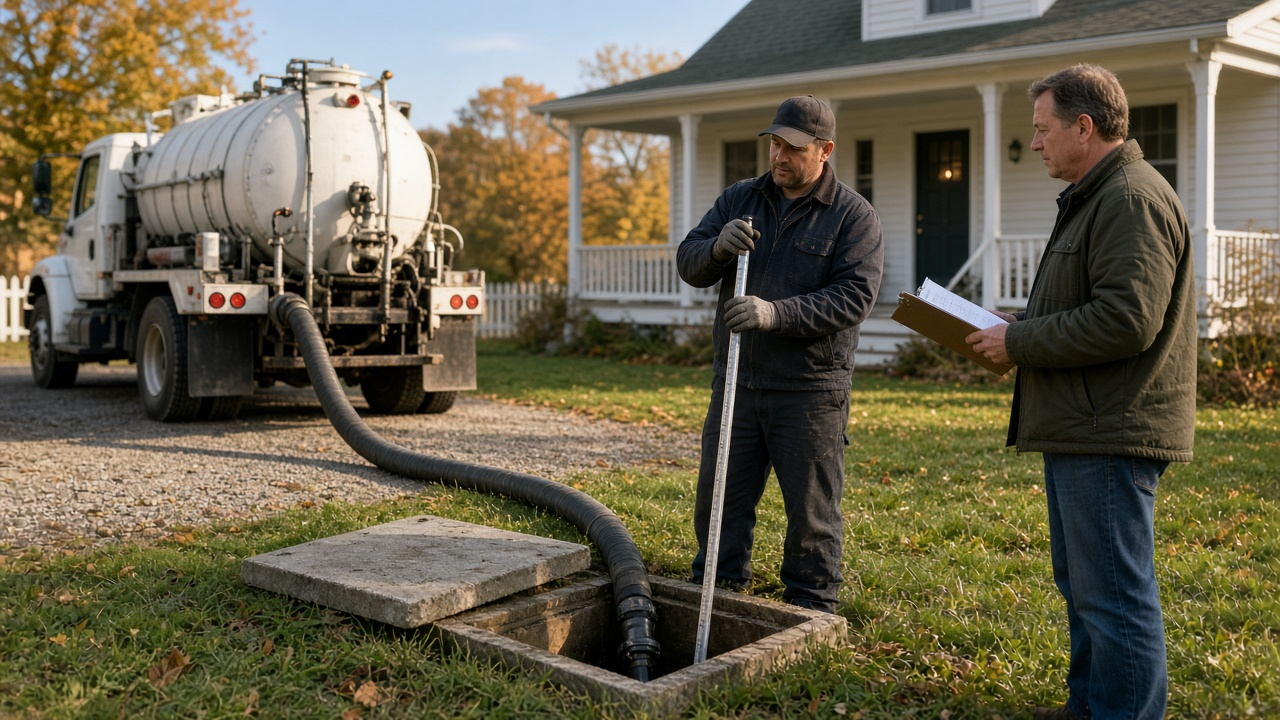
If your home has a septic system, it is probably out of sight and out of mind until something goes wrong. Slow drains, a sewage smell in the yard, or a soggy patch over the drain field can mean the system is already struggling, and replacing a drain field is one of the most expensive repairs a homeowner can face. Most failures are preventable with regular pumping, a few habit changes, and keeping cars and tree roots away from the field. The Septic System Maintenance Plan for Homeowners: Pumping Interval from Tank Size and Household, Pumper Visit Checklist with Sludge and Scum Measurements, Drain Field Protection, What Not to Flush, Failure Warning Signs, and a Records Binder prompt builds a maintenance plan around your actual tank, household, and yard.
What the prompt produces
- A pumping interval estimate based on tank size and household, framed as a starting point that the pumper's measurements will refine.
- A pumper visit checklist covering sludge and scum measurements, baffles, the effluent filter, and a written report.
- Extra steps for aerobic treatment units when your system has one.
- Drain field protection for driveways, trees, roof drains, and sump discharge.
- Household habit changes, including a do not flush or drain list and garbage disposal advice.
- A plain answer on additives.
- Warning signs with what to do and who to call.
- A records binder for site plans, pumping reports, and permits.
- A ten year calendar of pumping and checks.
How to fill the inputs
SystemDetails includes tank size, tank material, system type, age, and whether there is an effluent filter. If you do not know the tank size, the prompt marks it to check on the tank lid or in county records.
Household describes how many people live in the home and whether you use a garbage disposal, a water softener, or run a home business. These change how quickly the tank fills.
History covers the last pumping date, any measurements, repairs, or backups. New owners often only have the seller's word, and that is fine to note.
SiteNotes describes where the tank and field are and what is near them, such as trees, driveways, and where gutters drain.
LocalRules captures what you know about county health department requirements, including permits for repairs and any inspection required when selling.
Reading the example output
The example is a family of five with a 1,000 gallon tank, a daily garbage disposal, a willow near the drain field, and plans to widen the driveway and possibly sell in a couple of years.
- The pumping estimate sits at the short end of the usual range because of household size and the disposal, and it schedules pumping now since the last known service was years ago.
- The driveway plan comes with a warning to locate the tank, pipe, and field before any work, and to keep vehicles off every part of the system.
- The willow is flagged because of its aggressive roots, with a suggestion to ask the inspector about the field.
- Unknowns are marked for the county, such as the site plan and inspection rules at sale.
- The calendar builds toward the sale, with records ready ahead of time.
Tips for better results
- Ask the pumper to measure layers before pumping and write the numbers down.
- Sketch the tank lid locations with measurements from the house, so you never have to search again.
- Request your system's site plan from the county health department.
- Spread laundry across the week instead of doing it all in one day.
- Keep every report in one binder or folder.
Mistakes to avoid
- Do not wait for a backup to schedule pumping.
- Do not park, drive, or build over any part of the system.
- Do not flush wipes, even those labeled flushable.
- Do not rely on additives instead of pumping.
- Do not attempt repairs without a licensed installer and the required permit.
Who it is for
New rural and suburban homeowners, people buying a home with a septic system, landlords and short term rental hosts, and anyone planning yard projects near a drain field.
Related PromptDig links
Open the Septic System Maintenance Plan for Homeowners: Pumping Interval from Tank Size and Household, Pumper Visit Checklist with Sludge and Scum Measurements, Drain Field Protection, What Not to Flush, Failure Warning Signs, and a Records Binder prompt and describe your system to build your maintenance plan. For more home and lifestyle prompts, Browse more prompts. If you have a home maintenance prompt that helped you, Share a prompt.