How to Sketch a LlamaIndex Query Pipeline from a Component List
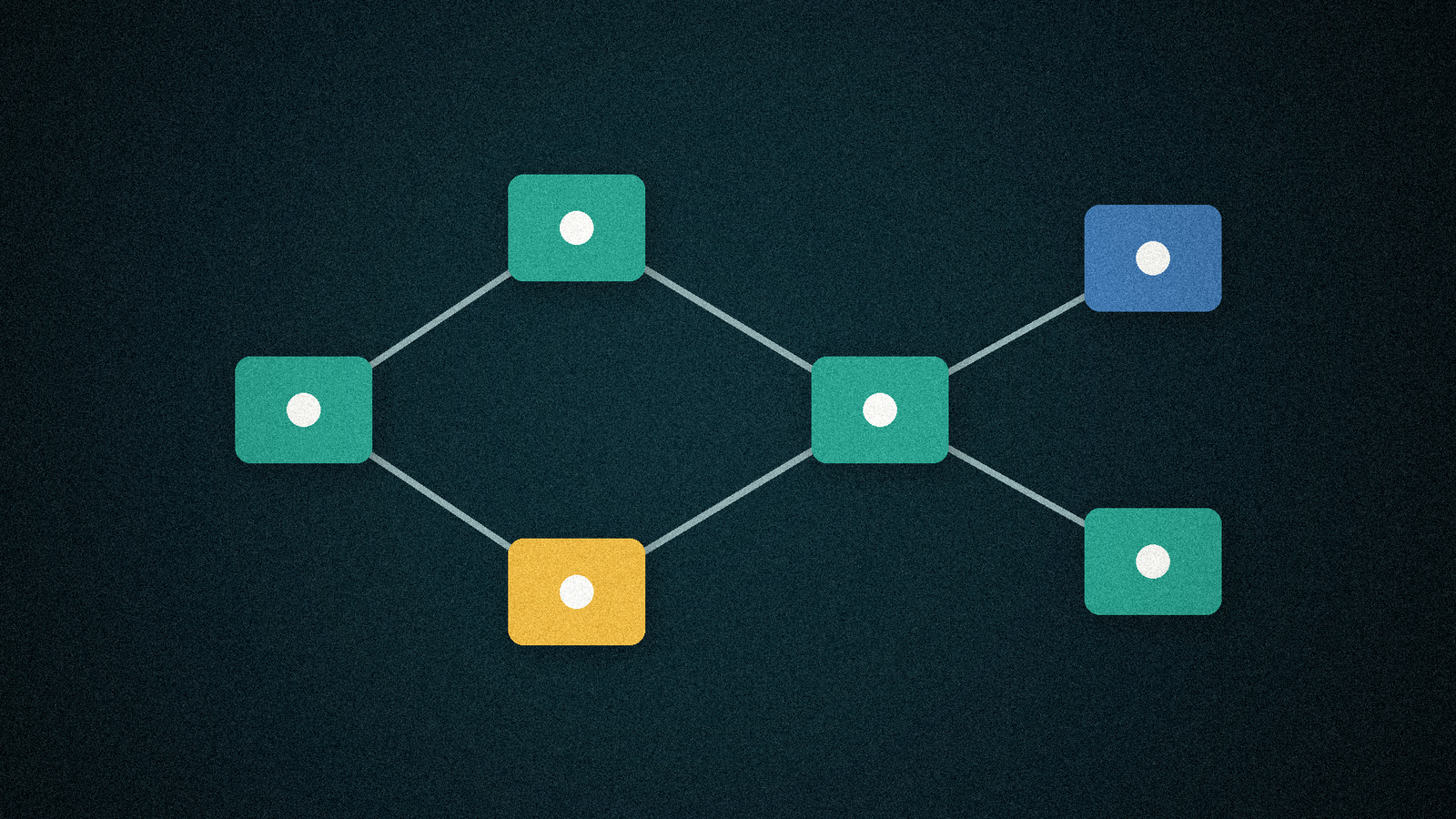
Pipeline sketches invent OpenAI classes. Nodes only from the component list.
The matching generator is the LlamaIndex Query Pipeline Sketch from a Component List (No Invented APIs) (Llamaindex Query Pipeline Sketch From Component List No Invented Apis) prompt. Browse related cards in the PromptDig library (Browse more prompts). When a filled run survives, share the version you actually use (Share a prompt).
Lock LlamaIndex version or write unknown
Sketch a LlamaIndex query pipeline from a pasted component list. Never invent modules, APIs, or index types not in Inputs. Start by filling Inputs, not by asking the model to remember last week's run. If a field is blank, write NONE or NOT IN INPUTS and leave it blank through Generate. The card is built so the model cannot honestly invent a number, owner, URL, or command that you did not paste.
Paste these fields before you hit run:
Component list (names and roles): [Components]
LlamaIndex version I lock (or UNKNOWN): [Version]
Index type I lock (or NONE): [Index]
Words I must not use: [Banned]
What I must never invent: [Never]
Output format: [Format]
Language: [Lang]
Max nodes: [Max]
That inventory is the honesty ledger. Anything that does not appear there is forbidden in the draft. If you catch yourself adding a nice-to-have after the run, you are no longer using the card. You are ghostwriting. Put the extra fact in Inputs and run again.
Wire only listed components
Generate is numbered on purpose. Do not skip a step because the first paragraph looked done. The early steps exist to stop later prose from smuggling claims.
Walk the Generate list in order:
- Honesty ledger: component count, Version status, Index status, Lang, Max. Forbidden: invented APIs, invented retrievers.
- Component map: each name/role from Components or NOT IN INPUTS.
- Pipeline sketch: up to Max nodes in order. Import paths only if present in Components.
- Wire notes: edges between listed components only.
- Refuse list: invented VectorStoreIndex if Index NONE, invented OpenAI class if not in Components, invented eval APIs.
- Diff notes: Banned/Never cuts.
- Version note: quote Version or unknown.
- Compliance pass: Banned/Never hits. Node count vs Max. Gaps list of five. Format as Format.
If a step asks for a version lock, quote the version from Inputs in the output. If a step asks for a refuse list, keep the refuse list in the published artifact, not in a sidebar you delete. Reviewers should see what the model was not allowed to do.
Refuse invented vector stores
Most failures are the same shape: a missing field gets a confident fill. A conversion rate appears. A Gradle task appears. A flash point appears. A caption appears on a job that asked for slide text only. Your review is to search the draft for numbers, names, and commands, then grep Inputs. No match means cut.
Honor the constraints as hard stops, not vibes:
- Pipeline sketch from Components only. Not LangChain LCEL and not a model card.
- Never invent APIs, index types, or LLM classes beyond Inputs.
- Stay at or under Max nodes.
- No emojis.
When the card says not legal advice, not certification, not an exam dump, or not a caption engine, that sentence belongs at the top of the output. Deleting it to look more finished is how you inherit risk.
Leave the LLM class blank when not given
Finish with the compliance pass the prompt already asks for. Quote the banned-word hits. Cut them. Print character counts when the job has a cap. Print word counts when the job has a budget. List gaps as gaps. Five missing facts are more useful than one smooth paragraph.
Tags on the card (llamaindex query pipeline, no invented apis, llamaindex component list) are a reminder of the job shape, not an invitation to wander into a neighboring cluster. If you need a different surface, open a different PromptDig card rather than stretching this one.
Fill the card, then run
Replace every bracket. Run on ChatGPT, Claude, or Gemini. Read the ledger first, then the artifact. If the model invents a commit, KPI, DOI, PEL, bid, or logo, discard the run. Tighten Inputs. Run again. Share the filled card that survived, not the first draft that sounded done.