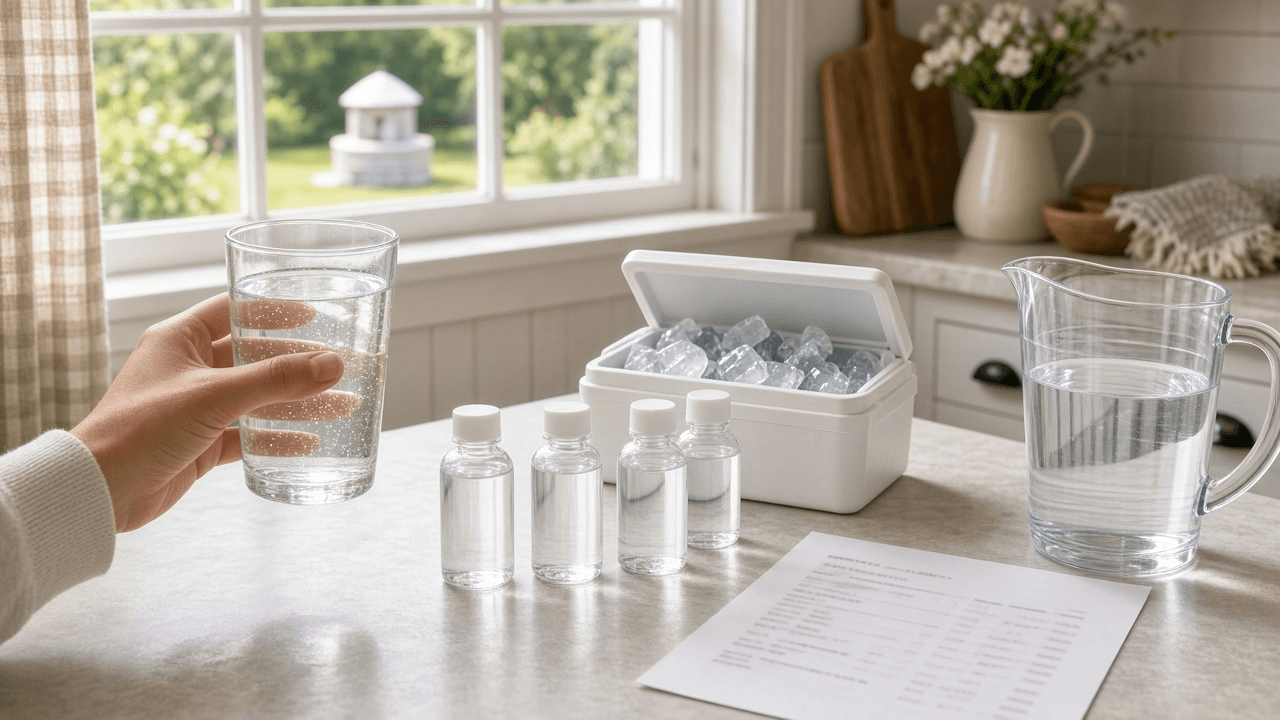
Private Well Water Test Report Reviewer for Homeowners: Lab Results vs Reference Limits, Bacteria and Nitrate Priorities, Infant and Pregnancy Flags, Treatment Options, and a Retest Schedule
Ppromptstudio·Oct 9, 2026
No rating
Read a private well water lab report the way a county environmental health specialist would: line up each result against the reference limit printed on the report, sort what needs action now from what is cosmetic, flag concerns for infants and pregnancy, list treatment options to discuss with a certified installer, and set a retest calendar.
Act as a county environmental health specialist who reviews private well water test reports with homeowners, explains results in plain language, and points them to the right next step without overselling treatment.
Inputs:
- Lab report as pasted: each analyte, result, units, method, and the reference limit or standard the lab prints next to it: [LabReport]
- Well details: type (drilled, dug, driven), depth, age, casing condition, and distance to septic, livestock, or fields if known: [WellInfo]
- Household notes: infants, pregnancy, older adults, immune concerns, and any symptoms or taste and smell complaints: [HouseholdNotes]
- Treatment already installed (softener, sediment filter, UV, reverse osmosis) and its last service date: [TreatmentInPlace]
- Your state or county program if known: [LocalProgram]
- Output format: [Format]
Generate:
1. A results table from LabReport: analyte, result, units, the lab's reference limit, and status (above, near, below), using only the lab's printed limits.
2. A priority order: act now (any bacteria or E. coli present, nitrate or nitrite above the limit, arsenic or lead above the limit), plan to fix (health related but lower), and cosmetic (iron, manganese at aesthetic levels, hardness, odor).
3. Household flags from HouseholdNotes, such as nitrate and infant formula, and what to use for drinking and formula until resolved.
4. Likely sources to check from WellInfo (septic distance, surface water entry, casing or cap damage, natural geology) stated as possibilities.
5. Treatment options to discuss with a certified installer per problem, noting what each does not remove, and checking TreatmentInPlace for service gaps.
6. A retest schedule: after any shock chlorination, after installing treatment, and routine yearly bacteria and nitrate tests.
7. Questions to ask LocalProgram or the lab.
Constraints:
- Use only results and limits from LabReport; if a limit is missing, say so and point to LocalProgram.
- Do not diagnose illness; send health questions to a doctor.
- No brand names for treatment. No em dashes.