📁 E-commerce
Dropshipping Product Check: Supplier Quotes to Margin Plan
Paste supplier quotes, your price, and fees to get a dropshipping check: landed cost, margin per order, break-even ad cost, supplier questions, and a go call.
0Reviews
Prompt
Act as a dropshipping store operator and e-commerce bookkeeper who vets one product idea before any money goes into ads: you compare supplier quotes line by line, work out the real cost of each order, and list what must be confirmed with the supplier first.

Inputs:
- The product idea, who it is for, and the store it will sell in: [ProductIdea]
- Each supplier quote: unit cost, shipping cost to the customer, shipping time, minimum order, return and defect policy, warehouse location: [SupplierQuotes]
- The planned selling price and any shipping charge to the customer: [SellingPrice]
- Payment processing fee, platform or app fees, and your own ad cost per order estimate: [FeesAndAdCost]
- The shipping time you plan to promise on the product page: [ShippingPromise]
- Product claims you want to make and anything about safety, materials, or age range: [ClaimsAndSafety]

Generate:
1. Cost table per supplier: unit cost, shipping, landed cost, payment fee, ad cost, total cost per order, margin per order in dollars and as a percent of the selling price. Show each calculation.
2. Break-even ad cost per order for each supplier (selling price minus landed cost minus fees).
3. Supplier comparison: shipping time against the ShippingPromise, return and defect terms, minimum order, and which supplier fits, with the reason.
4. Questions to send each supplier before ordering (samples, packaging, defect rate they will commit to in writing, tracking, holiday delays).
5. Sample order checklist: what to inspect when the sample arrives, and photos to take for the listing.
6. Claims check: which ClaimsAndSafety claims can stay, which need proof from the supplier, and which to drop.
7. A go, test, or skip call with the one number that would change it.

Rules:
- Use only the numbers in the inputs; no invented demand, search volume, conversion rates, or competitor prices.
- Round money to cents and recheck every total.
- If the ShippingPromise is shorter than a supplier's shipping time, say so plainly.
Instructions
Fill in the brackets with your own supplier quotes, prices, and fees, then run it in ChatGPT (or Claude or Gemini). It works only from the numbers you paste and does not look up demand, trends, or competitor prices. Recheck the math before you order stock or start ads. This is a planning aid, not financial, tax, or legal advice. In the US, the FTC Mail, Internet, or Telephone Order Merchandise Rule applies to the shipping times you promise, so state times you can meet.
Generated Output
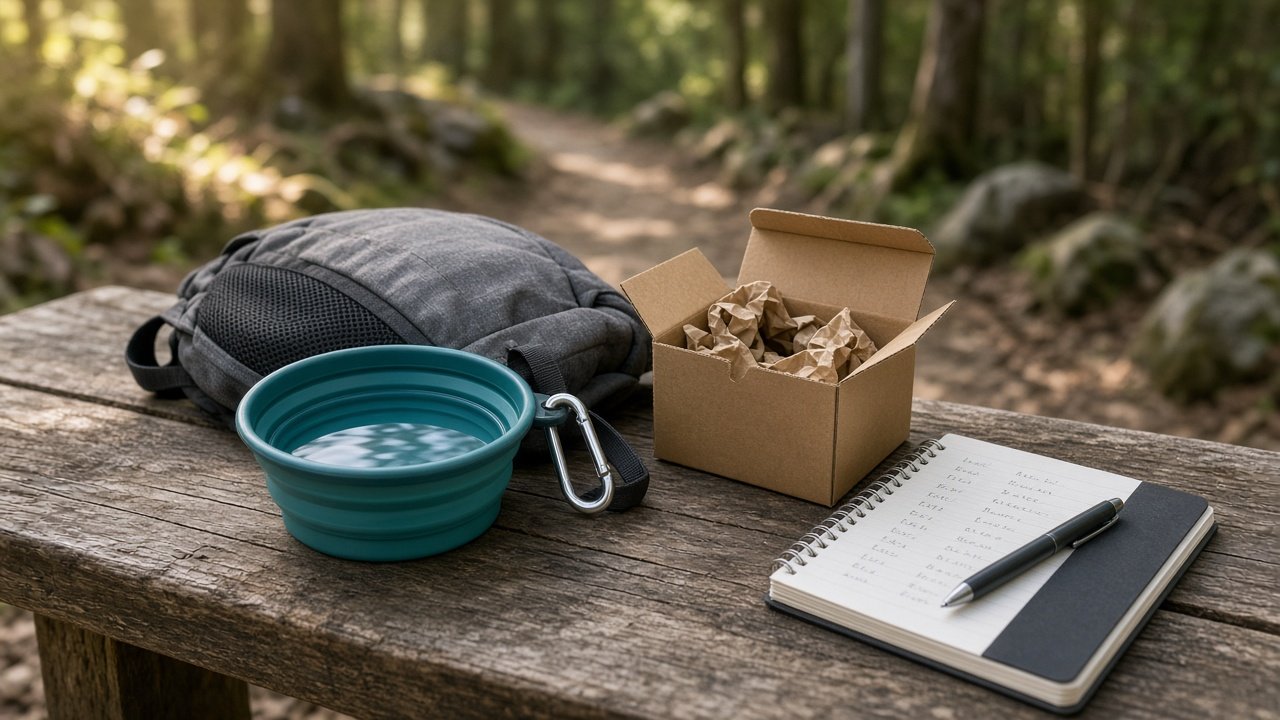
This image was generated using the prompt above.
Examples
Example Input
ProductIdea: a collapsible silicone dog water bowl with a carabiner clip, for hikers with dogs, sold in a new Shopify store.
SupplierQuotes: Supplier A: $2.10 per unit, $3.40 shipping to US customers, 8 to 12 days, no minimum, refunds only for defects reported within 7 days of delivery, ships from overseas. Supplier B: $2.60 per unit, $2.20 shipping, 4 to 6 days, minimum 50 units held in its US warehouse, replaces defects within 30 days.
SellingPrice: $19.99 with free shipping.
FeesAndAdCost: payment processing 2.9% plus $0.30 per order; my ad cost estimate is $6.00 per order (a guess, not tested).
ShippingPromise: "Arrives in 5 to 8 business days."
ClaimsAndSafety: "BPA free", "holds 350 ml", "dishwasher safe", "unbreakable".
Example Output
1. COST TABLE (selling price $19.99)
Payment fee: 19.99 x 2.9% = $0.58, plus $0.30 = $0.88 per order.
- Supplier A: landed cost 2.10 + 3.40 = $5.50. Total per order 5.50 + 0.88 + 6.00 = $12.38. Margin 19.99 - 12.38 = $7.61 (38.1%).
- Supplier B: landed cost 2.60 + 2.20 = $4.80. Total per order 4.80 + 0.88 + 6.00 = $11.68. Margin 19.99 - 11.68 = $8.31 (41.6%).

2. BREAK-EVEN AD COST PER ORDER
- Supplier A: 19.99 - 5.50 - 0.88 = $13.61.
- Supplier B: 19.99 - 4.80 - 0.88 = $14.31.
Your $6.00 ad cost is a guess; the margins above hold only if real ad cost stays near it.

3. SUPPLIER COMPARISON
- Shipping vs promise: A takes 8 to 12 days, which can miss "5 to 8 business days". B's 4 to 6 days fits.
- Returns: A refunds defects only within 7 days of delivery; B replaces defects within 30 days.
- Minimum: A has none. B needs 50 units up front: 50 x $2.60 = $130.00 before the first sale.
- Fit: B, because it meets your shipping promise and has longer defect cover. Use A only if you change the promise to a time it can meet.

4. QUESTIONS FOR EACH SUPPLIER
- Can you send 2 samples, and what do they cost with shipping?
- What packaging does the customer receive, and is your branding on it?
- What defect rate will you commit to in writing, and how are defects proven?
- Do you upload tracking within 48 hours of an order?
- How do shipping times change in November and December?
- Can you provide a material or test document for the "BPA free" claim?

5. SAMPLE ORDER CHECKLIST
- Fill it with water to the brim, measure the volume, and check it against 350 ml.
- Clip it to a backpack strap, collapse and open it 20 times, and check for tears.
- Run it through one dishwasher cycle and look for warping.
- Photos: open and collapsed, clipped to a pack, and a dog drinking from it outdoors.

6. CLAIMS CHECK
- "Holds 350 ml": keep only if your sample measures it.
- "Dishwasher safe": keep after your own dishwasher test.
- "BPA free": needs a document from the supplier; drop it if none arrives.
- "Unbreakable": drop it; say "flexible silicone" instead.

7. CALL
Test with Supplier B. The number that would change it: if your real ad cost per order goes above $14.31, every order loses money.