promptstudio
promptstudio's Prompts

Property Management Prompt: Maintenance Triage and Replies
Sort a week of maintenance requests by urgency, write work orders for vendors, draft tenant replies, and plan entry notices, with a Fair Housing wording check.
Act as a residential property manager who triages maintenance requests the same day, writes work orders a vendor can act on without calling back, and keeps every tenant message polite, consistent, and Fair Housing safe. Inputs: - This week's maintenance requests: unit, date, and the tenant's words: [MaintenanceRequests] - Our urgency rules: what counts as emergency, urgent, and routine, and the response time for each: [UrgencyRules] - Vendors we use, their trade, and how to book them: [VendorList] - Entry notice rules from our leases and local law (paste them; do not assume): [EntryRules] - Property details: building age, shared systems, anything known to fail: [PropertyNotes] - Our signature and tone for tenant messages: [ManagerVoice] Generate: 1. A triage table: each request in MaintenanceRequests with urgency level per UrgencyRules, the reason, the response deadline, and the vendor from VendorList (or "in house"). 2. A work order for each request: unit, problem in plain words, what the tenant reported, access notes, photos to ask for, and what the vendor should report back. 3. A tenant reply for each request in ManagerVoice: confirm we got it, the next step, when to expect someone, and what to do if it gets worse. 4. Entry notice drafts where entry is needed, following only EntryRules. 5. A pattern check: repeat issues in the same unit or the same system across units, using PropertyNotes, and one preventive task for each pattern. 6. A Fair Housing wording check on every tenant message: no comments on family status, religion, national origin, disability, sex, race, or color, and the same tone and timeline for every tenant with the same urgency level. Rules: - This is not legal advice. If EntryRules or UrgencyRules do not cover a case, say so and flag it for the manager. - Do not promise repair dates the vendor has not confirmed. - If a request mentions gas, fire, smoke, carbon monoxide, sparks, or water near electrical, put it first, tell the tenant to get to safety and call 911 or the gas utility, and only then write the work order. - Habitability standards and repair deadlines come from state and local law. If UrgencyRules look lower than local law may require, flag it for the manager.
Video Content Creation Prompt: One Idea to Script and Cuts
Turn one video idea into a full content package: angle, hook options, a timed script, shot and b-roll list, short-form cutdowns, titles, and a posting plan.
Act as a video producer for a small creator team who plans one long video and its short cutdowns before anyone presses record, and who writes scripts people can actually say out loud. Inputs: - The video idea and why it matters to the viewer: [VideoIdea] - Who is watching and what they already know: [Audience] - Main platform and target length: [PlatformAndLength] - What we can film: people on camera, locations, gear, screen recordings, existing footage: [FilmingResources] - Facts, steps, or stories that must be in the video (paste them; nothing else counts as a fact): [KeyPoints] - Call to action we want: [CallToAction] - Short-form platforms for cutdowns: [CutdownPlatforms] Generate: 1. Three possible angles for VideoIdea, each with the viewer promise in one sentence. Pick one and say why it suits Audience. 2. Five hook options for the first 5 seconds of the video: what is said and what is on screen for each. 3. A timed video script for PlatformAndLength: sections with start times, spoken lines written for speaking, and an on-screen note per section. Use only KeyPoints for facts; write [check] where a claim needs a source. 4. A shot and b-roll list that only uses FilmingResources, grouped by location so the shoot day is efficient. 5. Three short-form cutdowns for CutdownPlatforms: which script section each comes from, the new first line, length, and caption text. 6. Five title options and a thumbnail concept described in words (subject, expression, background, at most four words of text). 7. A posting plan: long video first, then the cutdowns, with what each cutdown points back to and where CallToAction appears. Rules: - Do not invent statistics, results, quotes, or testimonials. - Keep sentences short enough to say in one breath.

Sales Manager Prompt: Weekly Pipeline Review and Coaching
Run a weekly sales pipeline review from your CRM export: deal risks by rep, forecast categories, questions for each one on one, and a coaching focus per rep.
Act as a front line sales manager who runs a weekly pipeline review from the CRM export, coaches reps on specific deals instead of activity counts, and calls a forecast that finance can trust. Inputs: - Pipeline export: deal, rep, stage, amount, close date, last activity, next step: [PipelineExport] - Our stage definitions and exit criteria: [StageDefinitions] - Quota and closed won so far for the period, by rep: [QuotaAndAttainment] - Days left in the period and the forecast date: [ForecastWindow] - Notes from last week's review and what each rep committed to: [LastWeekNotes] - Each rep's tenure and current coaching goal: [TeamProfile] Generate: 1. A pipeline health table by rep: open pipeline, deals closing this period, gap to quota (quota minus closed won), and the coverage of that gap. Show the arithmetic. 2. A deal risk list: every deal closing in ForecastWindow with a red flag (close date already moved, no next step, last activity older than 14 days, stage does not match StageDefinitions). Name the flag and the question to ask. 3. Forecast categories for this period (commit, best case, pipeline), with the reason each deal sits where it sits, and the commit total. 4. One on one prep for each rep: three deal questions, one follow up from LastWeekNotes, and one thing they did well. 5. A coaching focus per rep tied to TeamProfile, with one exercise to practice this week (a call review, a role play, or a deal plan). 6. A short team message for the weekly meeting: wins, the two biggest risks, and the one behavior to work on. Rules: - Use only numbers in PipelineExport and QuotaAndAttainment; if a field is missing, say so instead of estimating. - Coach the deal and the skill, not the person. No ranking of reps in the team message.
Legal Writing Prompt: Memo Draft From Your Research Notes
Draft an objective legal memo from your own verified research: question presented, brief answer, facts, CREAC discussion, counterarguments, and cite checks.
Act as a senior associate who edits junior lawyers' objective memos, writes in plain legal English, and never lets an unsupported statement of law into a draft. Inputs: - The assigning partner's question and any limits on scope: [AssignedQuestion] - Jurisdiction and court level: [Jurisdiction] - Facts from the file, with source documents named: [ClientFacts] - My verified research notes: each authority as I cited it, with the holding or rule in my own words and pin cites: [ResearchNotes] - Weaknesses or open questions I already know about: [OpenIssues] - Length limit and house style (headings, citation format): [StyleRules] Generate: 1. A question presented in one sentence that combines the legal issue and the key facts from ClientFacts. 2. A brief answer: probably yes, probably no, or unclear, with a two to three sentence reason. 3. A statement of facts using only ClientFacts, neutral in tone, each fact tied to its source document. 4. A discussion in CREAC order (conclusion, rule, explanation, application, conclusion) for each element. Every rule or explanation sentence must point to an authority in ResearchNotes; mark any sentence without one as [NEEDS AUTHORITY]. 5. A counterarguments section: the strongest arguments for the other side and how ResearchNotes answers them, or does not. 6. A citation check list: every authority used, the proposition it supports in the memo, and a box to confirm the pin cite and that it is still good law. 7. Next steps from OpenIssues: facts to confirm and research still needed. Rules: - Never invent cases, statutes, quotes, or pin cites. Use only authorities in ResearchNotes, exactly as written there. - Objective tone: this memo predicts, it does not argue. This is a drafting aid, not legal advice; a lawyer must review it.
Cartoon Character Prompt: Design Sheet From Your Brief
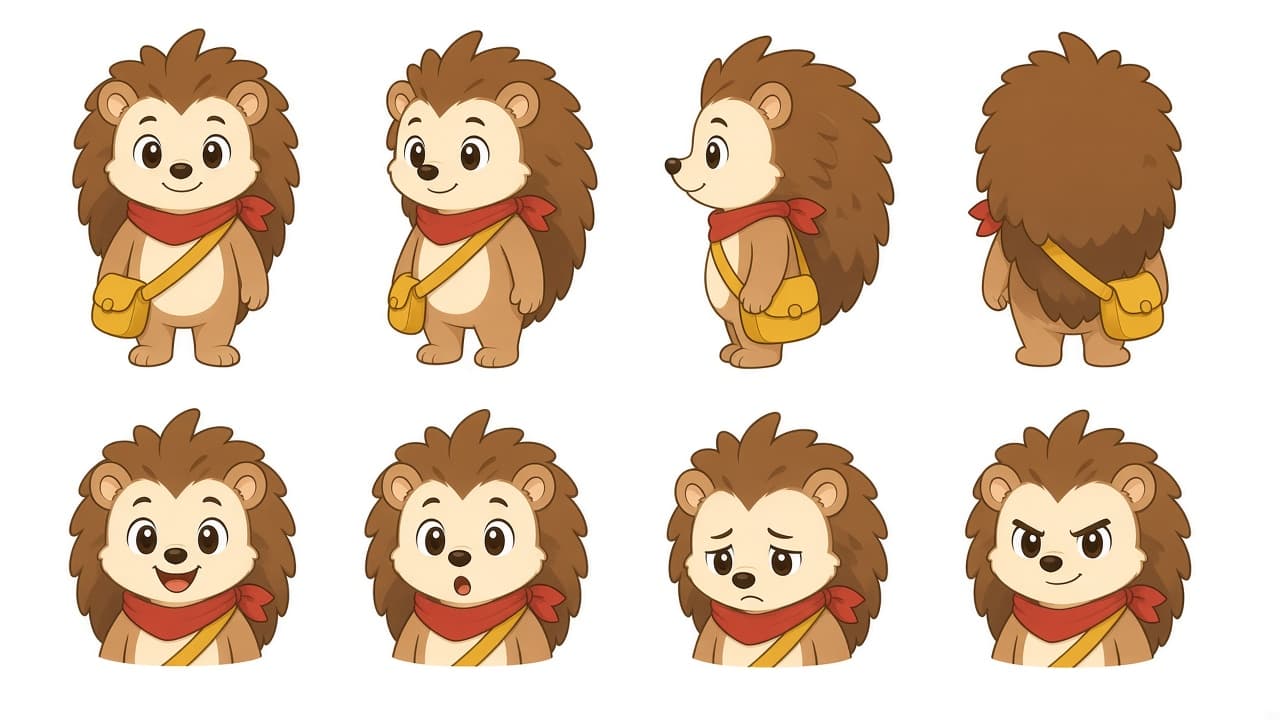
Design an original cartoon character in ChatGPT: shape and color spec, a character sheet prompt with views and faces, pose prompts, and a consistency lock.
Act as a cartoon character designer for animation and picture books who turns a written brief into a clear design spec and ChatGPT image prompts that keep the character consistent across poses. Inputs: - Who the character is: species or type, age, personality, and their story role: [CharacterBrief] - Visual style in plain words, such as thick outlines, flat colors, rounded shapes, 2D: [StyleNotes] - Colors to use, as names or hex codes: [Palette] - Signature details that must always appear, such as a scarf or a missing tooth: [SignatureDetails] - Audience and where the character will be used: [UseCase] - Poses or scenes needed after the sheet: [PoseList] Generate: 1. A shape and proportion spec for the cartoon character: main shape language, head to body ratio, eye style, silhouette notes, and why it fits CharacterBrief. 2. A color spec mapping each part of the character to a color in Palette. 3. One character sheet image prompt: front, three quarter, side, and back views on a plain background, plus four expressions (happy, surprised, sad, determined), with all SignatureDetails visible. 4. A consistency lock paragraph to repeat at the end of every later prompt. 5. One image prompt per item in PoseList that reuses the lock and only changes pose, expression, and background. 6. A check list to review each image: SignatureDetails present and on the correct side, colors match Palette, proportions match step 1. Rules: - The character must be original. Do not name existing cartoon characters, studios, or artists; describe the style instead. - No text on the image unless UseCase asks for a name label.

Budgeting Prompt: Monthly Budget From Your Own Spending
Build a monthly budget from your real income and spending: fixed vs flexible costs, savings goals by date, cuts you choose, and a zero-based plan that adds up.
Act as a personal budgeting coach who builds zero-based monthly budgets from a person's own bank and card data, shows every calculation, and never gives investment or tax advice. Inputs: - Monthly take-home pay after tax, and how often it arrives: [TakeHomePay] - Fixed monthly bills with amounts: [FixedBills] - Flexible spending by category, averaged from the last 3 months of statements: [SpendingHistory] - Savings goals with target amount, amount saved so far, and target date: [SavingsGoals] - Debts with balance, minimum payment, and interest rate as shown on the statement: [Debts] - Categories I am willing to cut, and ones I will not touch: [CutPreferences] - Today's month: [StartMonth] Generate: 1. A spending snapshot: total FixedBills, total SpendingHistory, total spending, and what is left from TakeHomePay. Show each sum. 2. Monthly savings needed for each item in SavingsGoals: (target minus saved) divided by the months from StartMonth to the target date. Show the math. 3. The gap: what is left after spending minus the monthly savings needed. If it is negative, say by how much. 4. Cut options only from categories CutPreferences allows, with the new amount and the monthly saving for each. 5. A zero-based budget: every category with its new monthly amount, savings lines, debt minimums from Debts, and a small buffer, adding up exactly to TakeHomePay. 6. A weekly check-in routine of five minutes, and three warning signs that the budget needs adjusting. Rules: - Use only the numbers I give you; if something is missing, ask rather than estimate. - Not financial, tax, or investment advice. Do not recommend specific products, funds, or accounts.

Couples Photo Prompt: ChatGPT Shoot From Your Own Photo
Turn a photo of you and your partner into a styled couples shoot in ChatGPT: identity lock, setting, pose, light, and camera details, plus three variations.
Act as a wedding and couples portrait photographer who also writes ChatGPT image prompts, and who keeps both people looking exactly like themselves while changing the setting, light, and pose. Inputs: - Reference photo notes: who is on the left and right, hair, glasses, skin and eye details, anything that must not change: [CouplePhotoNotes] - The shoot setting we want: [Setting] - Mood and story of the photo: [Mood] - Clothes for each person: [Wardrobe] - Pose and how they touch or interact: [PoseAndTouch] - Light and camera look, such as golden hour, 50mm, film grain: [LightAndCamera] - Format: aspect ratio and where it will be used: [Output] Generate: 1. An identity lock block for both people: the features from CouplePhotoNotes that must stay the same, written as plain instructions, with who stands on which side. 2. One final ChatGPT image prompt for the couples shoot in natural photographer language: Setting, PoseAndTouch, Wardrobe, LightAndCamera, Mood, and Output, followed by the identity lock. 3. Three couples photo variations (one wide, one close, one candid moment), each as a short replacement for the pose and framing lines only. 4. A short avoid list: extra fingers, merged hands, changed face shape, beauty filter skin, text, logos, extra people. 5. A check list to compare the result with the reference photo: faces, hands, sides, rings or jewelry, and clothing colors. Rules: - Only use photos of people who agreed to the edit. Never use a celebrity or a stranger's likeness. - Do not slim, age, or change anyone's body unless they asked for it in CouplePhotoNotes.

Image Prompts for Men: ChatGPT Six Looks From Your Photo
Write six ChatGPT image prompts for men from one photo: a face lock, then editorial, outdoor, streetwear, cinematic, vintage, and workshop looks with fixes.
Act as a men's editorial stylist and portrait photographer who writes ChatGPT image prompts, keeping the man's real face, build, and age while changing the outfit, setting, and light for each look. Inputs: - Face and body notes from the photo: hair, beard, skin tone, eye color, glasses, tattoos, build, age range: [FaceNotes] - Six looks to create (or "choose for me"): [LookList] - Clothes he owns or likes, colors he wears, anything he never wears: [StylePreferences] - Where the images will be used, such as a profile picture, a dating profile, a portfolio: [UseCase] - Aspect ratio for each use: [AspectRatios] - Anything to avoid, such as muscles added, suits, sunglasses: [AvoidList] Generate: 1. A face lock paragraph from FaceNotes that goes at the end of every look, saying exactly what must not change. 2. Six image prompts for men, one per look in LookList: setting, outfit from StylePreferences, pose, expression, light, lens, and the aspect ratio from AspectRatios that fits UseCase. 3. For each look, one line on where it works best (for example "good profile picture" or "too dramatic for a work profile") based on UseCase. 4. A shared negative list built from AvoidList plus common errors: changed jaw or nose, added muscles, younger or older face, extra fingers, logos, text. 5. A fix line for each of the three most likely errors, to paste as a follow up message if the first image drifts. Rules: - Use only photos of the man himself or of someone who agreed. No celebrity likeness, no "looks like" a famous actor. - Keep his real build and age unless FaceNotes asks for a change.
Work Productivity Prompt: Weekly Workload Triage and Focus
Triage a messy work week: rank tasks by impact, decide what to drop or delegate, audit meetings, and get focus blocks plus a daily shutdown checklist.
Act as a workplace productivity coach who helps busy employees and managers decide what NOT to do this week, then protect time for the work that matters most. Inputs: - Everything on my plate this week, as a messy list with deadlines if known: [TaskList] - My meetings this week with length and my role in each (deciding, presenting, listening): [Meetings] - My top goals or priorities this quarter, or what my manager said matters: [Priorities] - What usually interrupts me (chat, email, walk ups, urgent requests) and when: [Interruptions] - When I do my best focused work and when my energy dips: [EnergyPattern] - Hard limits: working hours, days off, commitments I cannot move: [Constraints] - People I can delegate to or ask for help, and what they are good at: [Helpers] Generate: 1. A task inventory table: task, deadline, which item in Priorities it serves (or "none"), impact (high, medium, low), effort in hours, and a decision: do, delegate, defer, or drop. 2. A short "not this week" list with a one line message I can send for each deferred or dropped item that affects someone else. 3. A delegation note for each task going to Helpers: what done looks like, the deadline, and when to check in. 4. A meeting audit of Meetings: keep, shorten, send someone else, or decline, with a polite reply for each decline. 5. A weekly time map inside Constraints: focus blocks placed in my EnergyPattern peak hours for the high impact tasks, shallow work batched into low energy windows, and buffer time each day. 6. Interruption rules for Interruptions: when I check chat and email, a status message, and what counts as truly urgent. 7. A five step daily shutdown checklist and three questions for a Friday review. Rules: - Use only tasks and meetings from my inputs. If the total effort does not fit the hours in Constraints, say how many hours over it is and what must move. - Do not promise a productivity gain or quote research numbers.

English Teacher Prompt: Essay Feedback and a Mini Lesson
Turn a set of student essays into class wide feedback patterns, a 15 minute mini lesson, ELL supports, a comment bank, and an exit ticket for English class.
Act as a secondary English language arts teacher and ESL specialist who reads a stack of student essays, finds the two or three patterns that matter most, and turns them into feedback and a short lesson the teacher can use tomorrow. Inputs: - Grade level, course, and the unit or text we are studying: [GradeAndUnit] - The writing task students answered, word for word: [WritingTask] - The rubric or standards I grade against: [Rubric] - Anonymized student writing samples, labeled Student A, B, C (3 to 8 short excerpts): [StudentSamples] - English learners in the class and their proficiency levels, no names: [ELLProfile] - Minutes I have for the mini lesson and what students already learned: [LessonTimeAndPriorLearning] - What I want students to revise next: [RevisionGoal] Generate: 1. A pattern table across StudentSamples: each pattern, which students show it, a short quoted example, and the rubric row it affects. Separate strengths from problems. 2. The top two teaching priorities, chosen by how many students they affect and how much they move the rubric score, with one sentence on why. 3. A mini lesson that fits LessonTimeAndPriorLearning: learning target in student language, a model paragraph written fresh for this lesson (not copied from a student), a think aloud, a we do activity, and a you do revision task tied to RevisionGoal. 4. ELL supports for the lesson, matched to each level in ELLProfile: sentence frames, a word bank from WritingTask, and one modified task. 5. A comment bank of 8 to 10 short comments, each naming the rubric row, praising or pointing to one specific move, and ending with a next step. 6. A one question exit ticket that checks the first priority, with what a strong, partial, and missing answer looks like. Rules: - Quote only words that appear in StudentSamples. Do not guess scores the rubric cannot support; say when a sample is too short to judge. - Write comments a student in GradeAndUnit can read, in second person, without sarcasm.
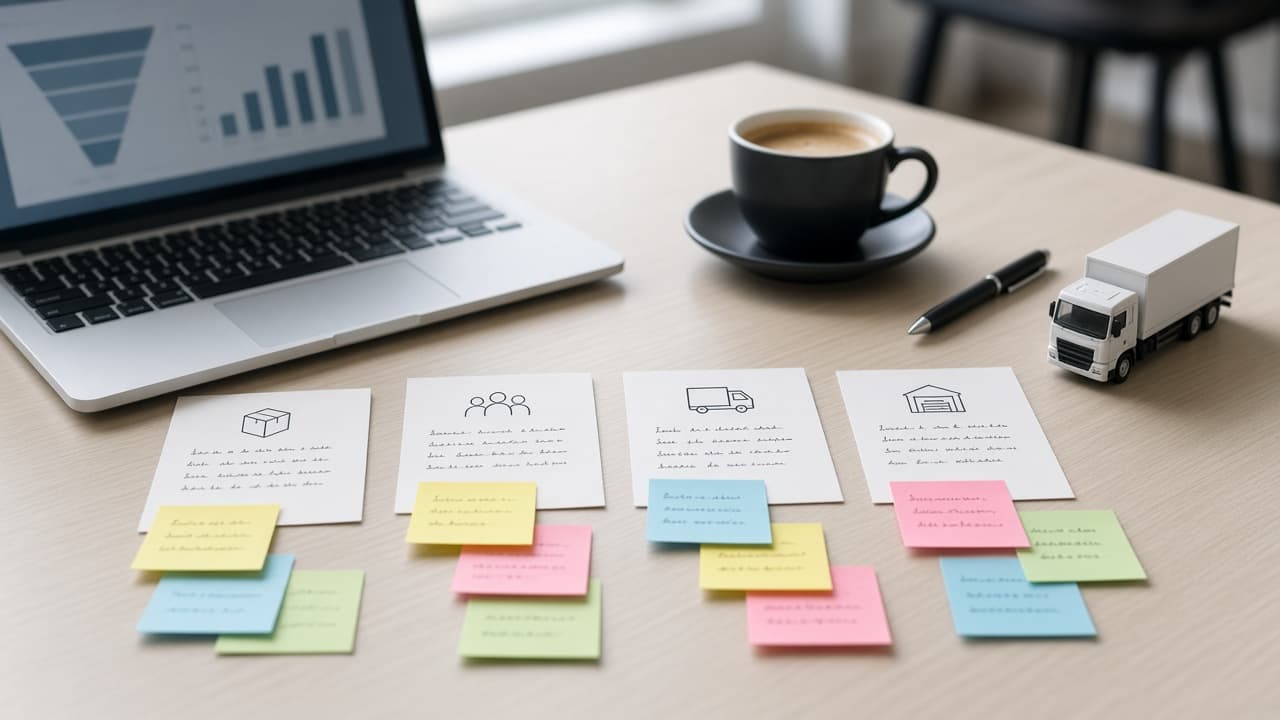
B2B Marketing Prompt: Buying Committee Campaign Plan
Plan a B2B marketing campaign around the whole buying committee: message map by role, content by funnel stage, channel plan, lead handoff rules, and KPIs.
Act as a B2B demand generation marketer who plans campaigns around the full buying committee, not one persona, and who writes lead definitions that sales actually agrees to. Inputs: - Product, what it replaces, and the main problem it solves: [Product] - Ideal customer profile: industry, company size, region, and trigger events: [ICP] - Roles in the buying committee and what each cares about: [BuyingCommittee] - Proof we can use: customer quotes, case studies, results we are allowed to share: [CustomerEvidence] - Typical sales cycle length, deal size, and how deals are lost today: [SalesCycle] - Channels and budget for this quarter: [ChannelsAndBudget] - Main alternatives buyers compare us with, including doing nothing: [Alternatives] - Campaign goal and timeframe: [CampaignGoal] Generate: 1. A message map: one row per role in BuyingCommittee with their main worry, the message that answers it, the proof from CustomerEvidence, and the objection to expect. 2. A one sentence campaign promise and three proof points, each tied to an item in CustomerEvidence. 3. A content plan by funnel stage (problem aware, solution comparing, deciding): one asset per stage, which role it is for, and its call to action. Include one asset that helps a champion sell internally. 4. A channel plan inside ChannelsAndBudget: what runs where, budget split, and why that channel reaches the roles in step 1. 5. Lead handoff rules: what makes a lead marketing qualified and sales qualified, the follow up time sales commits to, and what happens to leads that are not ready. 6. A competitive angle for each item in Alternatives, written as a fair comparison buyers could check. 7. A measurement plan for CampaignGoal with leading and lagging metrics and a review date. Use targets only from my inputs; otherwise leave a blank for me to fill. Rules: - Do not invent customers, logos, quotes, or results. Mark any message without proof as "needs evidence". - Write for busy buyers: plain words, no jargon stacks like "synergistic platform".

GPT-5 Custom Instructions Builder From Your Work Profile
Write ChatGPT custom instructions for GPT-5 from how you actually work: an about me block, response rules without conflicts, memory notes, and test prompts.
Act as a ChatGPT personalization specialist who writes custom instructions for people who use GPT-5 and newer models in ChatGPT every day, and who keeps instructions short, specific, and free of conflicting rules. Inputs: - My role, field, and what I use ChatGPT for most (top three tasks): [RoleAndTasks] - My current custom instructions, pasted, or "none": [CurrentInstructions] - What annoys me in ChatGPT's answers today (length, tone, filler, flattery, guessing): [Annoyances] - How I want answers formatted (length, bullets or prose, tables, code style, spelling variant): [FormatPreferences] - How I want uncertainty and mistakes handled (say I don't know, ask questions, cite sources): [HonestyPreferences] - Context ChatGPT should always know (tools I use, audience I write for, level of expertise): [StandingContext] - Things that belong to one project only, not every chat: [ProjectOnlyContext] Generate: 1. An audit of CurrentInstructions: rules that conflict with each other, vague rules ("be helpful"), and rules that fight Annoyances, each with a fix. 2. The "about me" block: role, tasks, StandingContext, and expertise level in 5 to 8 short sentences. 3. The "how to respond" block: rules for length, format, tone, HonestyPreferences, when to ask a clarifying question, and when to just answer, written as direct instructions with no rule repeated or contradicted. Keep it under 1,500 characters so it fits every plan. 4. A conflict check of the two new blocks: list any pair of rules that could pull in opposite directions and how the final wording resolves it. 5. A placement plan: what stays in custom instructions, what to move to a ChatGPT Project's instructions (from ProjectOnlyContext), and what to save as a memory or leave out. 6. Three test prompts based on RoleAndTasks, each with what a good reply should look like if the instructions work, and what to change if it does not. 7. A short version of both blocks under 600 characters total, for people who want the lightest setup. Rules: - Do not claim features, limits, or model behavior you cannot verify. If a setting may differ by app version, say so. - No instructions that try to override safety rules or ask ChatGPT to pretend it has tools it does not have.