How to Use: Terraform Module Dependency Map from Stack Inventory (No Invented Apply Seconds)
How to run Terraform Module Dependency Map from Stack Inventory (No Invented Apply Seconds) on PromptDig with locked Inputs and no invented evidence.
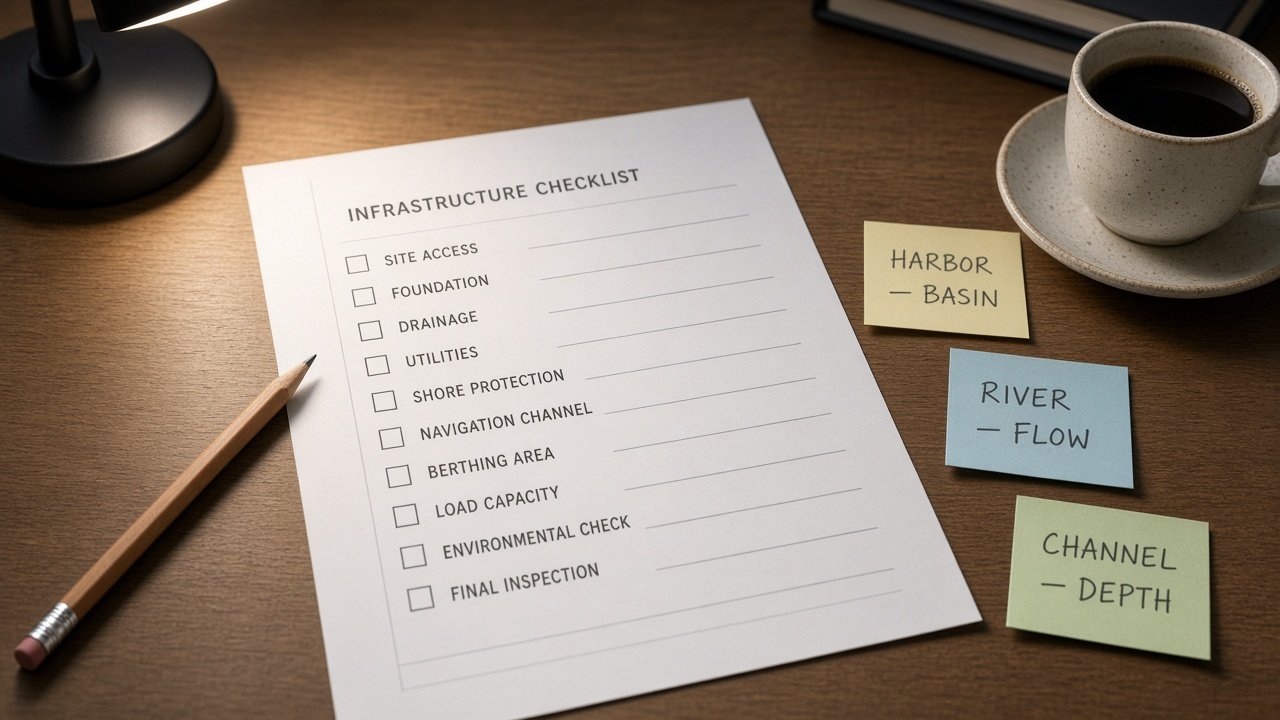
You pasted a messy Terraform inventory and need a clean deliverable without invented numbers. This PromptDig prompt turns only what you already listed into a structured map or checklist for infra handoffs.
What this prompt does
It locks your inventory, version, workspace label, and domain fields, then builds a ledger plus a table that refuses fake metrics. Missing cells stay NOT IN INPUTS instead of guessing.
Use it when you already have real stubs from Terraform and want a teachable map for this job, not a generic template swap from another vendor. The Generate steps name Terraform nouns on purpose so a title swap into another category would fail the swap-title test.
The deliverable is aimed at module dependency maps. Reviewers should see Inventory nouns echoed in the table rows, not marketing fluff. Cap style limits stay soft unless you add them later in Extra.
How to fill the brackets
- Paste your Inventory with concrete nouns only. Prefer two labeled rows so the example shape stays visible after you swap names.
- Lock Version to what you actually run. If you do not know the version, write unknown rather than guessing a marketing release name.
- Quote Workspace and SpecNames when known; otherwise UNKNOWN.
- Fill the three domain fields shown in the prompt (ModuleCues, ResourceCues, and DepNotes). Leave UNKNOWN cells alone instead of inventing polish.
- List Banned words and Never invent rules that match the risks in your org wiki.
Keep Harbor Quay and River Ops out of your production paste. Those labels exist only so the example_input shows two inventory rows. Replace them with your real labels before you run the prompt.
Example shape
The included example_input uses Harbor Quay and River Ops labels so you can see how two inventory rows become a checklist without inventing metrics. Swap those labels for your own before you run it. Keep Cap style limits if you add any later. Prefer a short second pass that only reorders rows over asking for a longer rewrite that invents missing fields.
When the model returns the map, check that every row cites an Inventory noun. If a row invents apply seconds, state lock IDs, provider credentials, or registry tokens, quote the Never line and re-run. A clean map with two honest rows beats a long table full of guesses.
Why the honesty rules matter
Teams lose trust when a model invents apply seconds, state lock IDs, provider credentials, or registry tokens. This prompt quotes Banned and Never hits, then cuts them. An honesty ledger at the top makes the refuse list easy to audit in code review or design critique.
If a teammate asks for a number that was never in the paste, the correct answer is NOT IN INPUTS plus a gaps bullet. That habit keeps infra handoffs accurate when the inventory is incomplete.
Honesty also protects you from soft plagiarism of vendor marketing pages. The prompt refuses testimonials, star ratings, and press logos that were never in Inputs. Your wiki stays a map of what you pasted, not a brochure.
Step by step run
Copy the prompt into ChatGPT, Claude, or Gemini. Replace every bracket with your locked values. Run once, then check the honesty ledger against your paste.
If the model invents a metric, quote the Banned or Never line that forbids it and re-run. Save the accepted map next to the export that produced the inventory so your team can reopen the audit trail next week without guessing what changed.
When you publish the map to a wiki, keep the Version lock in the same paragraph as SpecNames. Reviewers then see which Terraform surface the inventory claimed to describe.
After the first accept, pin the gaps list. The five bullets tell your teammates which fields still need a second export. Close gaps with new paste rows rather than asking the model to invent them.
When to skip this prompt
Skip it if you do not have a real inventory yet. Skip it if you need legal, clinical, or financial advice. Skip it if you want marketing copy with testimonials. This job is a compiler for pasted stubs, not a research agent that browses the web for missing facts.
Skip it if your goal is a full migration plan with invented timelines. The refuse list is there to stop that drift. Come back when you have at least two concrete inventory rows and a Version you can defend.
Skip it if you only need a one-line caption for social. The Generate steps teach Terraform mapping in depth, which is overkill for a caption and underkill for a security audit.
Quality checklist before you trust the output
Confirm SpecNames match your source. Confirm Version matches what you run. Confirm every numeric claim appears in Inputs. Confirm the refuse list names the invent risks you care about. Confirm Format matches what your wiki expects.
Confirm the Generate steps still teach Terraform specifically. If you could swap the title for another category and the body would still read fine, tighten the domain nouns before you trust the map. Confirm example_output stays under the character cap and still shows a real deliverable table.
Confirm no em dashes snuck into the paste. Confirm Banned words were quoted when hit. Confirm the gaps list has five concrete bullets your team can close with another export.
Try it on PromptDig
Open Terraform Module Dependency Map from Stack Inventory (No Invented Apply Seconds) on PromptDig, replace every bracket, and run it on ChatGPT, Claude, or Gemini.
Want more job shaped prompts? Browse more prompts.
Have a workflow worth sharing? Share a prompt.