How to Use the Radon Test and Mitigation Prompt to Test Right and Compare Quotes With Confidence
Walk a homeowner or buyer through radon from first test to fixed: which test to use, how to set up closed house conditions and place the device, how to read results and decide on a follow up test, what a certified mitigator should quote for a sub slab system, and when to retest after the fan is running.
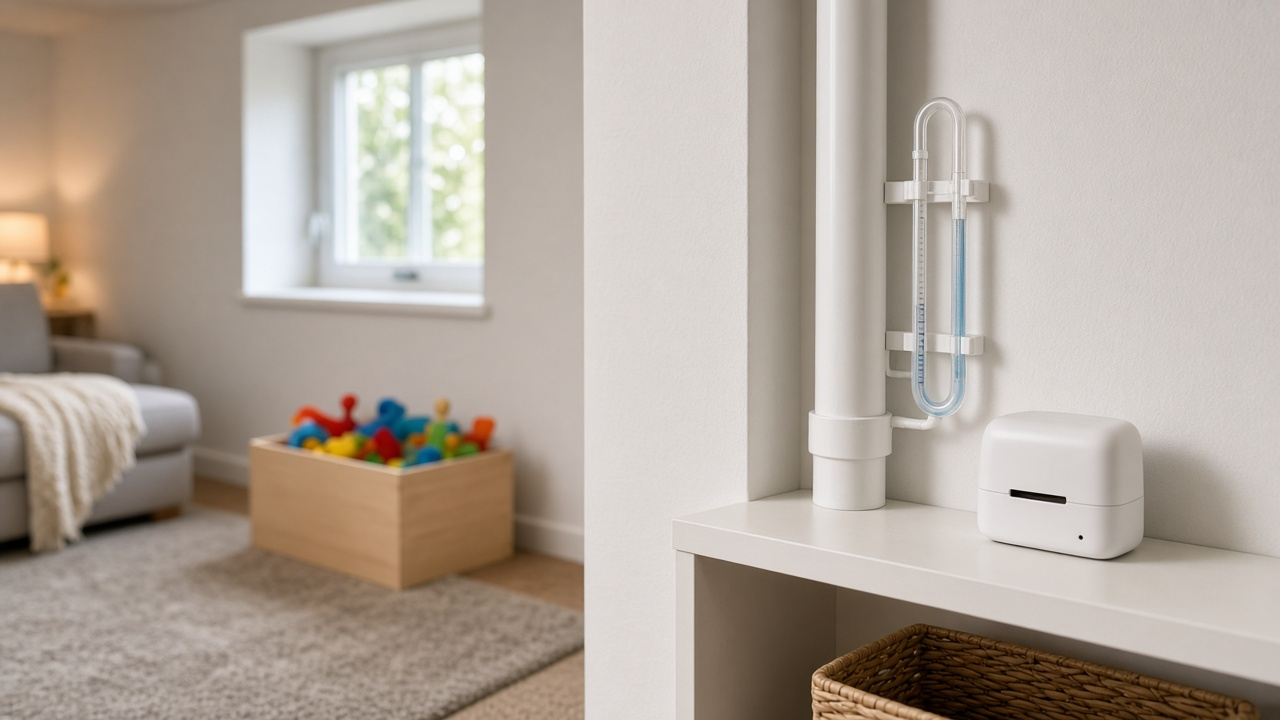
Radon is an invisible gas that can build up in homes, and the only way to know your level is to test. The trouble is that many first tests are set up wrong, results are hard to interpret, and mitigation quotes vary in ways that are hard to compare. The Home Radon Test and Mitigation Planner: Short Term vs Long Term Test Choice, Closed House Conditions, Test Placement, Follow Up Test Math Against the 4 pCi/L Action Level, Sub Slab Depressurization Quotes, and Post Mitigation Retest prompt walks you from choosing a test to reading the result, deciding on a follow up, comparing quotes for a mitigation system, and retesting after the fan is running.
What the prompt produces
- A test choice between short term and long term testing, based on whether you live there, are buying, or are selling.
- Setup instructions for closed house conditions and device placement.
- A plain reading of your result against the EPA action level of 4 pCi/L and the 2 to 4 pCi/L range where fixing is worth considering.
- Follow up logic for confirming a high result before spending money.
- A mitigation primer for your foundation type.
- A quote comparison table that lines up certification, suction points, fan location, exhaust, manometer, warranty, and price.
- A retest plan after mitigation and every two years.
- A buyer or seller note if the home is part of a sale.
How to fill the inputs
HomeFacts describes the foundation, the lowest lived in level, whether the basement is finished, sump pits, and the home's age. Mixed foundations often need more than one suction point.
Situation says whether you own the home, are buying with an inspection deadline, or are selling.
TestResults includes device type, dates, location in the house, and the result. Where the device sat matters as much as the number.
MitigationQuotes lists each contractor's certification, system type, fan location, pipe route, warranty, and price.
Household notes smokers, children, and bedrooms or play areas in the basement.
Reading the example output
The example is a split level home with a finished family room in the basement and a sump pit in the laundry room. The first kit read 6.8 pCi/L, but it sat right next to the sump.
- The first test is taken seriously but reviewed. A device beside a sump in a room nobody lives in is not a good placement.
- The retest moves to the family room, at the right height and away from drafts and outside walls.
- The decision rule is clear: fix at 4 or above, consider fixing between 2 and 4, retest in two years below 2.
- The quote table favors the certified contractor with the fan outside living space and the exhaust above the roof.
- The cheaper quote is flagged because its fan sits inside the house and its exhaust vents near the patio.
- The retest timing follows guidance: at least 24 hours after the fan starts and within 30 days.
Tips for better results
- Keep windows and outside doors closed for 12 hours before and during a short term test.
- Place the device in the lowest level you actually use, not a storage room or beside a sump.
- Write start and end times on the kit and mail it the same day.
- Ask every mitigator whether a post mitigation test is included.
- Check the manometer on your system once a month.
Mistakes to avoid
- Do not decide on mitigation from one badly placed test.
- Do not accept a system that vents near windows, doors, or patios.
- Do not treat sealing cracks alone as a fix.
- Do not skip retesting after finishing a basement or other major work.
Who it is for
Homeowners, home buyers with an inspection window, sellers preparing a home for sale, landlords, and parents with kids who play or sleep in a basement. The prompt explains testing and mitigation in practical terms and leaves health questions to your doctor.
Related PromptDig links
Open the Home Radon Test and Mitigation Planner: Short Term vs Long Term Test Choice, Closed House Conditions, Test Placement, Follow Up Test Math Against the 4 pCi/L Action Level, Sub Slab Depressurization Quotes, and Post Mitigation Retest prompt and paste your home facts and results to get your test and quote plan. For more home and lifestyle prompts, Browse more prompts. If you have a home maintenance checklist that works, Share a prompt.