How to Use Figma Component Variant Map from File Inventory (No Invented Usage Counts)
Use the PromptDig Figma Component Variant Map from File Inventory (No Invented Usage Counts) prompt to turn a pasted Figma inventory into an honest map or checklist without invented metrics.
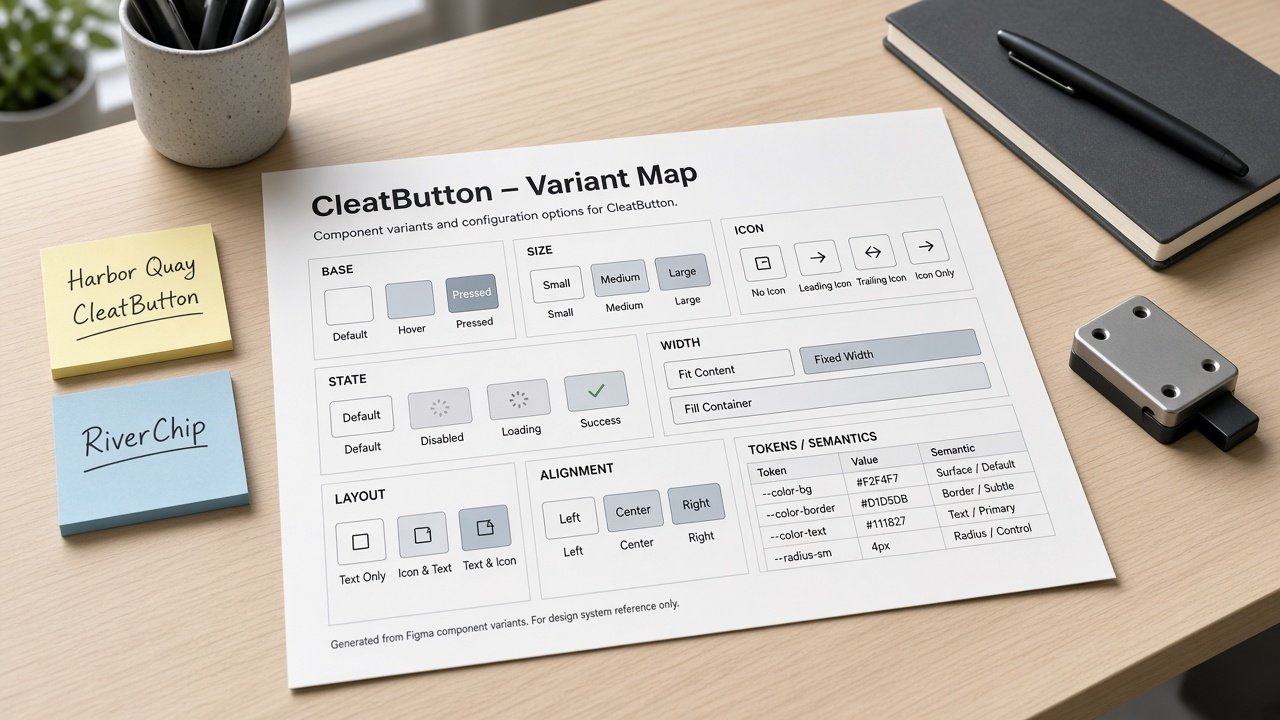
You already keep a messy Figma inventory: folders, stubs, labels, and half-named modules. The PromptDig prompt Figma Component Variant Map from File Inventory (No Invented Usage Counts) turns that paste into a structured map or checklist without inventing metrics your inventory never contained.
What this prompt is for
Paste the inventory you actually have. The model writes a ledger, a row-per-stub map or checklist, a version lock, a refuse list, and a compliance pass. Missing fields stay NOT IN INPUTS. That honesty is the point: you get a usable handoff for teammates without fake word counts, state serials, MQL rates, score distributions, close rates, render times, completion rates, citation counts, or usage counts.
How to fill the Inputs
- Lock Inventory with the concrete nouns you can see in Figma today.
- Name Version so the model refuses features newer than what you run.
- Fill the domain fields (scenes, variables, stages, banks, node groups, filters, collections, components) only when they exist.
- Put Banned and Never terms in plain language so the compliance pass can quote and cut them.
- Set Format and Lang so the output shape matches how your team documents work.
Step-by-step run
Open Figma Component Variant Map from File Inventory (No Invented Usage Counts) on PromptDig. Copy the prompt into ChatGPT, Claude, or Gemini. Replace every bracket. Run once. Read the honesty ledger first. If a row says NOT IN INPUTS, go back to Figma and paste the missing stub rather than asking the model to invent it. Re-run only after the inventory improves.
What good output looks like
A solid run lists every inventory stub in a table or checklist, keeps UNKNOWN fields explicit, prints the version lock, and ends with a five-item gaps list. It will not invent live sync results, credentials, or vanity metrics. Treat that refuse list as a feature, not a failure.
Common mistakes to avoid
- Pasting a vague summary instead of concrete inventory nouns.
- Asking for rates, counts, or serials that were never in Inputs.
- Skipping Version, then blaming the model for using features you do not have.
- Treating the output as a live Figma sync instead of a documentation map.
Where to go next
Browse more prompts on the PromptDig Browse more prompts page when you need adjacent workflows in the same category. If you built a stronger variant for your team, Share a prompt so others can reuse the structure with their own Inputs. Keep linking back to Figma Component Variant Map from File Inventory (No Invented Usage Counts) when you document the run for teammates.
Keep every claim tied to Inputs you paste. If a field is blank, write NOT IN INPUTS rather than guessing. Version locks in the prompt matter: do not reach for features newer than the version you named. When Banned or Never terms appear, quote the hit and remove it before you ship the checklist or map. The honesty ledger is there so teammates can audit what came from the inventory versus what stayed UNKNOWN.
Inventory hygiene tips
Keep a living paste file next to your Figma project so the next run starts from the same nouns. When a teammate adds a folder, scene, stage, or component, append it to Inventory before the next model pass. If Banned words creep into draft copy, fix the source inventory language rather than asking the model to paper over them. Store the gaps list beside the map so the next paste session has a clear shopping list. Revisit Version whenever you upgrade Figma so the refuse list stays accurate.